 Tampa Window
 New Tampa's neighborhoods are younger than most of the city — built up mostly from the 1990s through today, with a mix of stucco single-family homes, townhomes, and larger custom builds spread across master-planned communities. That newer construction gives homeowners here an advantage over older parts of Hillsborough County, but it doesn't make windows immune to what the Tampa climate does to them. Hurricane-force wind events, year-round UV exposure, wind-driven rain, and the salt air that reaches well inland from Tampa Bay all put a steady, cumulative strain on window systems, regardless of how new the house is.
What New Tampa's Climate Does to Windows
Windows in this part of Florida work harder than they would almost anywhere else in the country. A few forces are constantly acting on them:
- UV exposure — Tampa gets strong sun nearly year-round, which breaks down vinyl frames, dries out and cracks glazing seals, and fades interior finishes near windows faster than in cooler climates.
- Wind-driven rain — Summer thunderstorms and tropical systems don't just drop rain straight down; wind pushes it sideways into frames and seams, which is where most water intrusion problems start.
- Hurricane and tropical-storm wind loads — Even homes outside the immediate coastline take on real wind pressure during named storms, and older or under-rated windows can flex, leak, or fail under that load.
- Salt air — New Tampa sits inland from the bay, but salt-laden air still travels with onshore winds and accelerates corrosion on hardware, screens, and metal components over time.
None of these forces do damage overnight. They work slowly, which is why window problems in this area tend to show up as a string of small annoyances — a sticky sash, a draft, a foggy pane — before they become a real failure.
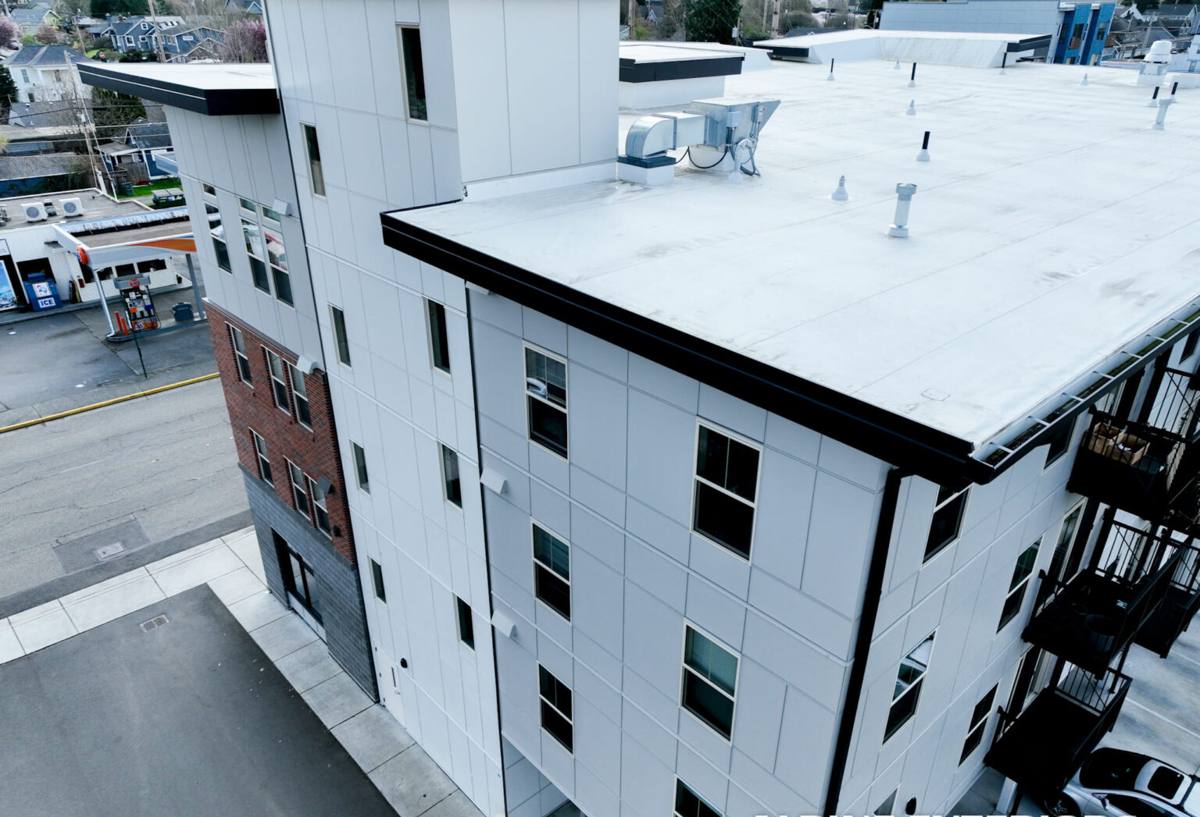
New Tampa Homes: Construction Age and Common Issues
Because so much of New Tampa was built during a relatively narrow window of decades, we see patterns repeat from house to house. Builder-grade aluminum and early-generation vinyl windows installed during the initial construction boom are now old enough that their seals, balances, and weatherstripping are wearing out. Homes built more recently generally started with better glass packages and impact considerations, but "recently" doesn't mean maintenance-free — even a well-installed window from ten or fifteen years ago is due for an inspection.
Many New Tampa communities also carry HOA architectural guidelines that govern window appearance, color, and sometimes even manufacturer approval. That's a detail worth sorting out before you start shopping, not after you've picked a product — we're used to working within those requirements and can help you figure out what's likely to get approved.
Common problems we see on service calls in this area
- Failed insulated glass units (fogging or moisture between the panes)
- Hardened, cracked, or missing weatherstripping letting in drafts and noise
- Stucco cracking around window frames where the house has settled or the original sealant has failed
- Aluminum frames pitted or corroded from long-term salt air exposure
- Windows that were never impact-rated, now out of step with current wind-load expectations
Signs It's Time to Replace, Not Repair
Not every window issue means a full replacement. A single failed seal or a sticky lock is often a repair. But there's a point where repair stops making financial sense, and recognizing that point saves homeowners money in the long run.
| Situation | Usually a Repair | Usually a Replacement |
|---|---|---|
| Foggy glass on one window | Yes — reseal or reglaze | No, unless the frame is also failing |
| Difficulty opening/closing | Often — hardware or balance fix | If the frame has warped |
| Multiple windows leaking air or water | Rarely fixes the root cause | Yes — points to systemic seal/frame failure |
| Pre-impact-rated windows in a storm-exposed area | No | Yes, for wind protection and code alignment |
| Visible frame corrosion or rot | No | Yes |
We'll always tell you honestly which category your windows fall into. There's no benefit to us in replacing something that only needs a repair, and no benefit to you in repeatedly repairing something that's past its useful life.
Impact-Rated Windows: What We Recommend and Why
For a storm-exposed area like Hillsborough County, impact-rated windows are worth serious consideration even where they aren't strictly required by code for your specific structure. They're built with laminated glass that stays intact under impact — meaning a broken pane doesn't turn into an open hole in your wall during a wind event — and they typically come with stronger frames and reinforced anchoring to handle higher wind pressure.
The trade-off is upfront cost: impact glass costs more than standard insulated glass, and heavier sashes require sturdier frames and hardware. For homeowners not ready for full impact glass, a combination of code-compliant standard windows plus separate hurricane protection (shutters or panels) is a legitimate, lower-cost path — we'll walk through both options honestly rather than pushing the more expensive one by default.
Frame and Glass Choices for This Climate
Frame material matters as much as glass in a climate like Tampa's:
- Vinyl — low maintenance, good insulation value, and reasonably priced, but quality varies a lot between manufacturers; UV-stable formulations hold up far better here than budget-grade vinyl, which can warp and yellow.
- Aluminum — strong and slim-profile, historically common in Florida, but conducts heat and is more prone to corrosion near the coast unless properly coated and maintained.
- Fiberglass — more expensive, but dimensionally stable and highly resistant to UV and moisture damage, which makes it a strong long-term option for this climate.
On glass, a Low-E coated, insulated (double-pane) unit is the baseline we recommend for any Tampa-area home — it cuts down on solar heat gain, which matters for cooling bills given how much direct sun the region gets. Impact-rated laminated glass builds on that same foundation with an added interlayer for wind-borne debris resistance.
Our Installation Process
Window replacement is one of those jobs where the installation quality matters as much as the product itself — a good window installed poorly will leak and underperform, while a properly flashed and sealed installation gets the most out of whatever product you choose. Our process on a typical New Tampa job runs like this:
- On-site assessment of existing frames, structural condition, and any stucco or trim repair needed
- Product and glass package selection based on your budget, storm-exposure needs, and (where applicable) HOA guidelines
- Removal of old units and inspection of the rough opening for hidden water damage or rot before anything new goes in
- Proper flashing and sealing around each opening — this step is where most long-term leaks are prevented or created
- Installation, adjustment, and a final water and operation check
We don't skip the rough-opening inspection step, even when it slows the job down. Catching hidden moisture damage before it's sealed behind a new window is far cheaper than dealing with it later.
How Windows Fit Into the Bigger Exterior Picture
Windows don't function in isolation — they're one part of a home's exterior envelope, working alongside the roof, siding, and other penetrations to keep water and wind out. We handle siding, roofing, windows, and decks, and there's a practical reason for that overlap: a window leak is sometimes actually a stucco or siding problem showing up at the frame, and a roofline issue can send water down behind a wall to a window opening that looks fine on the surface. Having one crew that understands how all of those systems interact means problems get diagnosed correctly the first time, instead of being patched at the symptom while the actual cause keeps working.
If you're already planning a re-roof or siding project, it's worth timing window work alongside it — coordinating trim, flashing, and finish work together avoids redundant labor and gives you a more consistent result.
Why a Local Crew Matters
Anyone can sell you a window. Installing it correctly for Tampa's specific conditions — the humidity, the wind-load expectations, the way stucco and frame systems interact here, and the permitting and HOA processes common to New Tampa communities — takes local, hands-on familiarity. A crew that works Hillsborough County regularly knows what tends to fail first in this area, what inspectors look for, and how to install so the work holds up through actual hurricane seasons, not just a showroom demo.
We also stand behind the work after installation. If something isn't sealing right or a hardware piece is defective, you're calling a local company you can actually reach, not a national call center.
Keeping Your Windows in Shape Between Storm Seasons
A little regular maintenance goes a long way toward getting the full lifespan out of your windows in this climate:
- Rinse frames and tracks periodically to clear salt residue and grit, especially after storms
- Inspect and re-caulk exterior sealant joints every couple of years, or sooner if you see gaps
- Lubricate hardware (locks, hinges, balances) to prevent corrosion-related sticking
- Check weatherstripping annually for hardening or cracking
- Before hurricane season, confirm locks fully engage and any shutter or panel systems still fit correctly
- Watch for fogging between panes — it means the seal has failed and won't self-correct
If your New Tampa home has windows showing their age, letting in drafts, or you're simply planning ahead of the next storm season, we're glad to take a look. We offer free, no-pressure estimates — walk us through your concerns and we'll give you a straight assessment of what needs attention now versus what can wait. You can request one using the form below.