 Tampa Window
 Windows in Town 'n' Country Face a Tough Climate
Town 'n' Country sits in Hillsborough County just west of Tampa, close enough to Tampa Bay and the Gulf that homes here deal with a mix of coastal and inland stress on their exterior. Windows are one of the first things to show it. Between the intense year-round UV, the wind-driven rain that comes through during summer storms, the salt-tinged air moving in off the water, and the occasional hurricane-force wind event, window frames, seals, and glazing take a beating that homes further inland simply don't experience to the same degree.
Most of the neighborhood was built across a range of decades, which means the housing stock includes everything from older single-pane aluminum-frame windows original to the home, to newer vinyl or impact-rated units installed during a prior renovation. Whatever generation of window a house has, the climate here doesn't discriminate — it works on all of them the same way, just at different speeds depending on age, material, and how well they were installed the first time.
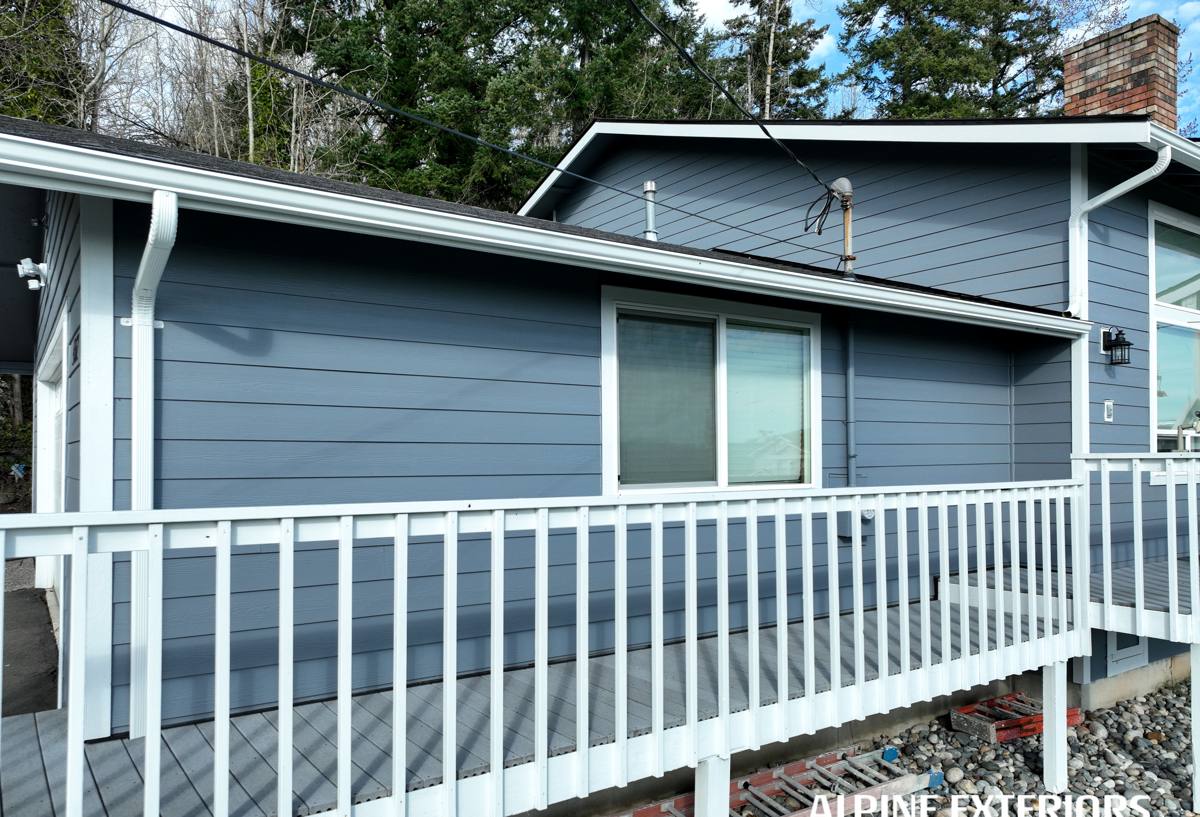
How Tampa Bay Weather Wears Down Windows
UV and Heat
Florida sun is relentless on window components. UV breaks down seal materials, weatherstripping, and vinyl over time, making frames brittle and prone to warping. Heat buildup between panes can also accelerate seal failure in older double-pane units, which is part of why you'll see fogging or condensation trapped between the glass layers on aging windows.
Wind-Driven Rain
It's rarely rain falling straight down that causes problems — it's rain being pushed sideways into a wall by wind. Once seals, caulking, or flashing around a window frame degrade, wind-driven rain finds those gaps and pushes moisture into the wall cavity. That's how a small, unnoticed leak around a window frame turns into hidden water damage, mold, or rot behind drywall and trim.
Salt Air
Proximity to Tampa Bay means the air here carries more salt than it would well inland. Salt is corrosive to metal hardware — hinges, locks, balance mechanisms, and aluminum framing components all corrode faster in this environment than they would in a drier, saltier-air-free climate. Corroded hardware is a common reason a window that looks fine still won't open, close, or lock properly.
Wind Load
Hurricane season puts direct pressure — literally — on every window in the house. Wind load stresses frames, glass, and the anchoring that ties the window to the wall structure. A window that's been through several storm seasons without issue can still have weakened anchoring or a compromised seal that only becomes obvious the next time it's tested by a serious wind event.
Signs It's Time for Repair or Replacement
Some window problems are obvious. Others show up gradually and get written off as normal aging until they become a real issue. Watch for:
- Fogging or a milky haze between panes of double-pane glass (a sign the seal has failed)
- Windows that are difficult to open, close, or lock, or that no longer sit flush in the frame
- Visible gaps, cracked caulking, or soft/discolored trim around the window frame
- Noticeable drafts or a spike in cooling costs that isn't explained by anything else
- Frame material that's chalky, pitted, or corroded, especially on older aluminum windows
- Outside noise coming through more than it used to
- Visible water staining on interior walls or sills below or around the window
Any one of these on its own might just need a repair. Several of them together, especially on a window over 15-20 years old, usually means replacement is the more sensible long-term move.
Repair or Replace? What Actually Drives the Decision
We don't default to replacement just because it's the bigger job. A lot of window issues — failed hardware, a cracked pane, deteriorated weatherstripping, a leak around otherwise sound framing — are legitimate repairs. Replacement makes sense when the frame itself is compromised, the glass seal has failed, or the window is old enough that repair costs start approaching what a new, better-performing unit would cost.
| Factor | Repair Usually Makes Sense | Replacement Usually Makes Sense |
|---|---|---|
| Frame condition | Solid, no rot or corrosion | Warped, rotted, or corroded |
| Glass seal | Intact, clear view | Fogged or failed between panes |
| Age | Under 15 years | 15-20+ years, especially single-pane |
| Storm performance | Held up fine in prior storms | No impact rating, or damage after wind events |
| Energy costs | No noticeable change | Rising cooling costs tied to drafts |
| Operation | Sticky but functional | Won't open, close, or lock properly |
We'll give you a straight answer on which category your windows fall into rather than pushing replacement when a repair will hold up fine.
Impact-Rated Windows for Hillsborough County Homes
Florida's building code sets wind-load and impact-resistance requirements that vary by county and by how close a property sits to open water, and Hillsborough County has its own specific standards homeowners in Town 'n' Country need to meet for permitted window replacement work. Impact-rated windows use laminated glass, similar in principle to a car windshield, so the glass stays intact even if it's struck by wind-borne debris during a storm. That keeps the building envelope sealed, which matters — a single broken window during a hurricane can lead to a dangerous pressure change inside the home and significant interior damage.
Impact windows also carry real day-to-day benefits beyond storm protection: they cut down on outside noise, block a meaningful amount of UV, and generally perform better for energy efficiency than older single-pane units. They cost more upfront than standard windows, but for a lot of homeowners here they replace the need for separate storm shutters or panels, which is worth factoring into the comparison.
Choosing a Frame Material
Frame material affects how a window holds up to heat, humidity, and salt air over the years — and this is where a lot of long-term maintenance headaches either get built in or avoided.
| Material | Strengths | Trade-Offs |
|---|---|---|
| Vinyl | Won't rust or corrode, low maintenance, good insulator | Can expand/contract with heat over time; quality varies by manufacturer |
| Aluminum | Strong, slim sightlines, holds up structurally | Conducts heat, prone to salt-air corrosion without proper coating |
| Fiberglass | Very stable in heat, low maintenance, long lifespan | Higher upfront cost |
We'll walk through what each option means for your specific home rather than steering everyone toward the same product. The right call depends on your budget, how long you plan to stay in the home, and how much maintenance you want to deal with down the road.
What Our Installation Process Looks Like
Poor installation is behind more window problems than people realize — a good window installed carelessly will leak and underperform, while a properly installed window earns its warranty. Our process on every job includes:
- An on-site assessment of existing frames, sills, and any signs of water intrusion or structural issues before we quote anything
- Accurate measurement and product selection matched to the home and the applicable Hillsborough County code requirements
- Proper removal of old units without damaging surrounding stucco, siding, or trim
- Correct flashing and sealing around the new frame — this is the step that actually keeps wind-driven rain out
- A final walkthrough so you know how the new windows operate and what maintenance they need
We pull permits and handle inspections where required, since window replacement in this area is code-regulated work, not a DIY-adjacent project.
Why It Matters to Hire a Local Crew
A contractor working across Tampa Bay day in and day out has a working knowledge of how Town 'n' Country homes are built and what specifically fails on them — the difference between a home with original 1970s or 80s aluminum windows and one that's already had a round of vinyl replacements, for instance, and what each of those setups needs going into a new install. That local, repeat exposure to this exact housing stock and this exact climate is worth more than a generic install crew that doesn't work this market regularly.
It also matters for accountability. A local company is reachable after the job is done — for warranty work, for a follow-up question, for anything that comes up once you've lived with the new windows through a full season of Tampa heat and a storm season or two.
We Handle the Whole Exterior, Not Just Windows
Windows rarely fail in isolation. The same UV, wind, and wind-driven rain that wear down window seals and frames are working on your roof, siding, and any exterior decking at the same time. We do siding, roofing, and deck work in addition to windows, which means if a window replacement turns up an issue with the surrounding siding or trim, or if a roof leak is contributing to what looks like a window problem, we can address it directly instead of sending you to find a separate contractor.
Maintaining Your Windows Between Services
A little regular upkeep goes a long way toward getting the full lifespan out of whatever windows are on your home now.
- Rinse frames and tracks periodically to clear salt residue and grit that accelerates wear
- Inspect caulking and weatherstripping once or twice a year and address cracking early
- Lubricate hardware — locks, hinges, balances — to keep corrosion from setting in
- Check for soft spots in surrounding trim or sills after heavy storms
- Don't ignore fogging between panes; it won't resolve on its own and tends to worsen
If you're noticing any of these issues, or you're simply not sure whether your current windows are due for repair or replacement, we're happy to take a look. We offer free, no-pressure estimates for Town 'n' Country homeowners — no obligation, just an honest assessment of where your windows actually stand.