 Tampa Window
 New-Construction Windows for New Tampa Homes
New Tampa has been one of the busiest growth corridors in Hillsborough County for years, with new subdivisions, infill lots, and custom builds going up alongside established neighborhoods off Bruce B. Downs and County Line Road. Whether you're a homeowner building a custom house, working with a builder on a spec home, or adding a room that needs new window openings from scratch, the windows you choose and how they're installed will decide how that house performs for the next 20-plus years. New-construction window work is different from a retrofit or replacement job — the windows go into a bare rough opening before the exterior finish is closed up, which means there's no room for shortcuts on flashing, fastening, or sealing. Get it right at this stage and you avoid leaks, warranty headaches, and comfort complaints for the life of the house.
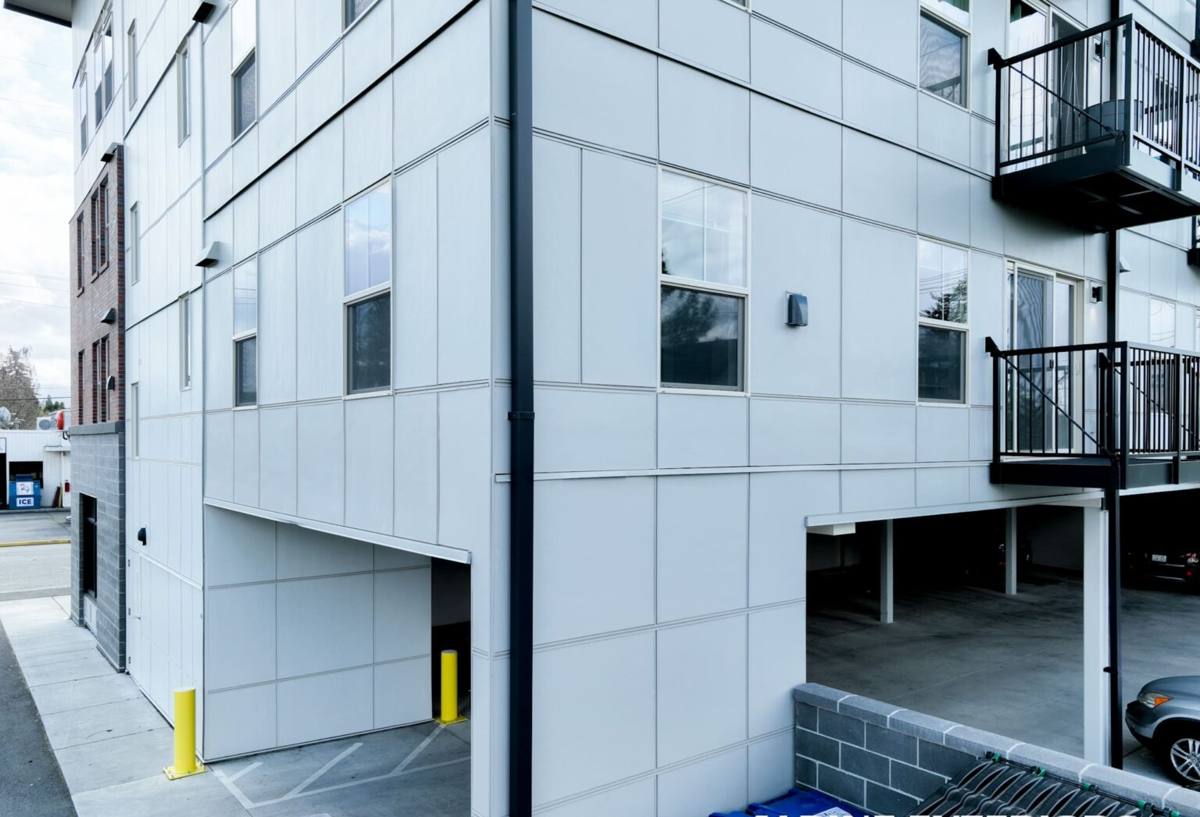
What New Tampa's Climate Demands From New Windows
New Tampa sits inland from the bay but is still fully inside Hillsborough County's wind-borne debris region, which means new construction here has to meet the same hurricane-resistance standards as anywhere else in the Tampa Bay building code jurisdiction. A handful of local realities should shape every window decision on a new build:
- Hurricane-force wind pressure — new openings must be engineered and installed to resist both positive pressure (wind pushing in) and negative pressure (wind pulling the frame outward), not just carry an impact rating on paper.
- Wind-driven rain — Florida storms don't just fall, they blow sideways under eaves and into wall assemblies. New-construction flashing has to shed water outward at every layer, not just at the window itself.
- Intense year-round UV — long, high-sun exposure degrades cheap vinyl, weakens seals, and fades interior finishes faster than in most of the country. Frame material and glass coating matter from day one.
- Heat load and humidity — new homes in this area lean hard on HVAC to manage heat and moisture; window selection has a direct, measurable effect on utility bills and on how hard the AC has to work.
None of this is exotic — it's just what building correctly in this part of Florida requires. The problem is that a lot of new-construction window trouble doesn't show up until the first big summer storm season, by which point it's a warranty fight instead of a five-minute fix during framing.
What a Correct New-Construction Window Install Actually Involves
It starts before the window ever arrives
On a true new-construction job, the window opening is framed to spec, but "framed" doesn't mean "ready." We check rough opening sizing against the actual window unit (not just the plans), verify the opening is square and plumb, and confirm the sill is built to slope slightly outward so bulk water has somewhere to go. Skipping this step is one of the most common causes of leaks that show up years later.
Flashing is the part nobody sees — and the part that matters most
A window's ability to keep water out depends far more on how the opening is flashed than on the window itself. Correct sequencing means:
- Sill pan flashing installed first, lapped to drain outward over the water-resistive barrier, not behind it.
- Side flashing tucked over the sill pan and under the head flashing, following proper shingle-lap order so water always moves downward and outward, never into the wall cavity.
- Head flashing integrated with the housewrap or building paper above the opening.
- All flashing tape and sealants compatible with both the window frame material and the wall's water-resistive barrier — mismatched chemistries are a real cause of adhesion failure in Florida heat.
Fastening and shimming to the manufacturer's structural spec
Impact and non-impact windows both have engineered fastening schedules — specific fastener types, spacing, and shimming requirements tied to the wind load the unit is rated for. Installing to "looks solid" instead of to spec is exactly the kind of shortcut that fails a wind event or an inspection. We follow the manufacturer's approved fastening schedule for the specific product and opening size, every time.
Sealing without trapping moisture
The interior and exterior sealant joints both matter, but they're not interchangeable. Exterior sealant sheds bulk water; interior air sealing controls condensation and drafts. Using the wrong sealant in the wrong location — or over-sealing an opening so it can't dry if moisture ever does get in — creates the kind of hidden rot that's expensive to find later.
Choosing the Right Window for a New Tampa Build
New construction gives you a real choice most retrofit jobs don't: you can pick the frame material, glass package, and impact rating that fit the house, rather than working around an existing opening. The main trade-offs on the table for most New Tampa builds:
| Factor | What to weigh |
|---|---|
| Impact vs. non-impact + shutters | Impact glass costs more up front but removes the need to install and store shutters before every storm; non-impact with shutters is cheaper initially but adds ongoing labor and a step that's easy to miss under time pressure. |
| Frame material | Vinyl is cost-effective and low-maintenance but quality varies widely; fiberglass and quality vinyl-composite hold up better under sustained UV and heat cycling than budget-grade vinyl. |
| Glass coating (Low-E) | Low-E coatings reduce solar heat gain significantly in a market where cooling is the dominant energy cost; the right coating package should be matched to window orientation on the house. |
| Design pressure (DP) rating | Every opening on a new build has an engineered DP requirement based on wall height, wind zone, and exposure category — this isn't optional or a marketing number, it's a code requirement tied to the specific house. |
| Warranty structure | Manufacturer warranties typically cover the unit; installation warranties (ours) cover the flashing and sealing work — you want both, because most real-world failures are installation-related, not product-related. |
We won't push a product line just because it's cheaper to install. If a window's structural rating, installation tolerances, or long-term moisture behavior don't hold up to what this climate demands, we'll say so and explain why — that's a professional judgment call, not a knock on any one brand.
Our Process on New Tampa New-Construction Projects
Whether we're working directly with a homeowner building custom or coordinating with a general contractor and builder, the sequence looks like this:
- Plan review and takeoff — we review the architectural plans, confirm window schedule, sizes, and DP ratings against Hillsborough County code requirements before ordering anything.
- Rough opening verification — on site, before install day, we confirm every opening matches spec and is framed correctly.
- Flashing and installation — sill pan, side flashing, unit set, fastening to manufacturer schedule, head flashing tie-in.
- Interior and exterior sealing — proper sealant selection for each joint, inside and out.
- Documentation — photos and records of flashing and fastening at each opening, which matters for both code inspections and future warranty claims.
- Final walkthrough — operation check on every unit, sightline and reveal check for the finish trades coming in behind us.
That documentation step is one homeowners and builders often don't ask for but should. If a flashing detail is ever questioned years down the road — during a resale inspection, for instance — having a record of exactly how each opening was built is worth far more than a verbal assurance.
Why Local Experience in New Tampa Specifically Matters
New-construction window installation isn't generic work you can plug in from any market. A crew that regularly works New Tampa and the broader Tampa Bay area already knows the local building department's inspection expectations, has relationships with the area's builders and framers, and has seen firsthand how a given product line holds up after a full Florida hurricane season — not just what the spec sheet claims. That local track record shortens the learning curve on every job and reduces the chance of a mismatched flashing detail or a fastening error that only surfaces after the drywall is up.
It also means faster response if something does need attention during the builder's warranty period. A contractor with an established local presence isn't juggling a multi-week drive-in schedule to get back out to a New Tampa job site.
Practical Checklist Before You Sign Off on New-Construction Windows
- Confirm the DP (design pressure) rating on the proposal matches the engineered requirement for your specific wall heights and exposure category — not a generic "hurricane rated" claim.
- Ask whether sill pan flashing is included as standard practice, not an upcharge.
- Get the manufacturer's fastening schedule referenced in your contract or scope, not just "installed per manufacturer instructions" as a vague line.
- Clarify what's covered by the manufacturer's product warranty versus the installer's workmanship warranty.
- Ask for installation photo documentation of flashing at each opening before insulation and drywall go in.
- Confirm impact rating and Low-E glass package are matched to each window's compass orientation on the house, not a single spec applied everywhere.
Timing It With Your Build Schedule
New-construction windows need to arrive and get installed at a specific point in the framing sequence — too early and openings may shift or get damaged by other trades; too late and it delays the dry-in of the house, which matters a lot given how quickly Tampa's afternoon storms can roll in during summer months. We coordinate directly with your builder or general contractor's schedule so window delivery and install line up with when the opening is actually ready, and so the house gets weathertight as fast as the schedule allows.
If you're building or expanding a home in New Tampa and want windows installed the way this climate actually requires — not just to a minimum checkbox — we're happy to walk the plans with you and put together a straightforward, no-pressure estimate. Use the form below to get started.