 Tampa Window
 Window Replacement Built for New Tampa's Climate
New Tampa sits inland from the bay but still takes the full brunt of a Central Florida summer: long stretches of high humidity, intense UV exposure nearly year-round, and the kind of afternoon storms that can turn into wind-driven rain in minutes. Add in the real possibility of hurricane-force winds during the June-to-November season, and it's clear that windows here are doing more work than windows in most parts of the country. A window that isn't matched to this environment doesn't just look tired faster — it lets in heat, lets out cooled air, and in a bad storm, it can become the weak point in the whole house.
Window Replacement done right in New Tampa isn't a one-size-fits-all job. It means picking glass and frame combinations that hold up to UV without yellowing or warping, seals that stay tight through humidity swings, and installation details that keep water out during wind-driven rain — not just on a calm, dry day.
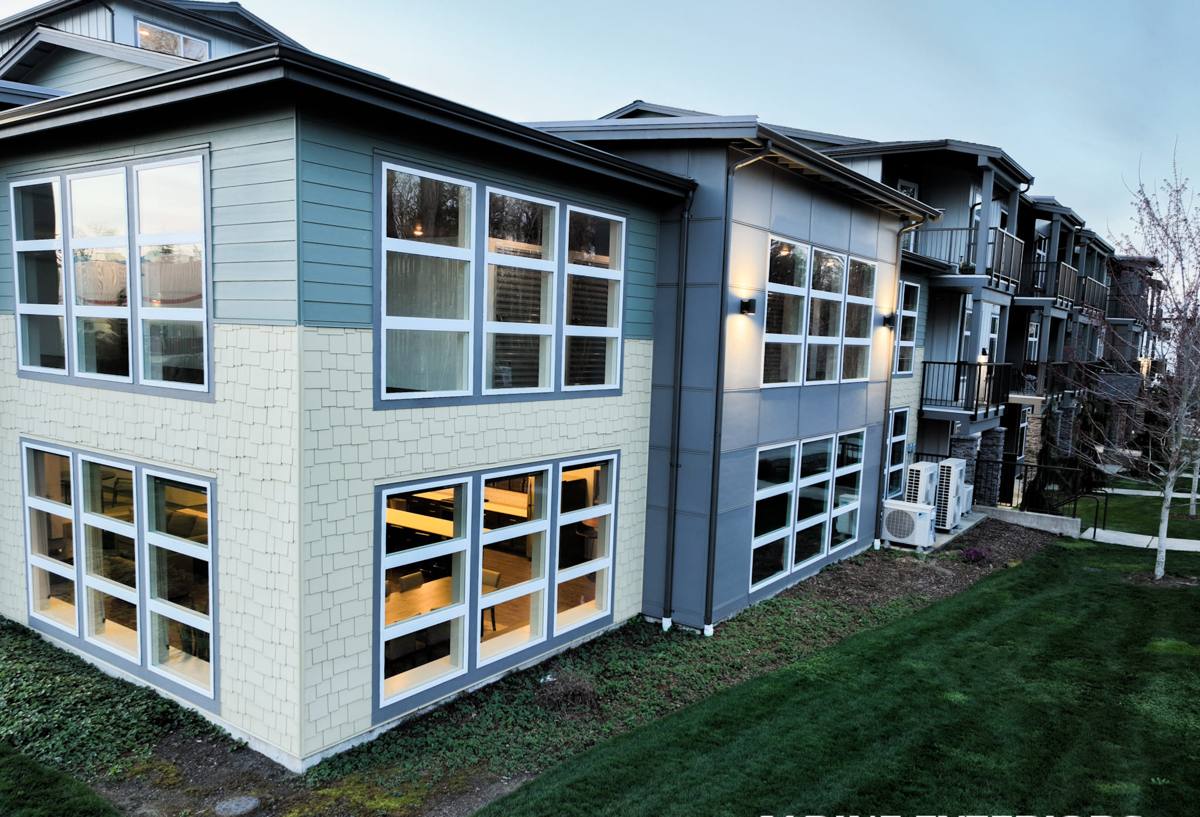
What New Tampa Homes Actually Need From Their Windows
Heat and UV Load
Hillsborough County gets sun exposure that most window products were never designed around decades ago. Older single-pane or early double-pane windows let a huge amount of solar heat straight into the living space, which means your air conditioning is working overtime for most of the year. Modern low-E glass coatings block a meaningful share of that solar heat gain while still letting in visible light — so rooms stay bright without turning into a greenhouse.
Humidity and Condensation
Florida humidity doesn't let up much, and it puts real stress on window seals, frame materials, and hardware. Weak seals let humid air migrate into the space between panes, which shows up as fogging or condensation that won't wipe away — a sign the insulated glass unit has failed. Frame materials that don't handle moisture well can also swell, warp, or degrade over a few humid seasons.
Wind-Driven Rain and Storm Pressure
New Tampa isn't a coastal barrier-island neighborhood, but it's still well within reach of tropical systems and the strong straight-line winds that come with Florida's summer storm pattern. Wind-driven rain finds any gap in flashing, sealant, or frame fit, and it doesn't take a named storm to cause damage — a bad thunderstorm with sideways rain can expose a poor installation just as easily. Windows rated for the wind loads this area sees, installed with proper flashing and sealing, are what actually keep water out.
Salt Air Influence
Tampa's proximity to the bay and Gulf means salt-laden air travels further inland than people expect. It's not as aggressive as a beachfront property, but it still accelerates corrosion on hardware, screens, and lesser-grade metal components over the years. Choosing frame and hardware materials that resist that corrosion matters even for homes that aren't waterfront.
What a Correct Window Replacement Job Involves
A proper replacement is more than swapping glass in an old frame. Here's what should happen on every job:
- Accurate measurement of each opening — no two houses, or even two windows in the same house, are guaranteed to be identical, especially in older construction.
- Removal of the old unit down to the rough opening, checking for rot, moisture damage, or settling that needs to be addressed before the new window goes in.
- Proper flashing and weatherproofing around the opening, not just caulk over the gap — this is the single biggest factor in whether wind-driven rain stays out.
- Correct shimming and leveling so the window operates smoothly and seals evenly for its full lifespan.
- Insulation of the gap between the frame and the rough opening — an underinsulated gap undercuts the energy performance of even a high-end window.
- Interior and exterior trim work finished cleanly, matching the surrounding wall and siding.
- A final operation and seal check on every window before we call the job done.
Choosing the Right Glass and Frame
There isn't one "best" window for every New Tampa home — it depends on the home's exposure, age, and your priorities on cost versus performance. What we won't do is install a product where the maintenance burden or moisture behavior doesn't hold up to Florida conditions, regardless of upfront price. Below is a general comparison of the frame materials we discuss most often with homeowners in this area.
| Frame Material | Heat/UV Performance | Moisture & Humidity Behavior | Maintenance |
|---|---|---|---|
| Vinyl | Good with low-E glass; some lower-grade vinyl can soften under prolonged intense sun | Doesn't rot; quality matters for long-term stability | Low — no painting or sealing needed |
| Fiberglass | Very stable under heat and UV; minimal expansion/contraction | Excellent moisture resistance | Low; typically a higher upfront cost |
| Aluminum | Conducts heat, so it's a weaker energy performer without thermal breaks | Resists rot but hardware needs corrosion-resistant coatings near salt air | Low, but thermal performance is the trade-off |
| Wood | Good insulator but sensitive to UV fading and expansion | Requires diligent maintenance to prevent moisture damage in humid climates | High — regular painting/sealing required |
For most New Tampa homes, quality vinyl or fiberglass frames paired with impact-rated or high-performance low-E glass strike the right balance of storm resistance, energy performance, and manageable maintenance. We'll walk through the honest trade-offs for your specific home rather than pushing one product line.
Impact-Rated vs. Standard Windows: What to Weigh
Impact-rated windows use laminated glass that stays intact even when the outer pane cracks, which matters both for storm protection and for basic security. They typically also meet stricter wind-load and missile-impact testing standards, so they hold up better to the kind of wind-driven debris that Central Florida storms can produce. Standard windows, especially when paired with a separate storm protection plan (shutters, panels), can still be a reasonable and more budget-friendly choice for some homeowners. The right answer depends on your home's exposure, your storm prep plans, and your budget — we'll lay out the real cost-versus-protection picture rather than defaulting to the most expensive option.
Our Process, Start to Finish
- On-site assessment — we look at every window opening, existing frame condition, and any signs of past water intrusion or rot.
- Honest recommendation — we explain which glass and frame options fit your home and budget, and why, without upselling products you don't need.
- Written estimate — clear scope, materials, and timeline before any work begins.
- Careful removal and installation — old units removed cleanly, openings checked and repaired as needed, new units installed with proper flashing and sealing.
- Final walkthrough — every window checked for smooth operation, tight seals, and clean finish work before we consider the job complete.
Why a Local New Tampa Crew Matters
A crew that already works regularly in New Tampa and greater Hillsborough County knows the housing stock — the common construction eras, the typical rough-opening quirks, and the way this area's storms actually behave, rather than working from a generic playbook. That familiarity shows up in fewer surprises during the job: fewer change orders for unexpected framing issues, and installation details that already account for the wind-driven rain and humidity this region deals with every year. It also means someone who can respond quickly if a warranty question or adjustment comes up after the install, instead of a crew that's an hour away and booked out for weeks.
Signs It's Time to Replace, Not Repair
- Fogging or condensation between the panes that doesn't clear — the seal has failed.
- Windows that are difficult to open, close, or lock, especially after humidity swings.
- Visible frame warping, soft spots, or discoloration around the frame or sill.
- Noticeable drafts or a spike in cooling costs during peak summer months.
- Water staining on interior trim or walls near the window after storms.
- Single-pane glass or original builder-grade windows on an older home that's never been updated.
Cost Factors to Expect
Every home is different, but a few factors consistently move the price on a New Tampa window replacement project:
| Factor | Why It Matters |
|---|---|
| Number and size of openings | More or larger windows means more material and labor |
| Impact-rated vs. standard glass | Impact-rated units cost more upfront but reduce storm-prep needs |
| Frame material | Fiberglass and higher-grade vinyl cost more than basic aluminum or entry-level vinyl |
| Condition of existing openings | Rot repair or reframing adds labor beyond a standard swap |
| Custom shapes or sizes | Non-standard openings require custom-manufactured units |
We'll give you real numbers for your specific home during the estimate rather than a vague range that doesn't reflect what you're actually getting.
If your New Tampa home has windows that are fogging, drafty, hard to operate, or just original to a house that's due for an update, we're happy to take a look. Reach out for a free, no-pressure estimate using the form below — we'll walk the property, answer your questions honestly, and give you a clear picture of your options.