 Tampa Window
 Roof Replacement Built for New Tampa's Climate
New Tampa homes take a different kind of beating than a roof in a milder climate ever sees. Between hurricane-force wind events, months of intense UV exposure, sudden wind-driven downpours, and the humidity that never really lets up, a roof here is working hard every single day of the year. When it's time to replace one, the job isn't just about swatting on new shingles — it's about rebuilding a system that can actually stand up to Hillsborough County weather for the next couple of decades.
We work on roofs in this area regularly, and that matters more than it might seem. A crew that already knows the wind exposure patterns, the permitting expectations, and the way local homes are built doesn't have to guess. This page walks through what a correct roof replacement involves here, what separates a durable job from a shortcut, and what our process looks like from first call to final walkthrough.
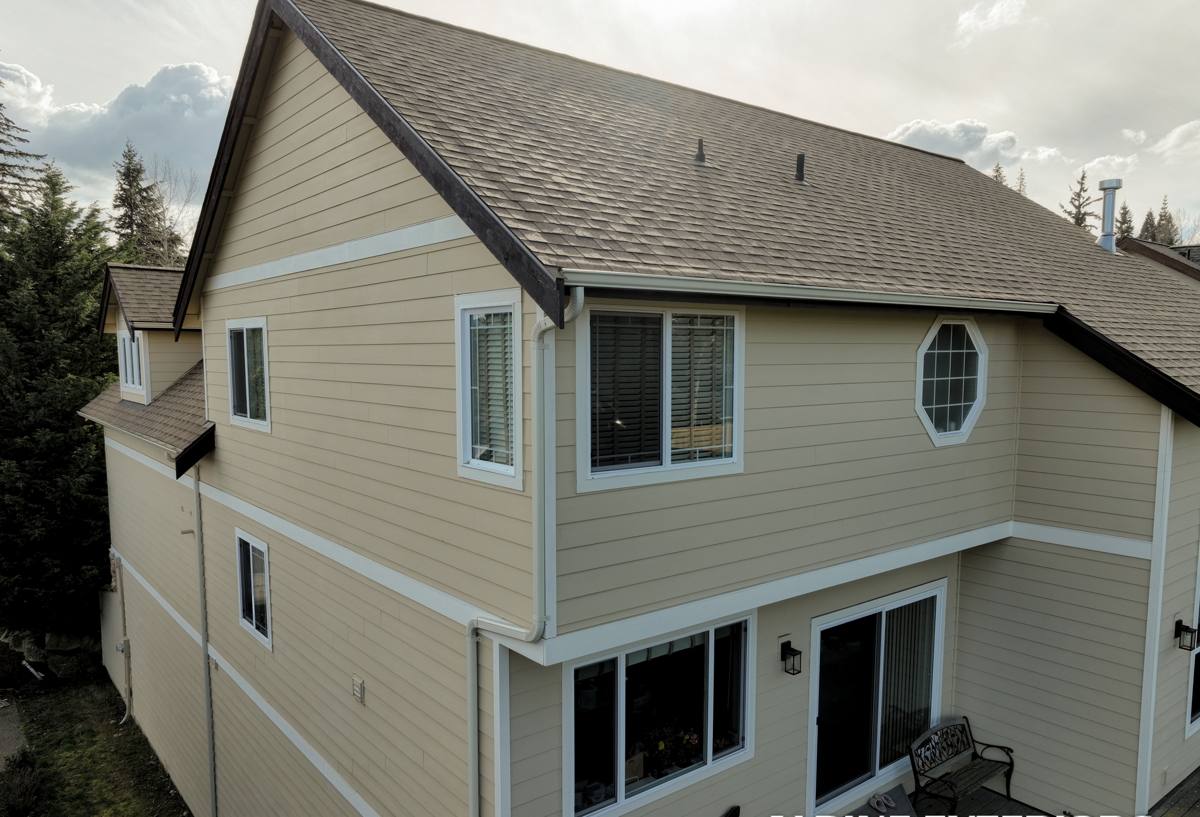
What Tampa's Climate Actually Does to a Roof
It helps to understand the specific stresses at play before talking about materials or installation, because every decision in a roof replacement traces back to one of these:
Wind
Hillsborough County sits squarely in a wind-prone zone. Roofs here need fastening patterns, underlayment, and edge details rated for uplift, not just the minimum a builder can get away with in a calmer climate. Wind doesn't just tear off shingles in dramatic storms — it also works loose fasteners and lifted edges over years of lower-grade gusts, which is often where slow leaks start.
UV Exposure
Florida sun is relentless, and it's not seasonal here the way it is up north. Roofing materials bake under strong UV essentially year-round, which accelerates the breakdown of asphalt oils in shingles, dries out sealants, and fades or chalks lower-grade products faster than their warranty paperwork suggests.
Wind-Driven Rain
Rain that falls straight down is easy for a roof to shed. Rain that's being pushed sideways by wind is a different problem — it finds its way under shingle tabs, around vents, and into any gap in flashing that a calmer climate would never expose. This is why underlayment quality and flashing detail work matter more here than in most parts of the country.
Salt Air
Being close to the Gulf and Tampa Bay means salt-laden air reaches further inland than people expect. Salt accelerates corrosion on exposed metal — fasteners, flashing, vents, and drip edge — which is a big reason we're particular about the metal components we use and how they're protected.
Signs a Roof Has Reached the End of Its Useful Life
Not every roof problem means full replacement — sometimes a repair is the honest answer. But there are signs that point toward replacement being the smarter long-term move rather than continuing to patch:
- Shingles that are curling, cupping, or losing granules in large patches rather than isolated spots
- Repeated leaks in different locations after storms, rather than one recurring spot
- Visible sagging anywhere in the roof deck, which points to structural moisture damage
- A roof approaching or past the manufacturer's expected lifespan for our climate, especially if it's never had major work done
- Multiple past repairs that are starting to look patchwork rather than solving the underlying issue
- Missing or lifted shingles after wind events, especially if it keeps happening in the same areas
- Visible daylight or water staining in the attic along the roof deck or rafters
If a roof is showing two or more of these, it's worth having someone look at the whole system rather than chasing individual symptoms.
What a Correct Roof Replacement Actually Involves
A roof replacement that's done right is a system, not a single product. Skipping any layer of that system is usually where premature failures come from, especially in a climate like ours.
Tear-Off and Deck Inspection
We remove the old roofing material down to the deck rather than layering over it. This is the only way to actually see the condition of the plywood or OSB underneath — soft spots, delamination, or old water damage don't show up until the old layer is off. Any damaged decking gets replaced before anything new goes down; installing new roofing over a compromised deck just hides the problem instead of fixing it.
Underlayment
This layer is the roof's real waterproofing backup, and in a wind-driven-rain climate it earns its keep constantly. We use underlayment appropriate for Hillsborough County conditions, with particular attention to critical areas like valleys, eaves, and roof-to-wall transitions where water is most likely to find a way in.
Flashing
Flashing around chimneys, vents, skylights, and wall intersections is where most roof leaks actually originate — not in the open field of shingles. We replace flashing rather than reuse old pieces, and we pay close attention to how each piece is integrated with the underlayment and the new roofing material above it.
Fastening and Wind Rating
How a roof is fastened matters as much as what it's fastened with. We follow fastening patterns appropriate for our local wind exposure rather than a generic minimum, because the difference shows up the first time a roof gets tested by a real storm.
Ventilation
Proper attic ventilation keeps heat and moisture from building up under the roof deck. In a hot, humid climate, poor ventilation shortens the life of the roofing material from underneath and can contribute to moisture problems that have nothing to do with the roof surface itself.
Roofing Material Options for New Tampa Homes
There's no single "best" roofing material for every home — it depends on budget, roof style, HOA requirements, and how long the homeowner plans to stay in the house. Here's how the common options compare for our climate specifically:
| Material | Wind Performance | UV/Heat Behavior | Maintenance | Typical Lifespan Here |
|---|---|---|---|---|
| Architectural Asphalt Shingles | Good with proper fastening and wind-rated products | Holds up well; quality varies by product line | Low; periodic inspection recommended | 20-30 years |
| 3-Tab Asphalt Shingles | Lower wind resistance than architectural shingles | More prone to granule loss under constant sun | Low | 15-20 years |
| Metal Roofing | Excellent when properly installed and fastened | Reflects heat well; holds up strongly under UV | Low; watch fasteners near coastal salt exposure | 40-60 years |
| Tile (Concrete or Clay) | Strong wind performance when correctly fastened | Very good; doesn't degrade from UV like asphalt | Moderate; underlayment beneath tile needs periodic attention | 40-50+ years (underlayment often needs earlier renewal) |
We'll walk through which option fits your home, your roof's pitch and structure, and your budget honestly — including the trade-offs, not just the upside.
A Note on Underlayment Longevity for Tile Roofs
Tile itself can outlast the underlayment beneath it by a wide margin in our climate. This is a common surprise for homeowners: the tiles look fine, but the waterproofing layer underneath has aged out from years of heat cycling and needs replacement well before the tile itself does. We check this specifically rather than assuming tile condition tells the whole story.
Our Roof Replacement Process
- Inspection and Assessment — We evaluate the current roof, the deck condition where visible, attic ventilation, and any specific problem areas you've noticed.
- Honest Recommendation — We explain whether replacement is actually necessary versus repair, and if replacement is right, which materials make sense for your home and budget.
- Written Estimate — A clear, itemized estimate so you know what's included before any work starts.
- Permitting — Roof replacements in Hillsborough County require permitting and inspection; we handle that process rather than leaving it on you.
- Tear-Off and Deck Repair — Full removal of old material, with any deck damage addressed before moving forward.
- Underlayment, Flashing, and Installation — Installed to the wind and moisture standards this climate requires, not the bare minimum.
- Cleanup and Final Walkthrough — Job site cleared of debris and nails, and we walk the finished roof with you.
- Inspection Sign-Off — Coordinating final inspection so the permit closes out properly.
Why It Matters That We Already Work in New Tampa
A roofing crew that's unfamiliar with a specific area is starting from zero on things that actually affect the job — how local permitting offices expect paperwork submitted, which wind exposure category applies, and what typical construction looks like in homes built during different eras of the area's growth. A crew that already works in New Tampa has that context before the first inspection ladder goes up.
There's also a practical service side to this. Storm damage doesn't wait for convenient scheduling, and having a crew that's already established locally — not driving in from another county — means faster response when something needs attention after a wind event.
Cost Factors Worth Understanding
Roof replacement pricing varies enough between homes that we won't throw out a number that doesn't mean anything without seeing your roof. What we can tell you is what actually drives the cost, so an estimate makes sense when you see it:
- Roof size and complexity — square footage, plus how many valleys, hips, and penetrations (chimneys, skylights, vents) the roof has
- Material choice — asphalt, metal, and tile carry meaningfully different material and labor costs
- Deck condition — hidden damage found during tear-off can affect scope, which is why we flag this as a possibility upfront rather than after the fact
- Roof pitch and accessibility — steeper or harder-to-access roofs take more labor and safety setup
- Ventilation upgrades — if the current attic ventilation is inadequate, addressing it adds some cost but protects the new roof's lifespan
- Permit and code requirements — current code may require upgrades beyond a like-for-like replacement, depending on the home's age
Questions Worth Asking Any Roofing Contractor
Before hiring anyone for a roof replacement — us included — it's worth asking directly:
- Are you licensed and insured to do roofing work in Florida, and can you provide proof?
- Will you pull the required permit yourself, or is that left to the homeowner?
- What underlayment and fastening pattern do you use, and why?
- Do you replace flashing or reuse existing pieces?
- What does the warranty cover — materials, workmanship, or both — and for how long?
- Will the old roof be fully torn off, or is a layer-over being proposed?
A contractor who answers these clearly and specifically, without vague reassurances, is generally a good sign.
Get a Free, No-Pressure Estimate
If your New Tampa home's roof is showing its age or storm wear, we're glad to take a look and give you a straight answer — whether that's a repair, a replacement, or just some peace of mind that it's still in good shape. Fill out the form below to schedule a free estimate.