 Tampa Window
 Two Paths to the Same Goal
When a homeowner in Tampa decides it's time to replace old windows, most people assume there's just one way to do it: pull the old one out, put a new one in. In practice, there are two distinct methods — insert (pocket) replacement and full-frame replacement — and the right choice depends on the condition of your existing window frames, the age of your home, and how much protection you need from Tampa's weather. Picking the wrong method doesn't just waste money; it can leave a window that looks fine but performs poorly the first time a summer storm rolls off Tampa Bay.
This page walks through both methods in plain terms, when each one makes sense, and why the decision carries more weight here in Hillsborough County than it does in a milder climate.
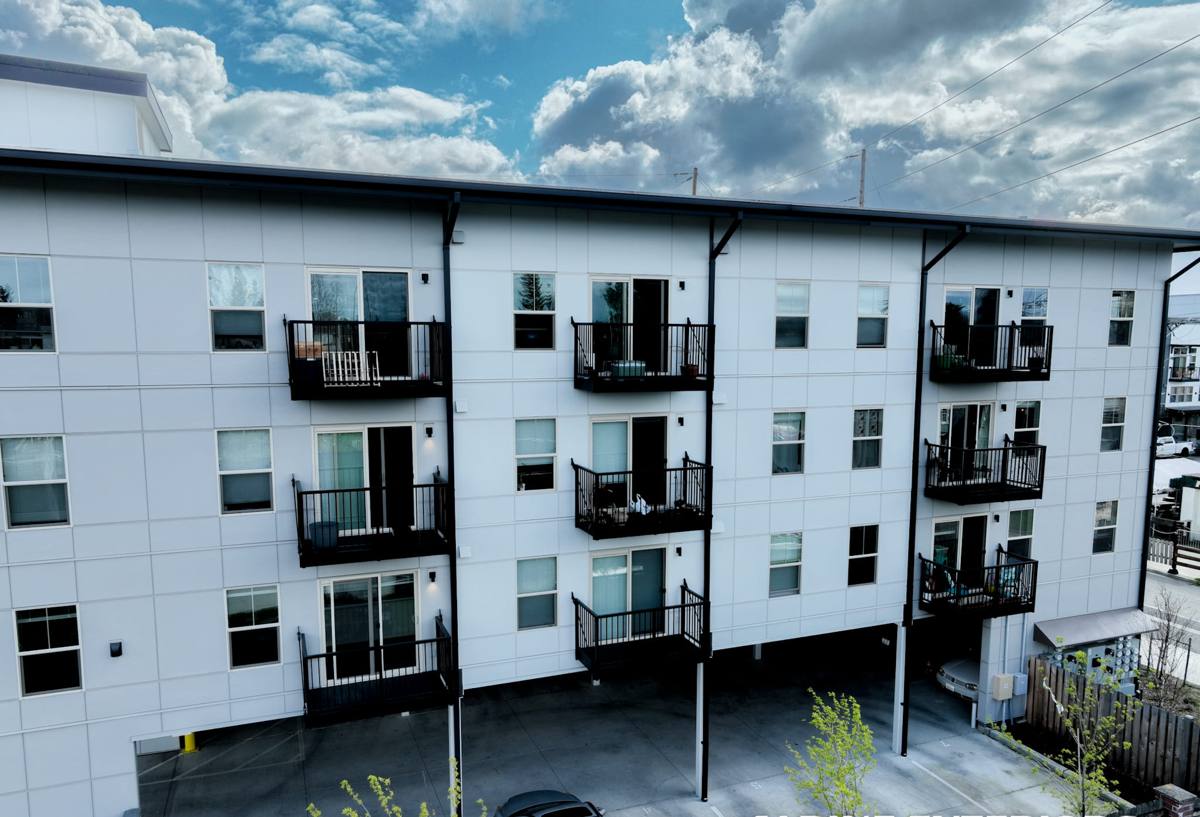
What Is Insert (Pocket) Replacement?
Insert replacement — sometimes called pocket replacement or retrofit replacement — means the new window is built to fit inside your existing window frame. The old sash and glass are removed, but the original frame, the exterior trim, and the surrounding wall stay exactly as they are. The new window unit slides into that opening and gets sealed and fastened in place.
Why Contractors Recommend It
- Less labor and less disruption — no drywall, stucco, or siding repair around the opening
- Faster installation, often finished within a day for most homes
- Works well when the existing frame is square, solid, and free of rot or moisture damage
- Generally the lower-cost option when the frame is in good shape
The catch is right there in that last bullet on the list above: insert replacement only works if what's underneath is sound. It's a repair strategy built on top of an existing structure, not a fresh start.
What Is Full-Frame Replacement?
Full-frame replacement removes the window down to the rough opening — the old frame, nailing fins, and any hidden flashing all come out. The installer can then inspect and repair the wood or masonry opening underneath, install new flashing and weather barrier, and set a brand-new frame before finishing the exterior trim or stucco around it.
Why It Sometimes Has to Be This Way
Full-frame work is more involved and takes longer, but it's the only method that lets a contractor actually see and fix what's happening behind the old frame. In older Tampa homes — especially those built before modern house-wrap and flashing standards were common — that hidden area is often where the real problems live: soft wood, rusted fasteners, or water staining that never shows up until the old frame comes out.
Side-by-Side Comparison
| Factor | Insert (Pocket) Replacement | Full-Frame Replacement |
|---|---|---|
| Best used when | Existing frame is square, dry, and structurally sound | Frame shows rot, moisture damage, or is out of square |
| Access to hidden structure | None — frame stays covered | Full access to studs, flashing, and sheathing |
| Exterior trim/stucco disruption | Minimal to none | Trim, stucco, or siding repair usually required |
| Typical timeline per window | Faster | Longer, more labor-intensive |
| Ability to upgrade flashing/weatherproofing | Limited | Full opportunity to modernize |
| Glass area (view-through) | Slightly reduced, since new frame nests inside old one | Can often match or exceed original glass area |
Why the Method Matters More Here Than in Most Places
Tampa homes take a beating that homes in drier, calmer climates simply don't. Hurricane-force winds test every seam and fastener in a window assembly, not just the glass. Intense, near year-round UV breaks down sealants, gaskets, and vinyl finishes faster than in northern states. Wind-driven rain during our summer storm season pushes water sideways into gaps that would stay dry in a light drizzle elsewhere. And for homes closer to the bay or the Gulf, salt air accelerates corrosion on metal components — fasteners, hinges, and reinforcement bars — that a window's structural performance depends on.
That combination means the assembly behind the visible window frame matters as much as the window itself. An insert replacement installed over a frame with hidden moisture damage or corroded fasteners can look perfect for a year or two and still fail where it counts — at the connection to the structure — during the next major wind event. Full-frame replacement is the only way to verify and rebuild that connection properly when it's in question.
Signs Your Home Needs Full-Frame Instead of Insert
Not every home needs the more involved approach. But certain signs are a strong indicator that a pocket replacement would just be covering up a problem instead of solving it:
- Soft or spongy wood around the window opening when pressed
- Visible water staining, mold, or a musty smell near the window during or after rain
- Frames that are noticeably out of square, making sashes hard to open or close
- Previous water intrusion history, even if it was "fixed" with caulk in the past
- Homes original to construction with no record of prior window or flashing work
- Visible daylight, drafts, or sand-like debris (deteriorated weatherstripping) around the frame
If any of these apply, an honest contractor should recommend opening the wall up rather than sealing a new window over an unknown condition.
What Drives the Cost Difference
Every home and every window opening is different, so we won't quote numbers that don't hold up from house to house. What we can tell you is what actually drives the cost between the two methods:
Cost Factors
- Labor hours — full-frame work takes meaningfully longer per opening
- Exterior finish repair — stucco, siding, or trim work needed to close up around a new frame
- Structural repair — replacing rotted framing or sheathing discovered once the old frame is out
- Impact-rated glass and reinforced framing — a cost factor for either method if you're upgrading to meet current wind-load expectations
- Number of openings done at once — doing a full elevation or the whole house together typically reduces cost per window compared to one-off jobs
A realistic estimate only comes from someone looking at your actual openings, not a generic price list — condition varies too much house to house for a flat number to mean anything.
Code, Wind, and Glass Considerations in Hillsborough County
Florida's building code requires wind-load and impact performance standards that scale with your home's location and exposure, and coastal and near-coastal parts of Hillsborough County fall under stricter wind-borne debris requirements than inland areas. That affects both replacement methods: the glass and frame have to be rated for the wind pressures your specific address is exposed to, and the connection between frame and structure has to be engineered to hold under that load — which is exactly the connection that full-frame replacement lets a contractor inspect and rebuild from scratch.
If you're near the water, replacing older single-pane or non-impact windows is also one of the more direct ways to reduce storm-shutter dependence and improve how your home holds up to wind-driven rain, without changing anything about the home's appearance.
How to Decide: A Practical Checklist
Before committing to either method, walk through this list — or have a contractor walk through it with you during an in-home evaluation:
- Press-test the wood around each window frame for softness or give
- Check for staining, discoloration, or gaps in the interior drywall or trim near windows
- Ask when the home's windows were last replaced, if ever, and whether flashing was updated at that time
- Note how well each window currently opens, closes, and locks — resistance or misalignment often points to frame movement
- Ask any contractor you're considering to explain, specifically, why they're recommending insert versus full-frame for your home — not just quoting a default
- Confirm the proposed glass and frame are rated for your home's specific wind exposure, not a generic minimum
A contractor who recommends the same method for every home on the block, without inspecting each opening individually, is skipping a step that matters.
Getting an Honest Recommendation
The right method isn't about which one costs more or less — it's about what's actually happening behind your existing window frames. Homes with sound, dry framing are often good candidates for a straightforward insert replacement. Homes with any history of water intrusion, older construction, or visible frame damage are usually better served by full-frame work, even though it takes more time and effort.
If you're weighing a window project for your Tampa home, we're glad to take a look, explain what we see, and walk you through which method actually fits your situation — no pressure, no upsell to full-frame if your home doesn't need it. Reach out for a free estimate using the form below.