 Tampa Window
 Windows Built for Ybor City's Climate, Not Just Its Look
Ybor City sits close enough to Tampa Bay that its homes take on the full range of what Gulf Coast weather can do over a year: long stretches of intense UV, sudden downpours driven sideways by wind, the occasional direct hit from a tropical system, and a steady dose of salt-laden air rolling in off the water. None of that is dramatic on any given day, but it adds up fast on window frames, seals, and glass. A window that looked fine five years ago can be letting in more heat, humidity, and noise than the homeowner realizes, simply because the materials have been quietly breaking down in the background.
Ybor City's housing stock is also a mix — older bungalows and shotgun-style homes from the neighborhood's early cigar-industry years sit alongside renovated properties and newer infill construction. That mix matters for windows more than most homeowners expect, because the right replacement approach depends heavily on what's already in the wall: original wood-frame single-pane units, a prior round of builder-grade aluminum windows from a past renovation, or something already reasonably modern that just needs an upgrade.
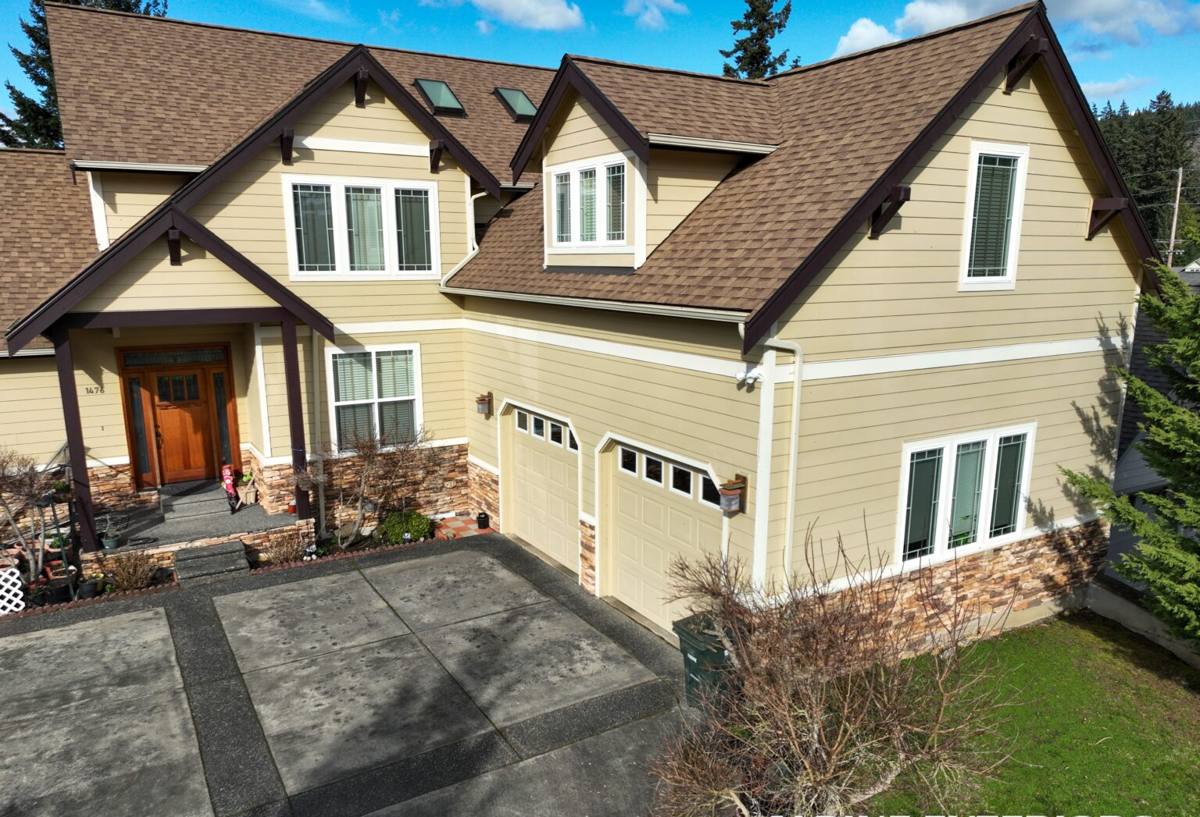
What Tampa Bay Weather Actually Does to a Window Over Time
UV and Heat
Central Florida sun is intense almost year-round, and it doesn't just fade curtains and furniture — it degrades window seals, warps vinyl and wood frames unevenly, and breaks down the seal on older double-pane units until they fog up between the panes. Once that seal fails, no amount of cleaning fixes the cloudiness; the glass unit itself has to be replaced.
Wind-Driven Rain and Humidity
Tampa's rain rarely falls straight down. Wind pushes it sideways and up under sills and trim, which is exactly where weak caulking, worn weatherstripping, or a poorly flashed frame will let moisture in. In an older home, that moisture can work its way into wood framing around the window opening long before a homeowner notices a stain or a soft spot on the interior wall.
Storm Exposure
Every Florida homeowner budgets mentally for hurricane season, and windows are one of the most important — and most overlooked — parts of a home's storm defense. A window that isn't rated for wind pressure and impact resistance is a weak point twice over: it can fail under wind load, and if the glass breaks, the pressure change inside the home can do serious damage to the roof structure. Florida's building code sets wind and impact standards based on location and exposure, and any legitimate window contractor should be able to tell you exactly what your address requires — not just what's convenient to sell.
Salt Air
Ybor City isn't oceanfront, but it's close enough to Tampa Bay that salt-laden air is a real factor, especially for metal components — hinges, locks, balance mechanisms, and uncoated aluminum frames. Salt exposure accelerates corrosion, which is one reason we pay attention to hardware quality and finish, not just the glass and frame.
Historic and Older Homes Need a Different Conversation
A good chunk of Ybor City's charm comes from its older architecture, and some properties in the neighborhood fall within areas subject to historic district design guidelines. That doesn't mean modern, efficient windows are off the table — it means the conversation about frame material, color, grille pattern, and profile needs to happen before ordering anything, not after. We'd rather ask a few extra questions upfront and confirm what's allowed than install something a homeowner has to explain to a review board later.
For homes that aren't under any historic restriction, the priority is usually straightforward: match the original window openings, choose a frame material suited to Florida's humidity and heat, and make sure the installation itself is airtight and properly flashed. A quality window with a sloppy installation will underperform a mid-grade window installed correctly, every time.
Frame Material: What Actually Holds Up Here
| Material | Performance in Tampa Bay Climate | Maintenance |
|---|---|---|
| Vinyl | Good UV and moisture resistance, doesn't corrode; quality varies a lot by manufacturer | Low — no painting, occasional cleaning |
| Aluminum | Strong and slim profile, but conducts heat and can corrode near salt air without proper coatings | Low to moderate — watch hardware for corrosion |
| Wood | Classic look for historic homes, but vulnerable to moisture and humidity swings without diligent upkeep | High — regular painting/sealing needed |
| Wood-clad/composite | Wood interior look with a weather-resistant exterior shell; good middle ground for period-appropriate homes | Moderate |
| Fiberglass | Very stable in heat and humidity, resists warping; higher upfront cost | Low |
We don't push a single material on every job. The right call depends on the home's style, whether it's in a design-review area, the homeowner's budget, and how much long-term maintenance they're willing to take on. What we do avoid is recommending a product purely because it's the cheapest option to install — a window that fails in three years because it wasn't built for this climate ends up costing more than doing it right the first time.
Glass Packages and Impact Ratings
Glass is where a lot of the real performance difference lives, and it's easy to overlook when comparing quotes.
- Low-E coatings reduce heat transfer and UV penetration, which matters directly for Tampa's cooling costs and for protecting flooring and furniture from sun damage.
- Impact-rated glass uses a laminated interlayer so the glass stays intact even if the outer surface cracks under wind-borne debris — this is a structural safety feature, not just a storm-shutter alternative.
- Insulated (double or triple-pane) units improve both energy performance and sound dampening, which is worth considering on homes near busier streets.
- Impact vs. non-impact with separate shutters is a real trade-off — impact glass costs more upfront but requires no manual prep before a storm, while shutters are cheaper per-window but depend on someone being available to install them before landfall.
Cost Factors Homeowners Should Actually Weigh
| Factor | Why It Moves the Price |
|---|---|
| Frame material | Fiberglass and quality wood-clad run higher than standard vinyl |
| Impact rating | Impact-rated glass and reinforced frames add cost but reduce storm prep and insurance risk |
| Window size and style | Custom shapes, large picture windows, or specialty grille patterns cost more than standard double-hung units |
| Number of openings | Full-house replacement typically has a better per-window rate than a handful done individually |
| Existing condition | Rot, out-of-square openings, or old aluminum removal add labor beyond a straightforward swap |
| Historic/design requirements | Approved materials or profiles for design-review areas can narrow options and affect cost |
We give straightforward, itemized estimates so homeowners can see exactly what's driving the number — not a flat lump sum that hides which choices are actually costing more.
Why the Installation Crew Matters as Much as the Window Itself
A window is only as good as the opening it's set into. Proper flashing, sealing, and shimming determine whether wind-driven rain stays out and whether the frame holds up under storm-force wind pressure. This is where a lot of budget installations fall short — not because the window product was bad, but because the install skipped steps that don't show up until the first real storm.
Working with a crew that's handled homes throughout Hillsborough County means we're already familiar with local permitting requirements, the kind of older framing common in neighborhoods like Ybor City, and the wind and impact standards that apply in this part of Tampa. That familiarity shortens the process and reduces surprises mid-project.
What to Check Before Hiring Anyone for Window Work
- Proper licensing and insurance, verifiable through the state or county — ask to see it, don't just take their word for it
- A written estimate that breaks down materials, labor, and any permit costs separately
- Clear answers about wind and impact rating requirements for your specific address
- Manufacturer warranty details in writing, along with the installer's own workmanship warranty
- A real local address and references from work done in the Tampa Bay area, not just a call center
- Willingness to pull required permits rather than suggesting you skip that step
How the Process Typically Works
- On-site assessment — we look at existing window condition, frame material, and any design or historic considerations for the property
- Product and glass selection — matched to the home's style, budget, and wind/impact requirements for the address
- Written estimate — itemized, no pressure to decide on the spot
- Permitting — handled on our end where required by the city or county
- Installation — proper removal of old units, correct flashing and sealing, careful attention to finish work
- Final walkthrough — confirming operation, seals, and cleanup before we consider the job done
One Crew, Whole-Exterior Perspective
Because we also handle siding, roofing, and decks, we tend to notice things a windows-only company might miss — a soffit issue feeding moisture toward a window opening, or siding that's trapping water against a frame. Windows don't function in isolation from the rest of the building envelope, and catching a related issue early is usually far cheaper than dealing with it after it's caused hidden damage.
If you're weighing window replacement for a home in Ybor City or elsewhere in the Tampa area, we're glad to take a look and walk through honest options — no pressure, no hard sell. Use the form below to request a free estimate, and we'll go over what your home actually needs based on its age, exposure, and your budget.