 Tampa Window
 New Roofs in New Tampa Have to Work Harder Than the National Average
New Tampa sits inland from the bay but still takes the full brunt of Central Florida's weather cycle: long summers of intense, near-vertical UV exposure, sudden afternoon thunderstorms that drive rain sideways under poorly sealed edges, and the real possibility of hurricane-force wind gusts moving through Hillsborough County during storm season. Add in the humidity that never really goes away and the salt-carrying air that reaches well inland on stronger weather systems, and you have a climate that ages a poorly built roof years faster than the same product would age somewhere drier and cooler.
A new roof installation here isn't just "put shingles on a house." It's a system of decking, underlayment, flashing, fastening, and ventilation that has to be assembled correctly to survive UV degradation, wind uplift, and wind-driven water intrusion — often all in the same week. When any one of those layers is installed wrong or skipped to save time, the roof can look fine for a year or two and then fail exactly when a storm tests it.
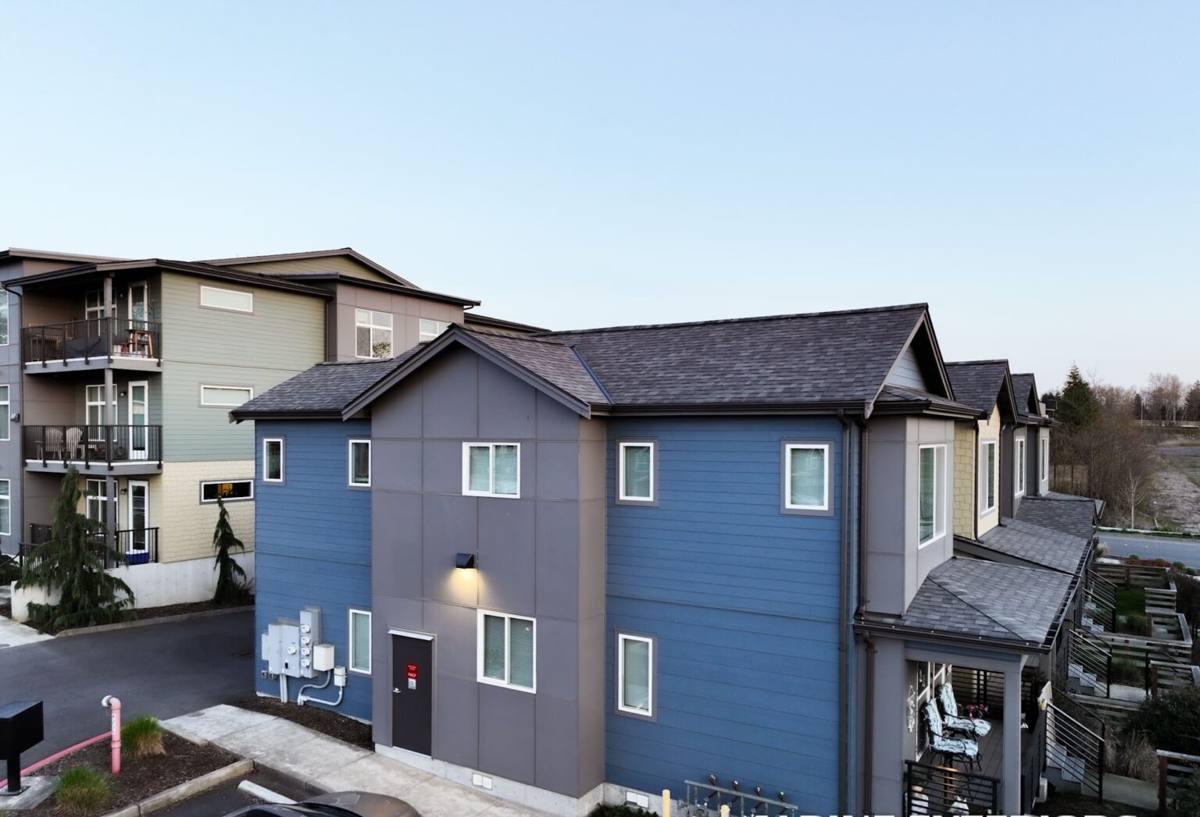
Signs a New Tampa Home Needs Replacement, Not Another Repair
Roofs rarely fail all at once. They give warning signs first. If your New Tampa home is showing more than one or two of these, it's worth getting a straight answer on whether repair still makes sense or whether you're past that point:
- Shingles that are cupping, curling at the edges, or missing granules in large patches (a sign UV exposure has broken down the asphalt)
- Soft spots or noticeable sagging anywhere on the roof deck
- Daylight visible through the attic roof boards
- Water stains on ceilings or in the attic after heavy rain, especially near valleys or penetrations
- A roof that's 18-25+ years old, regardless of how it looks from the ground
- Rising energy bills tied to poor attic ventilation or failing insulation under the deck
- Visible rust, cracked seals, or lifted flashing around vents, skylights, and chimneys
- An insurance company flagging the roof's age or condition at renewal
Any one of these can sometimes be patched. Several together usually mean the underlying materials are past their service life and a repair is just delaying the inevitable — often at a cost that starts adding up toward what a proper new roof would have cost.
What a Correct New Roof Installation Actually Involves
Tear-Off and Deck Inspection
We remove the old roofing material down to the deck rather than layering over it. That's the only way to actually see the plywood or OSB underneath. In our climate, hidden moisture damage under old shingles is common — soft or delaminated deck sections get replaced before anything new goes down. Skipping this step is one of the most common shortcuts in the industry, and it's also one of the most consequential, because a new roof over a compromised deck fails from the inside out.
Underlayment
This is the water barrier between the deck and the visible roofing material, and in a wind-driven rain climate it matters as much as the shingles themselves. We use synthetic or self-adhering underlayment products sized to the roof's exposure, with extra protection (ice-and-water-shield-style membrane) at valleys, eaves, and around every penetration — the places wind-driven rain actually finds its way in.
Flashing and Penetrations
Chimneys, skylights, plumbing vents, and roof-to-wall transitions are where most leaks originate, not the open field of shingles. Correct flashing means new metal or manufacturer-rated boots at every penetration, not re-using old, corroded flashing to save a step.
Fastening for Wind Resistance
Nail pattern and fastener count directly affect a roof's wind rating. We follow manufacturer specifications and Florida Building Code requirements for fastening, which in Hillsborough County are stricter than in many parts of the country because of hurricane exposure.
Ventilation
A hot, poorly ventilated attic bakes shingles from underneath and shortens their life regardless of how good the materials are. Balanced intake and exhaust ventilation is part of a correct installation, not an upsell.
Roofing Material Options for New Tampa Homes
There's no single "best" roofing material — the right choice depends on budget, the home's structure, HOA requirements common in newer New Tampa developments, and how long you plan to stay in the house. Here's an honest comparison of the main options we install:
| Material | Typical Lifespan | Wind Performance | Maintenance | Relative Cost |
|---|---|---|---|---|
| Architectural asphalt shingle | 20-30 years | Good when properly fastened and rated for local wind zone | Low; periodic inspection | $ |
| Standing seam metal | 40-50+ years | Excellent; among the best for wind uplift resistance | Very low | $$$ |
| Concrete or clay tile | 40-50+ years | Good structurally, but individual tiles can crack or dislodge in severe wind | Moderate; occasional tile replacement | $$$ |
| 3-tab asphalt shingle | 15-20 years | Fair; lower wind rating than architectural shingles | Low | $ |
For most New Tampa homes, a high-quality architectural shingle rated for Florida's wind zones gives the best balance of cost, appearance, and durability. Metal is worth the added cost for homeowners planning to stay long-term or wanting the lowest possible maintenance. Tile is common in some New Tampa communities for architectural consistency, and it performs well as long as individual tiles are inspected and replaced after storms rather than ignored.
Permits, Wind Codes, and Insurance in Hillsborough County
New roof installations in Hillsborough County require a permit and inspection under the Florida Building Code, which sets minimum wind-resistance standards for roofing systems based on the area's design wind speed. This isn't paperwork for its own sake — it's the mechanism that keeps roofs from becoming a hazard during a hurricane. A licensed local contractor handles the permit application, schedules the required inspections, and builds to the code rather than treating it as optional.
It's also worth asking your contractor about a wind mitigation inspection once the new roof is complete. Many insurance carriers offer meaningful premium discounts for roofs with modern fastening, a secondary water barrier, and hip or reinforced construction — documentation that's much easier to get right at installation than to retrofit later.
Our New Roof Installation Process
1. Inspection and Honest Estimate
We look at the deck, attic ventilation, flashing points, and the roof's overall condition before recommending replacement over repair, and we walk you through the material options that fit your budget and the home.
2. Material Selection
We help you weigh lifespan, wind rating, appearance, and cost using real numbers for your roof — not a generic sales pitch toward the highest-margin product.
3. Permitting
We pull the required Hillsborough County permit and schedule inspections before work begins, so there are no surprises at closing if you sell the home later.
4. Tear-Off, Deck Repair, and Installation
Old material comes off, damaged decking gets replaced, and the new underlayment, flashing, and roofing system go on to manufacturer and code specifications.
5. Final Inspection and Cleanup
The job passes required inspection, the property is cleared of debris and nails with a magnetic sweep, and we walk the finished roof with you before calling it done.
Why a Local New Tampa Crew Matters
Roofing crews that only pass through after a storm don't know Hillsborough County's permitting process, don't have a working relationship with local inspectors, and won't be around if a warranty issue comes up two years later. A crew that regularly works New Tampa knows the common construction styles in the area's newer developments, understands local HOA aesthetic requirements, and can respond quickly if a storm causes damage rather than adding you to a queue behind out-of-state storm-chase crews. That local accountability is worth more than it sounds like on paper — it's the difference between a warranty that means something and one that's unenforceable because the company is gone.
Getting the Most Life Out of Your New Roof
Even a correctly installed roof benefits from basic upkeep in this climate. A quick checklist worth following:
- Have the roof visually inspected after any significant windstorm, not just once a year
- Keep gutters and valleys clear so water doesn't pool or back up under shingles
- Trim overhanging branches that can drop debris or hold moisture against the roof
- Check attic ventilation isn't blocked by insulation, especially after any attic work
- Address small flashing or sealant issues immediately rather than waiting for a leak
If your New Tampa home needs a new roof, or you're not sure yet whether repair or replacement is the right call, we're happy to take a look and give you a straight answer. Use the form below to request a free, no-pressure estimate.