 Tampa Window
 Asphalt Shingle Roofing in New Tampa
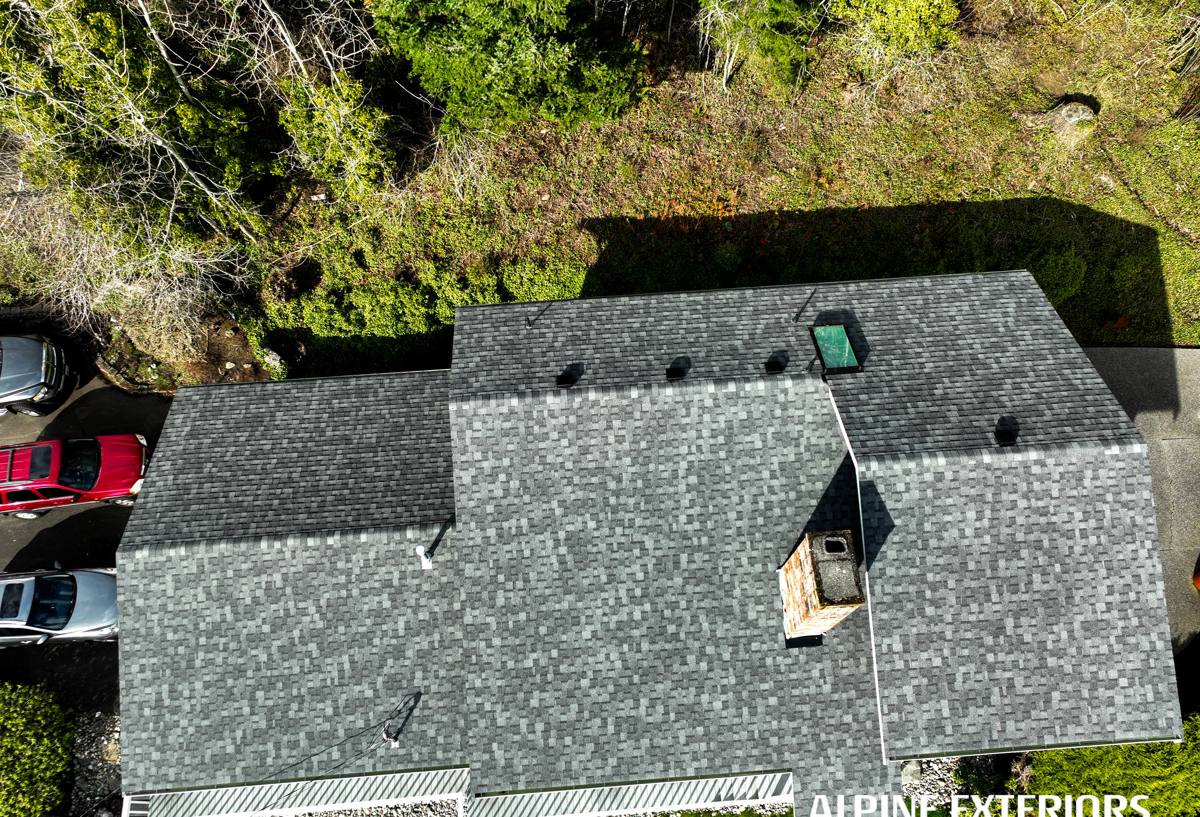
New Tampa's neighborhoods are made up mostly of homes built from the late 1980s through the 2000s, many with roof lines that mix hips, valleys, and dormers to break up the massing. That's good for curb appeal, but it means more flashing, more valleys, and more places for water to find a way in if the roofing work isn't done right. Asphalt shingle roofing is still one of the most practical, cost-effective choices for these homes when it's installed with Hillsborough County's climate in mind rather than treated as a generic, one-size-fits-all job.
We work on asphalt shingle roofs throughout New Tampa and the surrounding Tampa area, and we approach every job the same way: match the system to the climate, follow the manufacturer's installation requirements to the letter, and build in the redundancy that keeps water out when a shingle eventually gets damaged — because in this climate, that's a matter of when, not if.
What Tampa's Climate Actually Does to a Roof
It's easy to think of a roof as one product — shingles on plywood — but in West Central Florida, the roof is really a system that has to survive several different kinds of stress every year:
- Hurricane-force and tropical-storm winds — uplift at the edges and corners of the roof is where shingle failures usually start, especially on homes with longer eaves or steeper pitches.
- Intense, year-round UV exposure — Florida's sun angle and day length age asphalt shingles faster than they age in most of the country, drying out the asphalt and making the granules shed sooner.
- Wind-driven rain — during tropical systems, rain doesn't just fall, it's pushed sideways and even upward under the shingle edge, which is why underlayment and flashing details matter as much as the shingles themselves.
- Salt air — New Tampa isn't right on the coast, but Tampa Bay's proximity still puts salt-laden air into the mix, which accelerates corrosion on exposed metal fasteners, flashing, and vent stacks over time.
- Afternoon heat cycling — hot days and warm, humid nights mean shingles expand and contract constantly, which stresses seals and nail heads over the life of the roof.
None of this means asphalt shingles are a bad choice for New Tampa — they're used successfully on the large majority of homes here. It means the installation details have to account for all of the above, not just keep the rain out on a calm day.
What a Correct Asphalt Shingle Job Involves
Starting With What's Underneath
A roof is only as good as what's under the shingles. Before any new shingles go down, the decking gets inspected for soft spots, delamination, or water staining — common on older New Tampa homes where a prior roof may have had slow leaks nobody noticed from inside. Any damaged decking gets replaced, not covered over.
Underlayment and Water Barriers
Given how much wind-driven rain this area sees during tropical weather, underlayment isn't a place to cut corners. Self-adhering, waterproof underlayment at eaves, valleys, and around penetrations gives the roof a secondary barrier if wind ever lifts or damages a shingle. This is one of the details that separates a roof that holds up through a storm season from one that doesn't.
Fastening for Wind
Hillsborough County's building code sets minimum requirements for nailing patterns and fastener count based on wind zone, but "meeting code" and "installed correctly" aren't always the same thing on a job site. Proper nail placement — not too high, not too low, the right number of nails per shingle — has a direct effect on wind uplift resistance. This is the single most common shortcut taken on rushed jobs, and it's usually invisible until a storm tests it.
Flashing and Transitions
Valleys, chimneys, skylights, sidewalls, and vent penetrations are where the majority of roof leaks actually start — not the open field of shingles. Correctly formed and sealed flashing at every transition point matters more on the hip-and-valley roof lines common in New Tampa than it would on a simple gable roof.
Ventilation
Florida attics get brutally hot. Proper intake and exhaust ventilation keeps attic temperatures from cooking the underside of the decking and shingles from the inside, and it helps control moisture that can otherwise lead to mold or wood rot in the attic structure.
Choosing the Right Shingle for This Climate
Not every asphalt shingle product is built the same way, and for a New Tampa home the wind rating and warranty terms matter more than the color chart. Here's how the common options generally compare:
| Shingle Type | Typical Wind Rating | Best For | Trade-Offs |
|---|---|---|---|
| 3-tab shingles | Lower wind resistance | Budget-conscious re-roofs on simpler roof lines | Shorter lifespan in this climate, less impact resistance, flatter look |
| Architectural (laminate) shingles | Higher wind resistance than 3-tab | Most New Tampa homes; good balance of cost, durability, and appearance | Higher upfront cost than 3-tab, still needs proper fastening to hit rated wind performance |
| Impact-rated (Class 4) architectural shingles | Highest wind and impact resistance | Homes wanting maximum storm durability or insurance credit consideration | Highest material cost; benefit depends on correct installation and documentation |
We'll walk through which option makes sense for a given roof's pitch, HOA guidelines (common in many New Tampa communities), and budget — there's rarely one universally "right" answer, just the right fit for the home and the homeowner's priorities.
Our Process
- Inspection and assessment — we get on the roof (not just a drive-by look) to check decking condition, flashing, ventilation, and existing damage before recommending anything.
- Honest scope and estimate — a clear, written breakdown of what's needed and why, including whether repair or full replacement actually makes sense for the roof's age and condition.
- Permitting — roofing work in Hillsborough County typically requires a permit; we handle that process as part of the job.
- Tear-off and decking check — old roofing is removed down to the deck so any hidden damage can be found and fixed, not covered up.
- Underlayment, flashing, and shingle installation — installed to manufacturer specifications and local wind-zone fastening requirements.
- Cleanup and final walkthrough — magnetic sweep for nails, debris removal, and a walkthrough so the homeowner can see the finished work and ask questions before we consider the job done.
Repair or Replace? A Practical Checklist
- Granules collecting in gutters or at downspouts in noticeable amounts
- Shingles that are curling, cupping, or cracking, especially on south- and west-facing slopes
- Visible daylight through the attic decking or damp insulation after rain
- Missing or lifted shingles after a storm, even if there's no active leak yet
- A roof approaching or past the manufacturer's expected service life for its shingle type
- Soft spots or sagging felt when walking the roof deck
- Rusted or deteriorating flashing around chimneys, vents, or skylights
One or two items on this list often point to a repair. Several at once, or a roof already near the end of its expected life, usually means replacement is the more cost-effective long-term decision.
What Drives the Cost
| Factor | Why It Matters |
|---|---|
| Roof size and pitch | Steeper, more complex roofs take longer to install safely and use more material |
| Number of valleys, hips, and penetrations | Each transition needs flashing work, which adds labor time |
| Decking condition | Rotted or delaminated plywood found during tear-off adds material and labor |
| Shingle grade selected | 3-tab, standard architectural, and impact-rated products carry different material costs |
| Ventilation upgrades | Adding or improving intake/exhaust ventilation is sometimes recommended alongside a re-roof |
| Permit and code requirements | Wind-zone fastening and code-mandated upgrades can affect scope |
We give a firm, itemized estimate after the inspection — not a vague range pulled from a phone call — so there aren't surprises once the crew is on the roof.
Why Hiring Local Experience for New Tampa Matters
A roofing crew that regularly works in New Tampa already understands the roof lines common to its subdivisions, the HOA architectural review process many communities here require before work begins, and the wind-zone and permitting requirements Hillsborough County applies to roofing projects. That familiarity shows up in fewer delays, fewer surprises during permitting, and a scope of work that's realistic from the first estimate — instead of change orders showing up mid-project.
It also matters for insurance. Florida homeowners insurance increasingly ties premiums and coverage to documented wind mitigation features and roof condition. A properly installed, well-documented roofing job can support that paperwork; a rushed one can create problems for a homeowner down the road that have nothing to do with whether the roof currently leaks.
Maintaining an Asphalt Shingle Roof in This Climate
- Have the roof visually inspected after any significant storm, even if there's no obvious damage from the ground
- Keep gutters and valleys clear of debris so water isn't pooling against shingle edges
- Trim overhanging branches that can abrade shingles or drop debris during wind events
- Address small flashing or sealant issues promptly — they're inexpensive to fix early and expensive to ignore
- Schedule a periodic professional inspection rather than waiting for a visible leak
If you're in New Tampa and want a straight answer about whether your roof needs repair, replacement, or just some routine maintenance, we're happy to take a look and give you an honest assessment — no pressure, no pushy sales pitch. Reach out for a free estimate using the form below.