 Tampa Window
 Metal Roofing Built for New Tampa's Climate
New Tampa sits inland from the bay but still takes the full brunt of a Hillsborough County summer: long stretches of intense UV, afternoon storms that roll in almost daily from June through September, and the occasional hurricane-force wind event that puts every roof on the block to the test. A roof here isn't just shedding rain — it's absorbing months of thermal cycling, resisting wind uplift, and holding up under humidity that never really lets a roof deck fully dry out. Metal roofing, installed correctly, handles all of that better than most alternatives, which is why it's become a common upgrade for homeowners in this part of Tampa who are tired of replacing shingles every decade or two.
This page is about metal roofing specifically for New Tampa homes — what the local climate demands, what a correct installation actually involves, and how we approach the job when we're out at your property.
Why New Tampa Homes Are a Good Fit for Metal
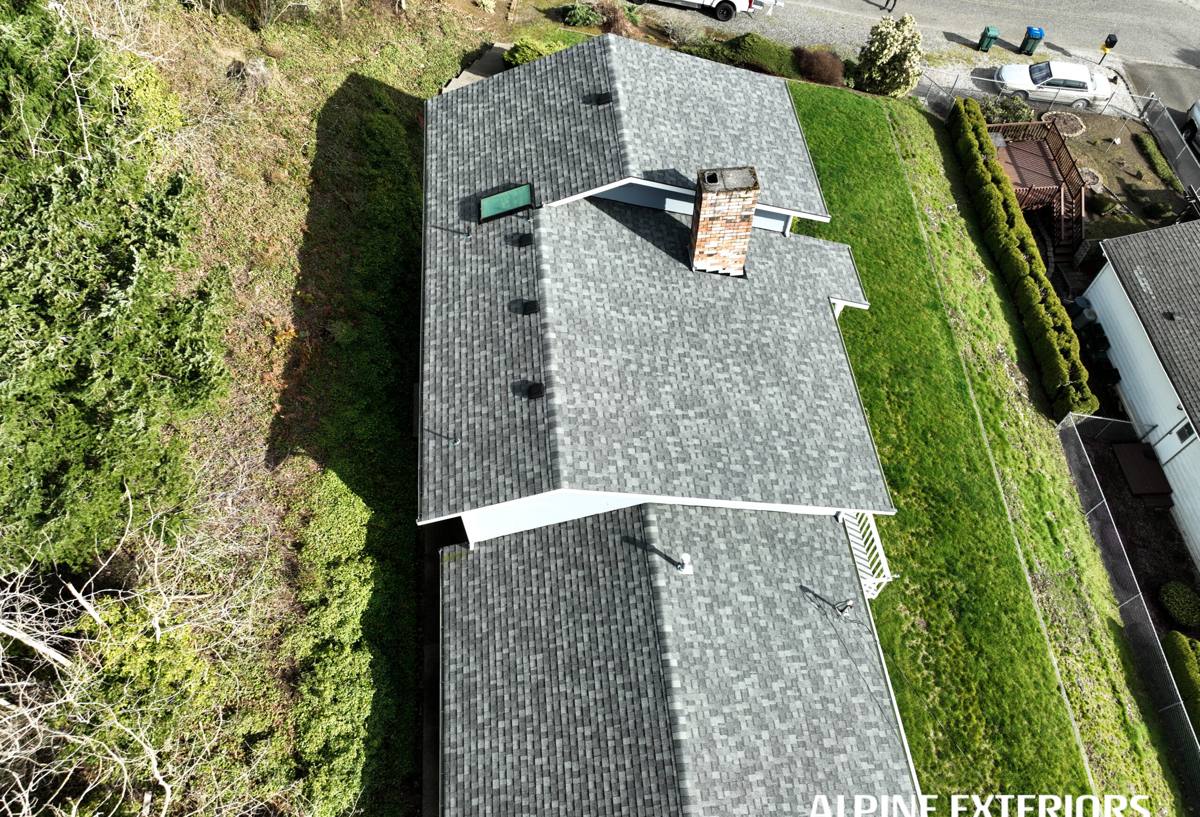
A lot of the housing stock in and around New Tampa includes newer subdivisions with a mix of roof styles — hips, gables, dormers, and the occasional low-slope section over a lanai or garage extension. Metal roofing works well across most of these configurations, but the climate is really the deciding factor, not the architecture.
UV and Heat
Florida sun degrades organic roofing materials from the top down. Asphalt shingles lose their granules and become brittle over years of UV exposure and attic heat buildup. Metal reflects a much larger share of solar radiant heat, which reduces the temperature swing the roof deck experiences and can measurably ease the load on an attic and, by extension, an air conditioning system that's already working overtime for most of the year.
Wind-Driven Rain and Storms
Hillsborough County sees frequent short, intense downpours, plus the real possibility of tropical storm or hurricane-force wind during the season. A metal roof, properly fastened with the right panel profile and underlayment system, sheds wind-driven rain far more consistently than a roof covering that relies on overlapping tabs and adhesive strips that can lift under sustained gusts.
Salt Air and Moisture
New Tampa is far enough inland that salt exposure is lighter than it is on the coast, but Tampa Bay's humidity still means near-constant moisture in the air. That moisture works on fasteners, flashing, and any exposed metal edge over time. It's a slower threat than a direct storm, but it's the one that determines whether a roof still looks and performs well after fifteen years, not just after year one.
What a Correct Metal Roof Installation Actually Involves
Metal roofing has a reputation for durability, but that reputation only holds if the installation is done right. A poorly installed metal roof can leak, oil-can (develop a wavy appearance), or fail at the fasteners well before its material lifespan is up. Here's what we treat as non-negotiable on every job:
- Full tear-off and deck inspection — we don't install over a roof deck we haven't verified is sound, dry, and properly fastened
- Correct underlayment system for the panel type, including self-adhered membrane at eaves, valleys, and penetrations where wind-driven rain is most likely to intrude
- Panel layout planned to minimize seams and cross-cuts, especially on complex rooflines with multiple hips and valleys
- Fastener spacing and type matched to the wind uplift requirements for this part of Hillsborough County
- Properly formed flashing at every penetration — vents, chimneys, skylights, and wall transitions — rather than relying on caulk or sealant as a primary barrier
- Attention to thermal movement, so panels are fastened in a way that allows the metal to expand and contract without buckling
Sealant and caulk have a place in a metal roof system, but they're a secondary defense, not the plan. If a roof depends on caulk to stay watertight, something upstream in the flashing detail wasn't done correctly.
Panel Types and What They're Suited For
Not every metal roofing product is the right fit for every New Tampa home, and part of an honest estimate is telling you where the trade-offs are rather than just selling whatever's easiest to install.
| Panel Type | Typical Use | Trade-Offs |
|---|---|---|
| Standing seam | Most residential roofs, especially where a clean, modern look is wanted | Hidden fasteners reduce leak points; higher upfront cost than exposed-fastener panels |
| Exposed-fastener panel | Outbuildings, some garages, budget-conscious re-roofs | Lower cost, but fasteners penetrate the panel face and need periodic inspection over the years |
| Stone-coated steel | Homes wanting a shingle or tile appearance with metal's underlying durability | Higher material cost; installation detail is less forgiving than plain panel systems |
We'll walk through which of these makes sense for your roofline, your budget, and how long you plan to stay in the home — a flat re-roof and a full custom standing seam job aren't solving the same problem.
A Note on Maintenance Expectations
Metal roofing is low-maintenance, not no-maintenance. We recommend periodic visual checks after major storms — looking for lifted panels, dented flashing, or debris buildup in valleys — the same way we'd recommend for any roof system. The difference with a correctly installed metal roof is that these checks are usually just confirmation everything is fine, not the start of a repair list.
How Our Process Works
1. On-Site Evaluation
We come out, walk the roof, and check the deck condition, ventilation, and any existing problem areas — old leaks, soft spots, or flashing that's already failing. This tells us what the job actually needs, not just what it looks like from the ground.
2. Straightforward Estimate
You get a written estimate that lays out panel type, underlayment, flashing scope, and price — no vague allowances that turn into surprise add-ons once the tear-off starts.
3. Scheduling Around Tampa's Storm Season
We plan installs with an eye on the forecast. A metal roof install involves a period where the deck is exposed before underlayment and panels go down, and we manage that window carefully given how quickly weather can turn in Hillsborough County during summer.
4. Installation and Inspection
Tear-off, deck repair as needed, underlayment, panels, flashing, and a final walk-through where we go over the finished roof with you before we call the job done.
Signs a New Tampa Roof May Need Attention
- Granule loss or bald patches on an aging shingle roof, especially on south- and west-facing slopes
- Curling, cupping, or cracked shingles after repeated heat cycling
- Rust staining or visible corrosion around existing metal flashing or fasteners
- Water stains on interior ceilings after heavy rain, even if there's no obvious exterior damage
- Visible sagging along the roofline or soft spots when walked
- A roof that's approaching or past the manufacturer's expected service life for its material
Any one of these is worth a look before it becomes a bigger repair. Catching flashing or fastener issues early is almost always cheaper than dealing with deck damage from a slow, hidden leak.
Cost Factors Worth Understanding Upfront
| Factor | Why It Matters |
|---|---|
| Roof complexity | More hips, valleys, and penetrations mean more flashing detail and labor, regardless of panel type |
| Panel type and finish | Standing seam and stone-coated products cost more upfront than exposed-fastener panels |
| Deck condition | Rot or damage found during tear-off adds material and labor beyond the base estimate |
| Ventilation upgrades | Improving attic ventilation during a re-roof adds cost but pays off in comfort and material longevity |
| Removal of existing roofing | Multiple layers of old shingles or existing metal add disposal and labor time |
We won't quote a number without seeing the roof — anyone who does is guessing. But these are the variables that actually move the price, and we'll walk through each one that applies to your home during the estimate.
Why Local Experience with New Tampa Roofs Matters
A crew that works this part of Hillsborough County regularly knows the practical details that generic advice misses: how local wind uplift requirements factor into fastener spacing, how HOA guidelines in some New Tampa communities affect panel color and profile choices, and how permitting works with the county for a re-roof. That familiarity shortens the process and avoids the kind of mistakes that come from treating every roof the same regardless of where it sits.
It also means we're not disappearing after the install. If a storm comes through and you want a flashing point checked, or a question comes up two years down the line, you're calling a crew that's still working in your neighborhood, not chasing down a contractor from three counties over.
Get a Free, No-Pressure Estimate
If your roof is showing its age, or you're planning ahead of the next storm season, we're happy to come take a look. There's no obligation and no pressure — just a straightforward evaluation and an honest estimate for what a correctly installed metal roof would cost on your specific home. Fill out the form below to get started.