 Tampa Window
 Siding Built for New Tampa's Climate, Not Just Its Curb Appeal
New Tampa sits inland from the bay but still takes a beating from everything Central Florida throws at a house: long summers of intense UV, sudden downpours that drive rain sideways against exterior walls, high year-round humidity, and the real possibility of a tropical storm or hurricane pushing sustained high winds through the neighborhood. Add in the salt-tinged air that reaches well inland from Tampa Bay on a breezy day, and you have a climate that is genuinely hard on exterior materials. Siding here isn't just a design choice — it's the first line of defense for the wood framing, sheathing, and insulation behind it.
We install James Hardie fiber cement siding exclusively. That's not a marketing angle — it's a standard we hold because we've seen what Florida weather does to siding materials that aren't engineered for this specific combination of heat, moisture, and wind. This page focuses on one service in one area: James Hardie siding installation for New Tampa homes, and what actually matters when you're deciding on a product and a crew.
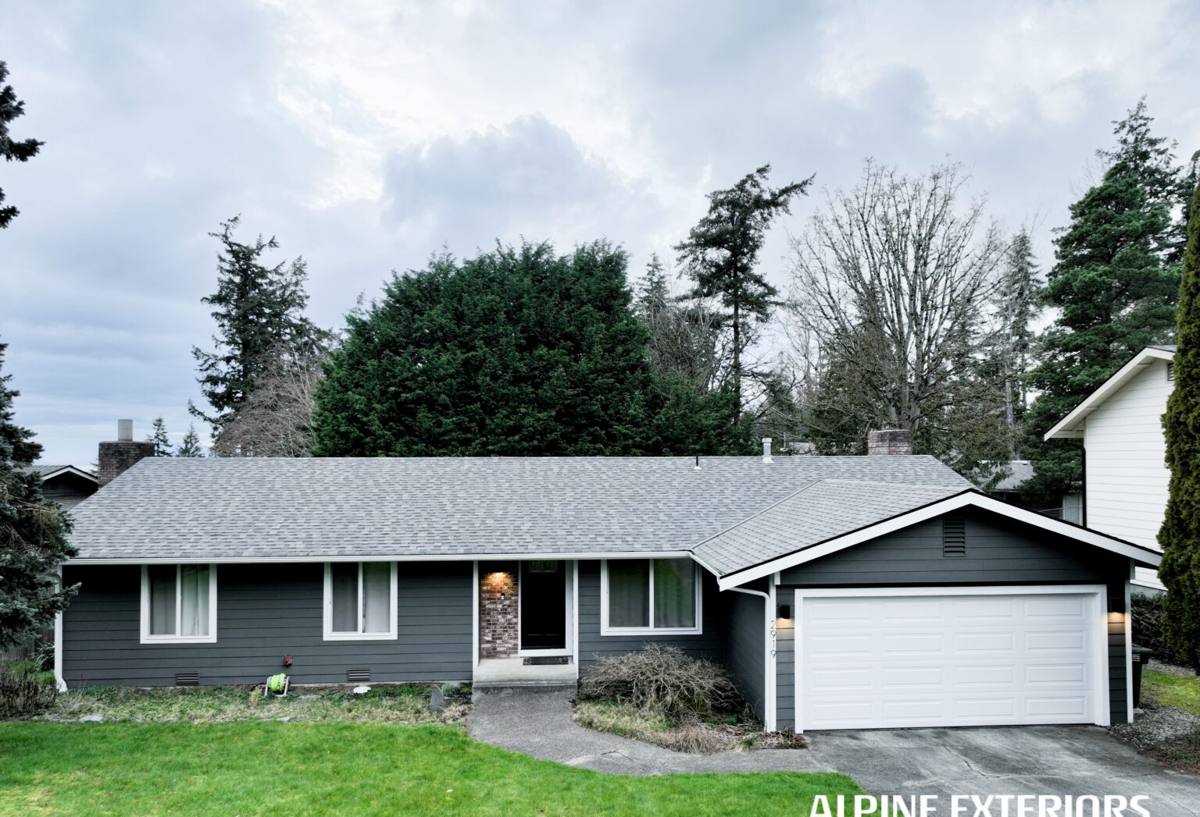
What New Tampa Homes Actually Need From Their Siding
Heat and UV Exposure
Central Florida sun is relentless for most of the year. Siding materials that rely on surface paint films or resin coatings tend to fade, chalk, or become brittle faster here than in milder climates. A factory-baked finish that's engineered to resist UV breakdown matters more in Hillsborough County than it does in a lot of the country.
Wind-Driven Rain and Humidity
Tampa's rainy season brings frequent, intense storms, and wind often pushes that rain horizontally into wall assemblies rather than letting it run straight down. Siding that swells, delaminates, or wicks moisture at the seams creates an entry point for water — and once water gets behind siding in a humid climate like this, it doesn't dry out quickly. That's a direct path to rot, mold, and costly hidden damage.
Storm and Wind Resistance
Hillsborough County sees tropical systems on a regular basis. Even when New Tampa isn't in the direct path of a hurricane, it still deals with strong outer-band winds, hail-adjacent debris, and the kind of pressure differentials that can pull poorly fastened siding right off a wall.
Pests and Salt Air
Wood-based siding products are a food source for termites and carpenter ants, both of which are active year-round in this part of Florida. And while New Tampa isn't beachfront, breezy days still carry a measure of salt air inland, which accelerates corrosion on fasteners and hardware that aren't rated for it.
Why We Standardized on James Hardie for This Market
James Hardie fiber cement is engineered specifically for climate durability, and the company makes an HZ5 formulation designed for hot, humid, high-moisture regions like ours. A few reasons it's the product we put on New Tampa homes:
- Non-combustible core: fiber cement doesn't feed a fire the way wood-based or foam-backed products can, which matters for insurance and for peace of mind.
- Moisture stability: it doesn't swell, warp, or delaminate the way some engineered wood products can when they take on repeated moisture exposure.
- Factory-applied ColorPlus finish: baked-on, UV-resistant color that holds up to Florida sun far better than field-applied paint, with a warranty that follows the finish.
- Pest resistance: termites and carpenter ants have no interest in fiber cement.
- Strong, transferable warranty: Hardie backs the product with warranty coverage that can transfer to a new owner if you sell, which matters for resale in a growing area like New Tampa.
We don't install LP SmartSide, vinyl, Cemplank, Allura, or primed wood siding. Each of those has legitimate uses in the right climate and application, but for Hillsborough County's combination of sun, storms, humidity, and pest pressure, we've made James Hardie our standard because it holds up to real-world conditions here with the least long-term maintenance burden.
What a Correct James Hardie Installation Actually Involves
The product only performs as designed if it's installed to Hardie's published specifications. A lot of the siding problems we get called out to inspect on existing homes trace back to installation shortcuts, not the material itself. Correct installation includes:
- Proper water-resistive barrier and flashing details at every window, door, and penetration before siding goes up
- Correct fastener type, spacing, and penetration depth — under- or over-driven nails are a common failure point
- Minimum clearances from grade, roofing, decks, and other abutting surfaces so water has somewhere to go
- Properly gapped and caulked joints, sized for thermal movement rather than sealed tight
- Correct starter strip and butt joint layout to shed water instead of trapping it
- Field-touch-up of cut edges with Hardie-approved product to protect the exposed core
Skipping any of these doesn't usually cause an immediate problem — it shows up two, five, or ten years later as a moisture issue that's expensive to trace and repair. That's why installation quality matters as much as the product choice itself.
Our Process for New Tampa Projects
1. On-Site Assessment
We walk the property, check the condition of the existing siding and sheathing, look for prior moisture damage, and note anything specific to the home's exposure — sun-facing walls, low clearances, tree cover, and so on.
2. Product and Profile Selection
We go over Hardie's plank, shake, and panel profiles and ColorPlus color options, and talk through what fits the home's architecture and your preferences.
3. Written Estimate
You get a clear, itemized estimate before any work starts — no surprise add-ons once the crew is on-site.
4. Tear-Off and Substrate Repair
We remove the old siding, inspect the sheathing underneath, and repair or replace any compromised wood before anything new goes up. Covering damaged substrate with new siding just hides a problem — we won't do that.
5. Installation to Spec
Weather barrier, flashing, and siding installation follow Hardie's fastening and clearance requirements, not shortcuts to save a day of labor.
6. Final Walkthrough and Cleanup
We walk the finished job with you, address anything you flag, and clear the site of debris and old material.
Colors, Profiles, and Fitting New Tampa's Look
New Tampa has a mix of architectural styles, from traditional suburban facades to Mediterranean-influenced designs common in Central Florida developments. James Hardie's lineup gives us room to match either direction:
- HardiePlank lap siding — the most common choice, available in several exposure widths and textures (smooth or cedar-grain)
- HardieShingle — for accent areas, gables, or a full shingle-style look
- HardiePanel — vertical panel siding, often used for modern or board-and-batten style accents
- HardieTrim — matching trim boards for a finished, consistent look at corners and openings
ColorPlus finishes come in a range of factory colors engineered to resist Florida's UV load better than field-applied paint, and they're formulated to minimize the chalking and fading that shows up fastest on south- and west-facing walls in this climate.
How Hardie Compares on the Factors That Matter Here
| Factor | James Hardie Fiber Cement | Typical Wood-Based or Vinyl Siding |
|---|---|---|
| UV/fade resistance | Factory-baked ColorPlus finish, engineered for long-term color retention | Field-applied paint or surface coatings that fade/chalk faster in intense sun |
| Moisture behavior | Stable fiber cement core, doesn't swell or delaminate | Wood-based cores can swell, warp, or delaminate with repeated moisture exposure |
| Fire rating | Non-combustible | Combustible (wood-based) or can deform under heat (vinyl) |
| Pest resistance | Not a food source for termites or carpenter ants | Wood-based products can be vulnerable without proper treatment |
| Wind/impact durability | Rigid, holds up well when properly fastened | Varies; some products are more prone to cracking or blow-off in high wind |
| Warranty | Long-term, transferable manufacturer warranty | Varies widely by product and manufacturer |
What Affects the Cost of a New Tampa Hardie Siding Job
Every home is different, so we don't quote broad numbers without seeing the property, but the main cost drivers are consistent:
- Square footage and wall complexity — more corners, gables, and dormers mean more labor and trim
- Tear-off scope — removing and disposing of existing siding versus a simpler substrate
- Substrate repair — any wood rot or sheathing damage found once old siding comes off
- Profile and finish choice — shingle-style and custom color options generally cost more than standard lap
- Accessibility — two-story sections, tight side yards, or landscaping that limits staging
Most full siding replacements land in a broad mid-five-figure range for an average single-family home, but the only way to get a real number is a walkthrough of your specific property.
Why a Local New Tampa Crew Matters
Hillsborough County has its own permitting process, wind-load and building code requirements, and inspection expectations, and New Tampa's newer developments often carry HOA architectural guidelines around color palettes and exterior materials. A crew that already works in this specific area knows those requirements going in, rather than learning them on your job. Local experience also means we've seen how New Tampa's mix of sun exposure, tree cover, and storm patterns actually plays out on real homes — not just in a manufacturer's spec sheet.
Maintaining James Hardie Siding in a Florida Climate
- Rinse siding periodically with a garden hose to clear salt residue, pollen, and grime
- Keep sprinklers from spraying directly on siding — constant wetting shortens the life of any finish
- Trim back shrubs and trees so siding gets airflow and isn't held wet against foliage
- Inspect caulking at joints and trim annually, especially after storm season
- Address any impact damage or cracked boards promptly rather than letting moisture get behind them
If you're weighing siding options for a New Tampa home and want a straight answer about what your house needs, we're happy to take a look. Reach out for a free, no-pressure estimate — the form below gets you started.