 Tampa Window
 Exterior Contracting for Plant City Homes
Plant City sits on the eastern edge of Hillsborough County, far enough from Tampa Bay that it feels like its own community, but close enough that it catches the same weather systems that roll through the whole region. Homes here run the gamut — older farmhouse-style properties on larger lots, mid-century ranch homes near the historic downtown, and newer subdivisions built out over the last two decades. What they all share is exposure to the same climate stressors: long, humid summers, intense UV load nearly year-round, sudden afternoon thunderstorms, and the occasional direct hit or near-miss from a tropical system. Tampa Window Company works throughout this part of Hillsborough County, and Plant City is a regular stop for our crews.
We handle four trades under one roof — siding, roofing, windows, and decks — which matters more than it might sound like on paper. A lot of exterior problems don't respect trade boundaries. A leaking window can rot the sheathing behind siding. A roof with poor ventilation can bake shingles from underneath while also raising attic temperatures that stress window seals. When one contractor understands how all four systems interact, repairs get diagnosed correctly the first time instead of being patched trade-by-trade while the real cause keeps working on the house.
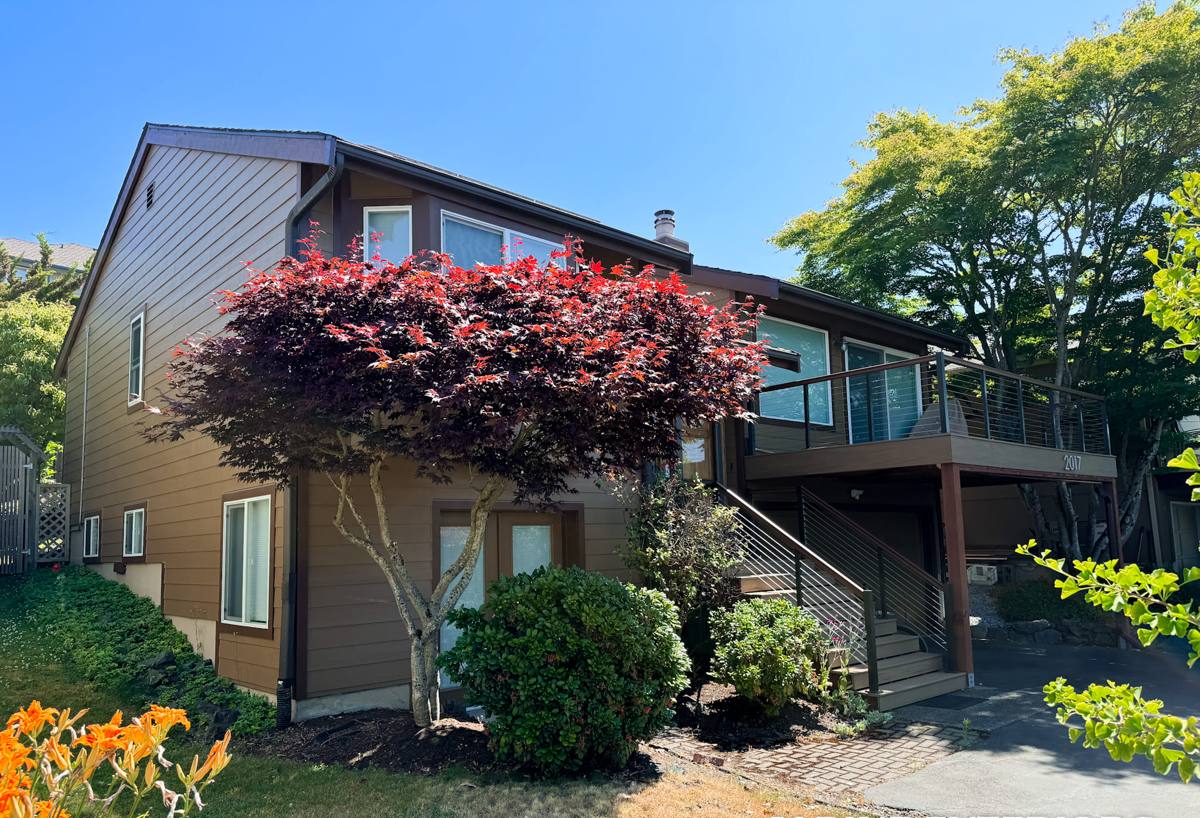
What Plant City's Climate Does to a House
Heat and UV
Central Florida sun is relentless. Asphalt shingles, vinyl siding, and window seals all age faster here than they would in a milder climate simply from UV exposure and heat cycling — materials expand in the afternoon sun and contract overnight, day after day, for years. This is one reason product selection matters more in Hillsborough County than it does in a lot of the country: a shingle or siding product rated for "average" US conditions may perform noticeably worse here than its rating suggests.
Wind-Driven Rain and Storms
Plant City isn't coastal, but it still sits inside Florida's hurricane exposure zone, and inland location doesn't mean immunity — tropical systems can dump extreme rainfall and produce damaging straight-line and rotational winds well after landfall. Wind-driven rain is the more common everyday threat: heavy afternoon thunderstorms push water sideways into siding laps, window frames, and roof penetrations that would stay dry in a calmer climate. Flashing details and sealant quality that would be "good enough" elsewhere aren't good enough here.
Humidity and Moisture
Hillsborough County's humidity is a year-round condition, not a seasonal one. Any gap in a building envelope becomes a path for moisture intrusion, and once moisture gets behind siding or under roofing, the warm, damp climate is close to ideal for rot and mold growth. This is why proper flashing, house wrap, and ventilation detailing matter as much as the visible finish material — the parts you don't see are what keep the parts you do see from failing early.
Salt Air
Plant City is inland, so salt exposure here is lighter than it is on the coast, but it isn't zero — bay-area weather patterns carry some salt-laden air well inland, especially during onshore wind events. It's a slower-acting factor than UV or storm exposure, but it's part of why we don't treat "inland" as "no special considerations" when we spec materials and fasteners for this area.
Siding for Plant City Homes
Fiber cement and quality vinyl are the two products we install most often in this market, and the right call depends on the house, the budget, and how much upkeep the homeowner wants to take on.
| Factor | Fiber Cement | Vinyl |
|---|---|---|
| Upfront cost | Higher | Lower |
| Heat/UV resistance | Excellent — dimensionally stable | Good, but can warp near intense heat sources |
| Impact resistance | Strong | Moderate |
| Maintenance | Repaint every 10-15 years | Occasional wash, no repainting |
| Moisture behavior | Needs proper sealing at cut edges | Naturally water-resistant, but seams need attention |
We don't push one product on every house. A ranch home with mature landscaping and heavy sun exposure might do better with fiber cement's stability; a rental or lower-maintenance property might make more sense in vinyl. What we won't do is install either product with shortcuts on the underlying wrap, flashing, and fastening — those details are what actually determine whether siding lasts 10 years or 30 in this climate.
Roofing Built for Hillsborough County Weather
Roof replacement and repair work in Plant City has to account for both wind uplift and prolonged UV/heat exposure. A few things we pay close attention to on every roofing job in this area:
- Proper nailing pattern and fastener count for local wind exposure requirements
- Underlayment quality — a secondary water barrier matters when wind-driven rain gets under lifted shingles
- Attic ventilation, which affects both shingle life and interior comfort during summer
- Flashing at every penetration — vent stacks, chimneys, valleys — since these are the most common leak points, not open field shingle
- Drip edge and gutter integration so water is actually carried away from the fascia and siding below
Asphalt shingles remain the most common and cost-effective option for this area, and modern architectural shingles rated for higher wind speeds hold up well when installed correctly. Metal roofing is a legitimate option for homeowners wanting a longer service life or better heat reflectivity, at a higher upfront cost. We'll walk through both honestly rather than defaulting to whichever is easier to sell.
Windows: Comfort, Efficiency, and Storm Performance
Windows do a lot of quiet work in a Florida house — they're a major factor in cooling costs, they're a common source of moisture intrusion when seals fail, and in a storm they're one of the more vulnerable points in the building envelope. For Plant City homes we typically talk through:
Impact-Rated vs. Standard Windows
Impact-rated windows carry a heavier, laminated glass package designed to resist wind-borne debris, and they've become increasingly common in this part of Florida even outside the immediate coastal wind zones, largely for the insurance and storm-protection benefit. Standard windows paired with a separate shutter or covering system is the other route, generally at lower upfront cost but requiring action before a storm rather than being always-on protection.
Energy Performance
Given how many months a year Hillsborough County homes run air conditioning, low-E coatings and proper Low U-factor glass make a real difference in comfort and utility bills. Frame material — vinyl versus aluminum versus composite — also affects how much heat transfers through the frame itself, not just the glass.
Installation Quality Matters More Than the Window
A high-end window installed with poor flashing will leak. A mid-grade window installed correctly, with proper flashing tape, sill pan, and sealant sequencing, will outperform it. We spend more time on installation technique than on trying to upsell the most expensive product line, because in this climate, installation defects are the more common source of callbacks — not product failure.
Decks: Built for Sun and Humidity
Outdoor living is a big part of why people choose Florida, and Plant City's larger lots often support decks, porches, and outdoor structures that see heavy use most of the year. The tradeoffs here are mostly about maintenance tolerance:
- Pressure-treated wood — lowest upfront cost, but requires regular sealing/staining to resist UV graying and moisture damage in this humidity
- Composite decking — higher upfront cost, minimal maintenance, better resistance to the heat-and-humidity cycle that degrades wood fiber over time
- Structural hardware — in this climate, corrosion-resistant fasteners and connectors aren't optional upgrades; they're the difference between a deck that's sound in year 15 and one that isn't
Ledger board attachment and proper flashing where a deck meets the house are worth calling out specifically — this is one of the most common failure points on decks generally, and it's exactly the kind of detail that gets rushed by crews not used to building for humid, moisture-heavy conditions.
Why a Local Crew Matters Here
Plant City homeowners are sometimes quoted work by companies based well outside Hillsborough County, or by crews that mainly work coastal jobs and treat inland towns as an afterthought stop between bigger projects. That shows up in small but real ways: unfamiliarity with how local permitting works, less feel for how this specific inland-but-storm-exposed climate treats materials differently than a beach house twenty miles away, and slower response when something needs a follow-up visit. A crew that works this area regularly knows what actually fails here versus what's marketed as a concern, and that shapes better material and installation decisions from the start.
What to Check Before Hiring a Contractor
Whether you're getting quotes from us or comparing multiple companies, this is a reasonable checklist for any exterior project in this area:
- Current Florida contractor license and proof of insurance (general liability and workers' comp)
- A written scope of work — not just a price, but what's actually being done, materials included, and how tear-off/disposal is handled
- Manufacturer certifications for the specific products being installed, where applicable
- Clear answers on warranty terms — both manufacturer material warranty and the contractor's own workmanship warranty
- References or a track record specific to this region, not just general experience
- A realistic timeline that accounts for permitting and weather delays rather than an unrealistically fast promise
Anyone unwilling to put scope, materials, and warranty terms in writing is a reason to keep looking, regardless of how good the price sounds.
Getting Started
Most projects start with a walk-around: we look at what condition your siding, roof, windows, or deck are actually in, talk through what's driving the issue if there's a problem, and lay out real options with honest tradeoffs rather than a one-size answer. If you're in Plant City or elsewhere in Hillsborough County and want a straightforward look at your home's exterior, reach out for a free, no-pressure estimate using the form below.