 Tampa Window
 Window Installation for New Tampa Homes
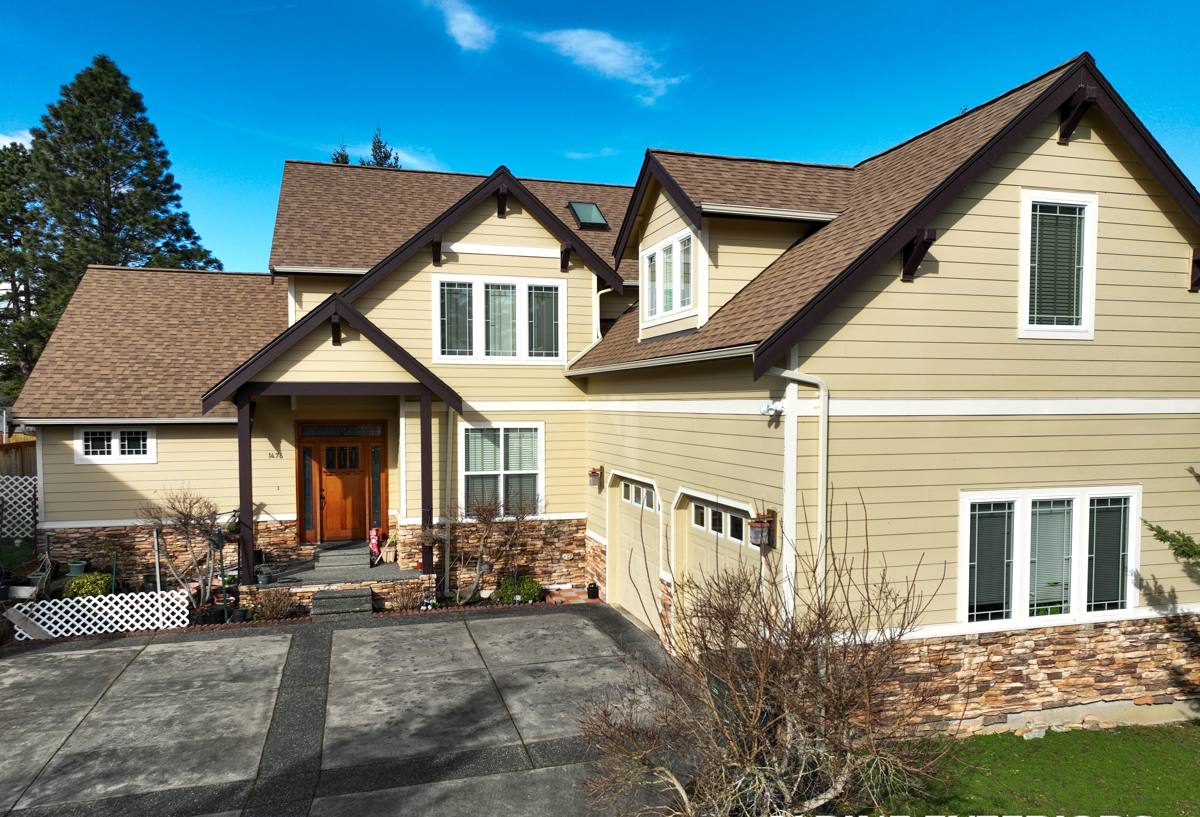
New Tampa's mix of newer master-planned communities and established subdivisions off Bruce B. Downs means a lot of homes in the area are still running original builder-grade windows, especially in neighborhoods built through the 1990s and 2000s. Those windows were code-compliant when installed, but Florida's building code has tightened considerably since then, and single-pane or early dual-pane aluminum windows are past their useful life in a climate this demanding. Whether you're replacing failed windows or finishing out new construction, the installation itself is where the long-term performance is won or lost.
This page covers what New Tampa homes specifically need from a window installation, what separates a correct job from a fast one, and how our process works from first visit to final inspection.
What Hillsborough County's Climate Does to Windows
New Tampa sits inland compared to Tampa's coastal neighborhoods, so it doesn't take the direct salt-air exposure that homes closer to the bay deal with. That doesn't mean it gets off easy. The same conditions that wear down every home in the region are still at work here:
- Hurricane-force wind during tropical systems, which puts real load on frames, anchoring, and glass — even well inland from the coast.
- Intense, year-round UV that breaks down vinyl, degrades seals, and fades interior finishes faster than in northern climates.
- Wind-driven rain from summer afternoon storms and tropical weather, which finds any gap in flashing or sealant and drives water into the wall cavity.
- High humidity that stresses seals and, once water gets behind a window, feeds mold and wood rot before anyone notices a problem.
None of this is unique to New Tampa, but it's the baseline every window installation in this area has to be designed around. A window that would be fine in a mild climate can fail here within a few years if it's the wrong product or it's installed with shortcuts.
Why Older Windows in New Tampa Fail
The most common issues we see on service calls aren't glass defects — they're installation and product-age problems: failed seals letting fog form between panes, aluminum frames that have pitted or gone stiff, and water staining below sills where flashing was never done correctly the first time. Replacement is often less about the window itself and more about correcting what should have been done at installation.
What a Correct Installation Actually Involves
Swapping a window sounds simple, but the parts that determine whether it survives the next decade of Florida weather happen before the new unit ever goes in the opening.
Before the Window Goes In
- Confirming the rough opening is square, level, and structurally sound — old openings often aren't.
- Removing and replacing any deteriorated wood, sill pan, or sheathing found once the old window is out.
- Installing a proper sill pan and flashing sequence so any water that gets past the window sheds outward, not into the wall.
Setting and Sealing the Window
- Using the fastening schedule and anchoring specified for the product's tested wind load — not a generic "however many screws fit."
- Shimming correctly so the frame isn't under stress, which is a common cause of premature seal failure.
- Sealing with the right backer rod and sealant for the substrate, not just a bead of caulk over the gap.
Code and Documentation
Hillsborough County and the City of Tampa require permits for window replacement, and the products installed need a valid Florida Product Approval (or Miami-Dade NOA, which also satisfies Florida code) rated for the wind pressures at your address. That paperwork isn't a formality — it's what your insurance company and any future buyer's inspector will ask for, and it's what protects you if a window fails during a storm.
Frame and Glass Options: How They Compare
There's no single "right" window for every New Tampa home — it depends on budget, the home's age, and how much wind protection you want built into the glass itself versus handled separately with shutters or panels.
| Option | Wind/Impact Performance | Maintenance | Typical Cost Position |
|---|---|---|---|
| Standard vinyl, non-impact | Meets code with separate storm protection (shutters/panels) in place before a storm | Low; won't rust or rot, but frames can yellow under sustained UV over many years | Lower |
| Impact-rated vinyl or fiberglass | Laminated glass resists wind-borne debris; no separate shutters needed | Low; heavier glass, sturdier hardware | Mid to upper-mid |
| Aluminum (non-impact) | Strong frame, but glass package still needs to meet local wind load; older aluminum often doesn't | Moderate; can pit or corrode over time, especially with humidity exposure | Mid |
| Aluminum, impact-rated | Strong frame paired with laminated glass; common on larger openings | Moderate | Upper |
We'll walk through what fits your home and budget rather than defaulting to the most expensive option. Plenty of New Tampa homeowners do fine with a solid non-impact window paired with shutters they already own; others want impact glass so there's nothing to put up before a storm. Both are legitimate choices when they're specified and installed correctly.
Energy Efficiency and UV Protection
Because New Tampa gets strong sun exposure most of the year, the glass package matters as much as the frame. Low-E coatings and the right gas fill between panes cut down on heat gain, which shows up directly in cooling costs during the long Florida summer. We'll go over glass options and their approximate performance for your specific window orientation — south- and west-facing openings usually benefit the most from a stronger Low-E package.
Our Installation Process
- On-site assessment. We measure every opening, check the condition of the framing and sill, and note anything (rot, prior water intrusion, out-of-square openings) that needs addressing before installation.
- Product selection. We go over frame material, glass package, and wind-rating options based on your home, budget, and whether you want impact glass or plan to use shutters.
- Permitting. We pull the required permit through Hillsborough County or the City of Tampa, whichever has jurisdiction over your address, and schedule required inspections.
- Removal and prep. Old windows come out, the opening gets inspected and repaired as needed, and sill pan/flashing goes in before the new unit does.
- Installation. Windows are set, shimmed, fastened to the tested anchoring schedule, and sealed.
- Inspection and walkthrough. We schedule the final inspection and walk the job with you so you know what was done and what to expect from the new windows.
Why a Crew That Already Works New Tampa Matters
Window installation quality depends a lot on local knowledge that doesn't show up on a spec sheet:
- Permit familiarity. Knowing whether your address falls under Hillsborough County or City of Tampa permitting, and what each office expects on submittals, keeps the job from stalling.
- HOA awareness. Many New Tampa communities have homeowners' associations with architectural review requirements for exterior changes, including window color, grid pattern, and sometimes brand approval. We know to flag this early so it doesn't hold up your project.
- Local wind-load knowledge. Wind pressure requirements vary by exposure and distance from the coast even within Hillsborough County. A crew working New Tampa regularly knows what the code actually requires here, rather than defaulting to a generic spec.
- Product track record. We see how different products actually hold up in this climate over years, not just what a brochure claims.
Maintenance After Installation
A correctly installed window in New Tampa still needs basic upkeep to reach its full lifespan:
- Rinse frames and tracks periodically to clear pollen, dust, and salt-tinged air that drifts in from the bay on windier days.
- Check exterior sealant annually, especially after a rough storm season, and have any cracked or pulled-away caulk redone before it lets water behind the frame.
- Keep weep holes at the bottom of the frame clear so water can drain out instead of pooling.
- Operate hardware (locks, cranks, rollers) a few times a year even on windows you don't open often, so mechanisms don't seize.
What to Ask Before You Hire
Not every installer approaches this job the same way, and the difference shows up years later, not on day one. Before signing a contract, a quote should spell out:
- The specific product line, frame material, and glass package — not just "vinyl windows."
- Whether the product carries Florida Product Approval or Miami-Dade NOA for your address's wind zone.
- Who is pulling the permit and handling inspections.
- What happens if rot or damage is found in the opening once the old window is removed.
- The warranty terms for both the product and the labor, in writing.
If you're weighing whether to repair, replace a few windows, or do the whole house at once, we're glad to walk your home, answer questions honestly, and put together a straightforward estimate — no pressure, no inflated first-visit quote. Use the form below to get started.