 Tampa Window
 Siding in New Tampa Has a Harder Job Than It Looks
New Tampa sits inland from the bay but that doesn't spare it from Florida's exterior punishment. Homes here deal with the same long, humid summers, sudden downpours, and hurricane-season wind events as the rest of Hillsborough County, plus the intense UV exposure that comes with living this far south. Add in the newer master-planned neighborhoods built with a mix of stucco, vinyl, and engineered wood trim, and you get a lot of exterior surfaces that were never really designed to hold up for decades without fading, swelling, or cracking.
Siding in this area isn't just a cosmetic layer. It's the barrier between wind-driven rain and your wall sheathing, between UV rays and your paint finish, and between humidity and the wood or engineered materials underneath. When it fails, the damage usually shows up behind the wall long before it's visible on the surface.
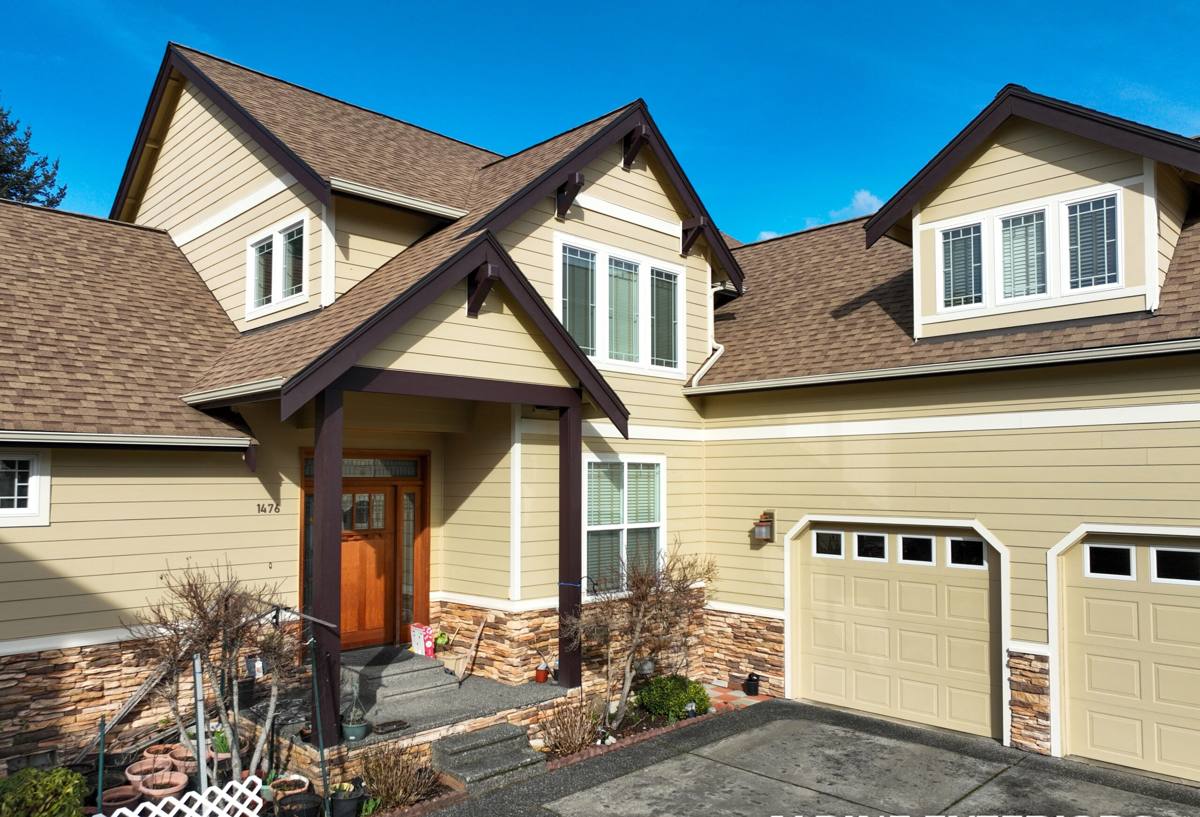
What New Tampa's Climate Actually Does to Exterior Materials
Heat and UV
Tampa gets sun exposure most of the year, and siding materials that rely on a painted or laminate finish take a beating from it. Vinyl can warp or distort in direct, sustained heat. Painted wood and some engineered wood products chalk, fade, and eventually need repainting on a cycle that's shorter than what homeowners expect when they first install it.
Wind-Driven Rain and Humidity
Afternoon storms in this part of Florida aren't gentle — rain often comes in sideways during summer thunderstorms, pushing water into seams, laps, and trim joints that aren't detailed correctly. Combine that with the region's year-round humidity, and any siding material with a weak moisture-management system stays damp longer than it should, which is exactly the condition that invites rot, mold, and fastener corrosion.
Hurricane-Force Wind
New Tampa is far enough inland to be spared the worst of direct storm surge, but it still sits within reach of tropical-storm and hurricane-force winds during the season. Siding that isn't fastened, flashed, and rated correctly for wind exposure can lift, crack at the corners, or pull away from the wall entirely during a bad storm — and once a section fails, wind-driven rain gets behind the whole wall assembly.
Salt Air
New Tampa isn't beachfront, but Tampa Bay's salt air still travels well inland on prevailing winds, especially compared to a landlocked climate. Salt exposure accelerates corrosion on fasteners and trim hardware, which is one more reason the fastening details matter as much as the panel material itself.
Why We Install Only James Hardie Fiber Cement Here
James Hardie fiber cement is a cement, sand, and cellulose fiber composite — it doesn't absorb water the way wood-based products can, it won't warp in heat the way vinyl can, and it's non-combustible. For a New Tampa home dealing with sun, humidity, and storm wind in the same year, that combination matters more than it does in a milder climate.
Hardie's HZ10 product line is specifically engineered for hot, humid, high-moisture climates like Florida's — it's built with different moisture-resistance and finish specifications than the HZ5 line used in colder, drier regions. We use HZ10 on every New Tampa project because it's the version actually built for this climate, not a general-purpose product that happens to work here.
The factory-applied ColorPlus finish is baked on under controlled conditions and backed by its own finish warranty — that's a meaningfully different proposition than a field-applied paint job that starts degrading under UV exposure from day one. In a market where sun exposure is a year-round condition instead of a seasonal one, a factory finish buys years of extra life before repainting becomes a conversation.
What a Correct Fiber Cement Siding Job Actually Involves
Fiber cement siding is only as good as its installation. The material is durable, but the details around it — flashing, fastening, clearances, and joint treatment — are what actually determine whether a New Tampa home stays dry for the next 30 years or develops hidden rot in year six.
- Removal of failing siding and inspection of the sheathing underneath for existing moisture damage before anything new goes up
- Repair or replacement of any compromised sheathing, framing, or trim discovered during tear-off
- Installation of a code-compliant weather-resistant barrier, properly lapped and sealed at every penetration
- Correct flashing at windows, doors, roof-to-wall intersections, and any other transition point
- Fastening per James Hardie's published specifications for wind zone and exposure, using corrosion-resistant fasteners suited to a salt-air environment
- Proper clearance between the bottom of the siding and grade, roofing, decking, or hardscape to keep the panel edge from sitting in standing moisture
- Correctly sized and sealed joints, with the right gap and caulk system rather than panels butted tight or over-caulked
- Final inspection of trim, corners, and caulk lines before cleanup
Skipping any one of these steps is how a fiber cement job ends up with the same moisture problems people install fiber cement to avoid. The material doesn't fail on its own — bad flashing details and rushed fastening are what let water in.
Our Process for New Tampa Homes
1. On-Site Assessment
We walk the exterior with you, check the condition of the current siding and the sheathing underneath where accessible, and talk through what's driving the project — storm damage, age, an upcoming sale, or ongoing maintenance fatigue.
2. Product and Color Selection
We go through the HZ10 profile options and ColorPlus color range together, factoring in HOA guidelines that are common in many New Tampa communities, and how the color will actually read under Florida's sun.
3. Tear-Off and Substrate Check
Old siding comes off and we inspect what's underneath before covering it back up. If there's hidden rot or moisture damage, we address it before installation continues rather than sealing it in.
4. Weather Barrier and Flashing
This is the step that determines long-term performance more than any other. We install and lap the weather-resistant barrier correctly and flash every penetration before a single piece of siding goes up.
5. Installation to James Hardie Spec
Panels, fasteners, and clearances are installed to Hardie's published requirements for our wind zone, not shortcut to save time.
6. Trim, Caulk, and Final Walkthrough
Trim and corner details are finished, joints are properly sealed, and we walk the completed job with you before calling it done.
Comparing Siding Options for a New Tampa Home
| Material | Heat/UV Behavior | Moisture Behavior | Wind Performance | Maintenance Cycle |
|---|---|---|---|---|
| Vinyl | Can warp or distort under sustained heat | Doesn't absorb water, but seams and gaps let moisture behind the wall | Lighter panels more prone to wind lift in storms | Low, but replacement rather than repair when damaged |
| Primed wood/spruce or cedar | Painted finish degrades under year-round UV | Absorbs moisture; prone to rot in humid climates | Depends on fastening; wood itself can split | Repainting every few years, ongoing rot monitoring |
| LP SmartSide (engineered wood) | Painted finish, similar UV fading over time | Engineered to resist moisture better than raw wood, but edges remain a vulnerability if not sealed and maintained | Reasonable when installed to spec | Moderate; edge sealing and repainting over time |
| James Hardie fiber cement (HZ10) | Factory ColorPlus finish resists fading | Cement-based, doesn't swell or rot; engineered for humid climates | Strong when fastened to spec for wind zone | Low; occasional wash, no repainting for years under ColorPlus warranty |
Every option on this list can work under the right conditions and with careful installation. We standardized on James Hardie fiber cement because, across the combination of heat, humidity, and storm wind that New Tampa homes deal with every year, it's the material that holds up with the least ongoing maintenance burden.
Why It Matters That We Already Work in New Tampa
A crew that regularly works in this area already knows the wind exposure category for the neighborhood, has a working relationship with Hillsborough County permitting, and understands the HOA architectural review process that many New Tampa communities require before exterior work starts. That familiarity shortens the time between your first call and a permitted, HOA-approved installation — and it means the flashing and fastening details are being applied by people who've already dealt with this specific climate on the house down the street, not figured it out for the first time on yours.
It also means we're not guessing at wind zone requirements or defaulting to generic installation instructions written for a different climate. The fastening schedule, clearance details, and product line we specify for a New Tampa home are chosen because they're correct for this area, not because they're the national default.
What Drives the Cost of a New Tampa Siding Project
| Factor | Why It Matters |
|---|---|
| Home size and wall complexity | More corners, gables, and dormers mean more cutting, trim work, and labor time |
| Substrate condition | Hidden rot or moisture damage found during tear-off adds repair scope before siding can go up |
| Profile and finish selection | Lap width, shingle-style panels, and specialty ColorPlus colors carry different material costs |
| Trim and detail work | Window and door trim, corner boards, and fascia detailing add labor beyond the flat wall area |
| Access and site conditions | Landscaping, fencing, or limited clearance around the home can affect setup and labor time |
We won't quote a number without seeing the home, but these are the variables that actually move a bid, and we'll walk through each one with you during the on-site assessment.
Maintaining Fiber Cement Siding in a Florida Climate
- Rinse the exterior periodically to remove pollen, dust, and salt residue before it builds up
- Inspect caulk lines at trim and joints annually, especially after a heavy storm season
- Keep irrigation heads and sprinklers from spraying directly on the siding, which shortens the life of any exterior material
- Trim back landscaping and shrubs that trap moisture against the wall
- Watch for any soft spots, staining, or gaps at trim intersections and address them early rather than waiting
Fiber cement needs far less attention than painted wood, but "low maintenance" doesn't mean "no maintenance" — a few minutes of inspection each year catches small issues before they become a repair project.
Let's Take a Look at Your Siding
If your New Tampa home's siding is showing its age, took a hit last storm season, or you're just tired of the maintenance cycle, we're happy to come take a look. There's no pressure and no obligation — just a straightforward assessment and an honest recommendation, using a form below to get started.