 Tampa Window
 Why Frame Material Is a Bigger Decision Here Than Up North
In a lot of the country, window frame material is mostly a style choice. In Tampa, it's a structural one. Hillsborough County homes deal with hurricane-force wind loads, sun that beats down nearly every day of the year, wind-driven rain that gets pushed sideways into wall assemblies, and salt-laden air drifting in off Tampa Bay. Every one of those conditions interacts differently with vinyl, aluminum, fiberglass, and wood. A frame material that performs fine in a mild climate can underperform here within a decade, and one that's overkill in a dry inland state can be exactly right for a coastal-influenced city like ours.
This page walks through the four main frame materials homeowners ask us about, how each one actually behaves in our climate over time, and what trade-offs are real versus overstated. Our goal isn't to steer you toward the most expensive option — it's to help you match the material to your house, your budget, and how long you plan to own it.
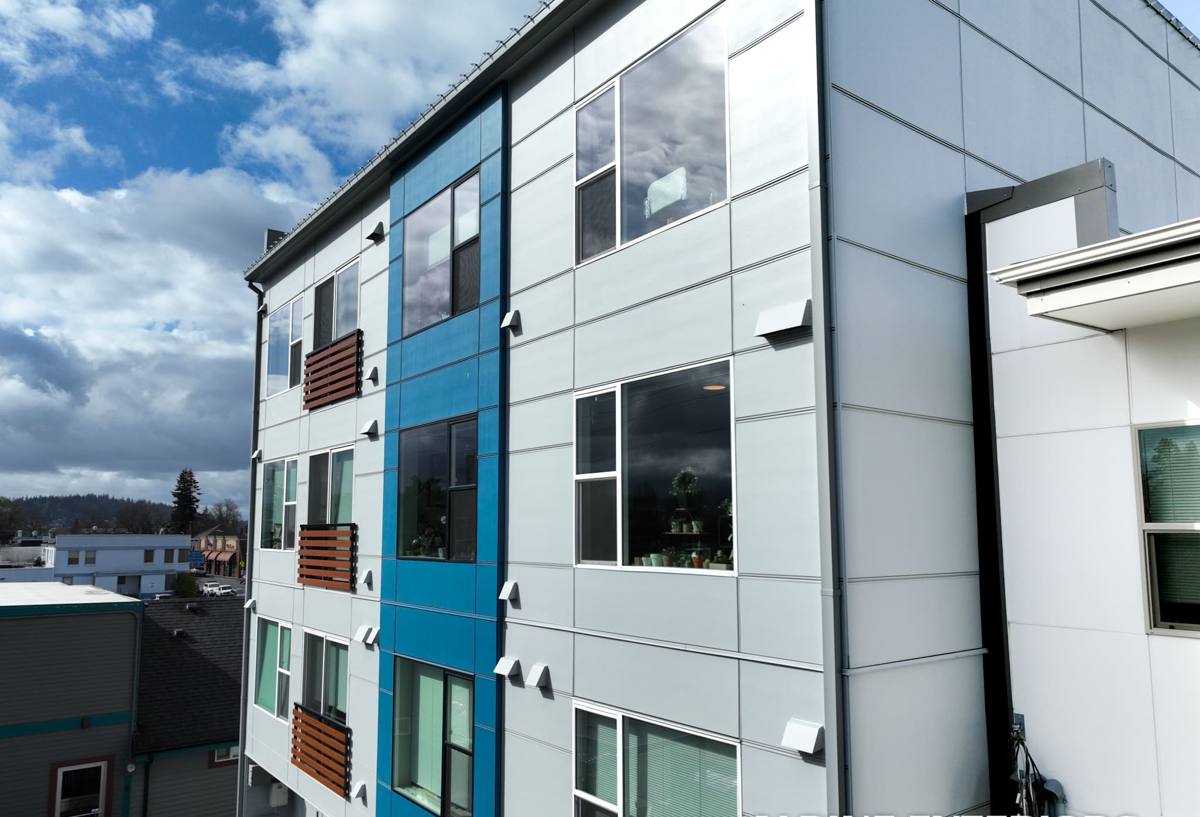
Vinyl Frames: The Budget-Friendly Standard
Vinyl (PVC) is the most common window frame material installed in Florida today, and for good reason. It doesn't rust, it doesn't rot, and it doesn't need painting. Modern vinyl formulations include UV inhibitors that help the frames resist the yellowing and brittleness that plagued cheaper vinyl decades ago, which matters a great deal under Tampa's intense, near-constant sun exposure.
Where Vinyl Earns Its Reputation
Vinyl handles humidity and salt air well because there's no metal to corrode and no wood grain to absorb moisture. It's also a poor conductor of heat, which helps with energy performance in a market where air conditioning runs most of the year. Quality vinyl frames, reinforced internally where spans are wide, can meet Florida Building Code wind and impact requirements when engineered and installed correctly.
Where It Has Limits
Vinyl expands and contracts with temperature swings more than fiberglass or aluminum. On very large window openings, this can eventually affect seal performance if the frame wasn't reinforced properly at installation. Color options are also more limited — vinyl is typically white, tan, or a handful of factory colors, since it can't be field-painted the way wood or aluminum can.
Aluminum Frames: Strength With Trade-offs
Aluminum has a long history in Florida construction because it's strong relative to its weight and holds up structurally under high wind loads, which is part of why you still see it in many impact-rated commercial and older residential installations. It doesn't rot or attract insects, and slim aluminum sightlines are popular in modern architectural styles.
The Conductivity Problem
Aluminum's biggest drawback in our climate is thermal conductivity — it transfers heat and cold far more readily than vinyl or fiberglass. Without a thermal break (an insulating barrier built into the frame), aluminum windows can contribute to condensation on interior frame surfaces during Tampa's humid stretches, and they make your HVAC system work harder. Any aluminum frame we'd recommend for a home window replacement includes a proper thermal break.
Salt Air and Corrosion
Bare or poorly finished aluminum can pit and corrode over years of exposure to salt-laden coastal air, which is a real consideration for homes closer to Tampa Bay or the Gulf side of the county. A quality factory finish (anodized or powder-coated) slows this significantly, but it's a maintenance factor worth asking about before you buy.
Fiberglass Frames: The Premium Middle Ground
Fiberglass is the newer player of the group, and it addresses several weaknesses of both vinyl and aluminum at once. It expands and contracts at a rate very close to glass itself, which means better long-term seal integrity around the glazing — a meaningful advantage when you're cycling through Tampa's daily heat swings and sudden afternoon storms.
Durability Under UV and Wind
Fiberglass doesn't soften or sag in heat the way vinyl can under sustained extreme temperatures, and it's dimensionally stable enough to hold tight tolerances on large or custom openings. It also accepts paint, so homeowners aren't locked into factory color choices the way they are with vinyl. The trade-off is cost — fiberglass frames typically sit above vinyl and often above standard aluminum in price.
Wood and Wood-Clad Frames: Beauty With a Maintenance Cost
Solid wood frames offer a warmth and authenticity that manufactured materials can't fully replicate, and for historic homes or specific architectural styles, that matters. But we'll be straightforward: solid wood is a tough sell in our climate. Humidity, wind-driven rain, and wood-boring insects are a persistent combination in Central Florida, and unprotected wood requires disciplined, ongoing maintenance — refinishing, caulking, and inspection — to avoid rot at joints and sills.
Wood-Clad as a Middle Path
Wood-clad frames (a wood interior with an exterior shell of vinyl, aluminum, or fiberglass) let you keep the natural wood look and feel on the inside of the home while the cladding takes the weather exposure outside. This shifts most of the maintenance burden off your shoulders, though the interior wood still needs normal indoor care and the cladding-to-wood seal is a detail worth having installed carefully, since it's the point most likely to let moisture in over time.
How Frame Material Interacts With Hurricane Impact Ratings
It's a common misconception that impact resistance comes entirely from the glass. In reality, the frame has to hold the glazing in place under extreme pressure and flying debris impact, and it has to transfer that load into the surrounding wall structure without failing. That means frame material, reinforcement, and anchoring all matter as much as the glass package itself.
- Vinyl frames used in impact-rated assemblies are internally reinforced, often with steel or aluminum inserts, at the factory — this isn't something that can be added after the fact.
- Aluminum frames are inherently strong but still need correct thermal breaks and proper anchoring depth into the substrate to perform as rated.
- Fiberglass frames offer high strength-to-weight performance and are increasingly common in high-wind-zone impact products.
- Any frame material can fail to meet code if it's the wrong gauge, wrong reinforcement, or installed with inadequate anchoring — the product label and the installation both have to be right.
What this means practically: don't choose a frame material based on impact rating alone. Ask what specific product line and reinforcement package is being proposed, and confirm it's rated for our wind zone, not just "hurricane rated" in general marketing language.
Cost, Lifespan, and Maintenance Compared
Every home and budget is different, so treat the numbers below as general ranges to guide a conversation, not a quote. Actual pricing depends on size, glass package, impact rating, and installation complexity.
| Material | Relative Cost | Typical Lifespan | Maintenance Level |
|---|---|---|---|
| Vinyl | Lowest to mid | 20-30 years | Low — occasional cleaning |
| Aluminum (thermally broken) | Mid | 20-30 years | Low to moderate — watch finish/coating condition |
| Fiberglass | Mid to high | 30-40+ years | Low — repaint optional, not required |
| Solid wood | High | Varies widely with upkeep | High — regular refinishing and sealing |
| Wood-clad | High | 25-35 years | Moderate — cladding is low-maintenance, interior wood needs normal care |
Questions to Ask Before You Choose
Whatever material you're leaning toward, walk through this list with whoever is quoting your project. A contractor who can answer these clearly, without dodging, is one worth trusting with the job.
- What is the exact wind zone and impact rating requirement for my address, and does this specific product meet it — not just the material in general?
- Is the frame reinforced internally, and where does that reinforcement come from (factory versus field-added)?
- What finish or coating protects this frame from salt air and UV over the long term?
- What does the manufacturer's warranty actually cover — frame, glass seal, hardware — and for how long?
- What maintenance will this material realistically need in year 5, year 10, and year 20?
- How will this frame be anchored into my specific wall construction (block, wood frame, stucco)?
Our Take, Plainly
For most Tampa homeowners doing a straightforward replacement, quality vinyl or fiberglass hits the best balance of cost, performance, and low maintenance for our climate. Aluminum still makes sense for certain architectural styles and openings where its strength and slim profile are the priority, as long as it's thermally broken and properly finished. Solid wood is a legitimate choice only for owners who genuinely want to commit to the upkeep it demands here — and wood-clad is usually the more realistic way to get that look without the full maintenance burden. There's no single "best" material across the board; there's a best material for your house, your exposure, and how you want to spend your maintenance time over the next twenty years.
If you'd like a straight answer on what makes sense for your home, we're happy to take a look and talk through it with you. Fill out the form below for a free, no-pressure estimate — no obligation, just honest information.