 Tampa Window
 South Tampa's Exterior Challenge: Water on Three Sides
South Tampa sits on a peninsula bounded by Hillsborough Bay, Old Tampa Bay, and the Interbay area, which means almost every home here lives within a few miles of open water. That proximity is part of what makes the neighborhood desirable, and it's also exactly what wears down windows, siding, roofing, and decks faster than in more inland parts of Hillsborough County. Salt-laden air corrodes hardware and fasteners, wind-driven rain finds its way through aging seals and flashing, and the sun beats down on exterior surfaces essentially year-round. None of that is unique to any one street or subdivision — it's a baseline condition for anyone living this close to the bay.
We work on homes throughout South Tampa, from the older bungalow and ranch stock built decades before modern wind codes to newer construction and elevated rebuilds. Each comes with its own set of exterior issues, but the climate stress is the same for all of them.
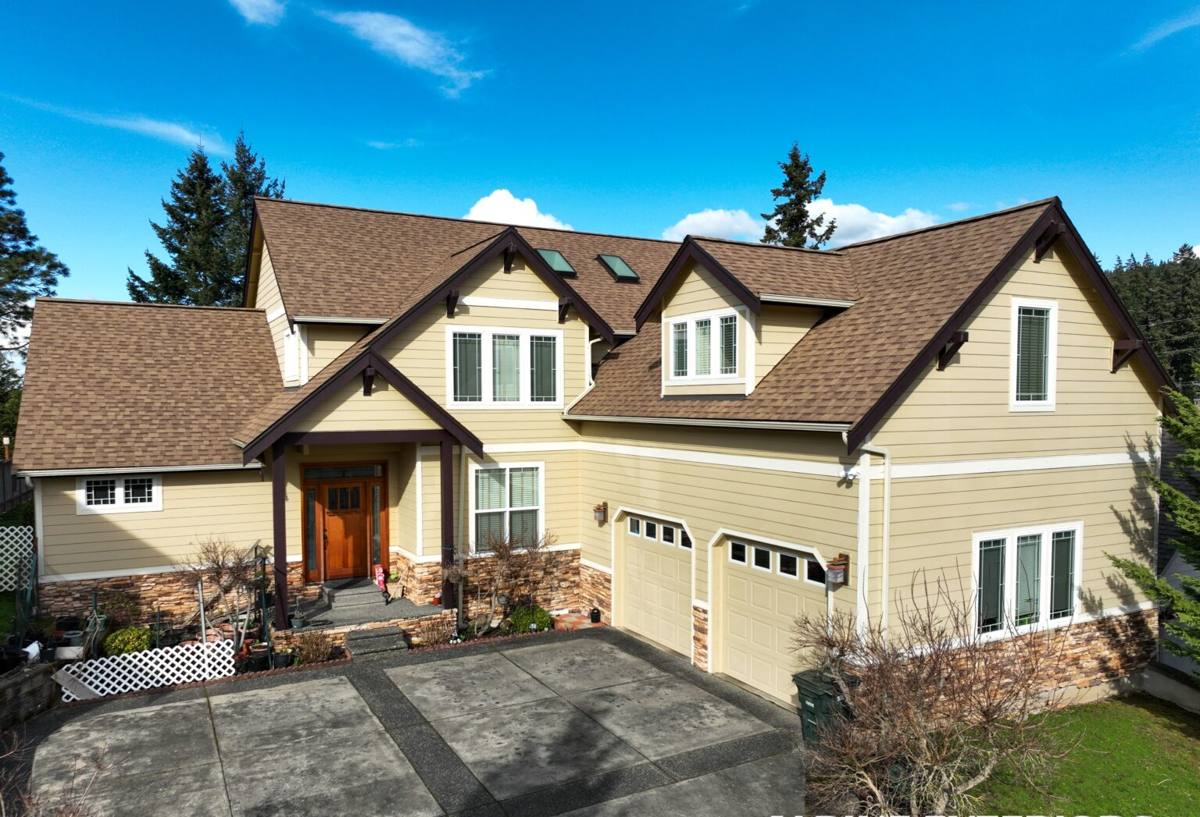
What Bay-Side Exposure Does to a Home's Exterior
Salt Air and Corrosion
Airborne salt doesn't need a direct waterfront view to do damage — it travels on the wind and settles on everything it touches. Over time it corrodes window hardware, screws, hinges, and uncoated metal fasteners on siding and roofing. Homes closer to the water see this fastest, but the whole peninsula is affected to some degree. It's one of the reasons we pay close attention to the fastener and hardware specs on every material we install, not just the visible surface finish.
Wind-Driven Rain
Tampa's storms rarely come straight down. Wind pushes rain sideways into wall assemblies, window frames, and roof edges, which is a much harder condition to seal against than vertical rainfall. A window or siding installation that would hold up fine in a drier, calmer climate can leak in Tampa if flashing, weep systems, and sealant details aren't done correctly. This is a workmanship issue as much as a product issue — even a good window performs poorly if it's not flashed and sealed properly for wind-driven conditions.
UV and Heat
Central Florida sun is intense and nearly constant. UV exposure breaks down cheap vinyl, fades and chalks poor-quality siding, and shortens the life of roofing materials not rated for the climate. Heat cycling — hot days, cooler nights, daily thunderstorm swings — also stresses caulking and seals, which is why a lot of exterior failures in this area trace back to sealant and flashing details rather than the core materials themselves.
Hurricane-Force Wind
Hillsborough County sits in a hurricane-prone wind zone, and South Tampa's open exposure to the bay means wind loads can be significant even from storms that aren't direct hits. Windows, siding attachment, and roof coverings all need to be installed to current wind-resistance standards, not just "up to code on paper" but actually fastened and sealed the way the product is engineered to perform.
Windows for South Tampa Homes
Window selection in this area comes down to a few honest trade-offs: impact resistance versus standard glass with separate protection, frame material and how it holds up to salt air, and how well the installation itself is flashed against wind-driven rain.
- Impact-rated glass provides continuous protection and doesn't rely on shutters being installed before a storm — the trade-off is a higher upfront cost.
- Standard windows paired with rated shutters or panels cost less initially but require action (and storage space) before every storm.
- Frame material matters more here than in drier climates — we steer clients away from hardware and finishes known to corrode quickly in salt air, and toward products with a track record of holding up on the coast.
- Installation detailing — proper flashing, sealant, and weep paths — is often the difference between a window that performs for decades and one that leaks within a few years, regardless of brand.
We don't push a single product line as the answer for every home. A 1930s bungalow near Bayshore and a newer elevated build near MacDill Air Force Base have different structural conditions, different existing openings, and different owner priorities, and the right window spec reflects that.
Siding That Handles Humidity and Salt Air
Siding in South Tampa has to manage two things at once: keep wind-driven rain out of the wall assembly, and resist the slow degradation that comes from humidity, UV, and salt exposure. We generally steer clients toward fiber cement or well-engineered vinyl systems installed with proper house wrap, flashing, and ventilation behind them, rather than any product that traps moisture against the sheathing. Wood siding can look great but demands a maintenance commitment — regular repainting and sealing — that not every homeowner wants to take on in a climate this humid, and we're upfront about that before anyone commits to it.
Older South Tampa homes sometimes have layers of siding history — original wood under later additions — and part of our job during an estimate is figuring out what's actually underneath before recommending a path forward, rather than assuming.
Roofing Considerations on the Peninsula
Roofs here take the most direct hit from sun, wind, and rain combined. A few things matter more in South Tampa than they might inland:
- Attachment and wind rating: proper nailing patterns and underlayment matter as much as the shingle or tile product itself.
- Ventilation: attic heat buildup is a real issue under near-constant Florida sun, and poor ventilation shortens roof life and drives up cooling costs.
- Flashing at penetrations: vents, chimneys, and roof-to-wall transitions are where most wind-driven rain leaks actually start, not the field of the roof.
- Material choice: shingles, tile, and metal all perform differently under UV and salt exposure — we walk through the honest maintenance and lifespan trade-offs of each rather than defaulting to one option.
Decks and Outdoor Living
South Tampa's climate is a big part of why people move here, and a lot of homes are built around outdoor living — pools, patios, and decks that get used most of the year. That same sun and humidity that make outdoor living appealing also stress deck materials hard. Wood decking needs regular sealing and inspection for rot at fastener points; composite decking costs more upfront but resists moisture and UV fading better over the long run with less maintenance. Whatever material a homeowner chooses, proper spacing, fastener selection resistant to salt-air corrosion, and correct ledger attachment to the house are what keep a deck safe and sound, not just how it looks on day one.
Older Homes vs. Newer Construction in South Tampa
South Tampa has a genuine mix of older bungalow and ranch-style homes alongside newer and elevated rebuilds, and the right exterior approach differs between them.
| Home Type | Common Exterior Issues | What We Watch For |
|---|---|---|
| Pre-1970s bungalows/ranches | Original single-pane windows, aging or layered siding, roofs likely replaced multiple times | Structural condition of original openings, hidden moisture damage, code changes since original build |
| 1980s-2000s homes | First-generation vinyl siding and windows reaching end of service life | Sealant failure, corroded hardware, whether original installation detailing meets current wind standards |
| New construction/elevated rebuilds | Generally built to current wind code | Ensuring workmanship on flashing and attachment matches the rating of the materials specified |
Some parts of South Tampa also fall under historic district or neighborhood association design guidelines, which can affect what's allowed for window style, siding profile, or exterior color. We factor that into scope and timeline discussions early, before ordering materials, so there are no surprises.
Why a Local Crew Matters Here
Exterior work in South Tampa isn't the same job as the same trade performed inland. A crew that works this area regularly knows the wind exposure differences between a home two blocks from the bay and one further inland, understands City of Tampa and Hillsborough County permitting requirements, and has seen firsthand which installation shortcuts fail first in this climate. That local familiarity shows up in the details — flashing choices, fastener specs, and sequencing decisions — that don't always show up on a spec sheet but make the difference in how a job performs after a few hurricane seasons.
We also know that South Tampa properties often have tight lots, mature landscaping, and close-set neighbors, which affects staging, access, and how a crew needs to work to avoid unnecessary disruption to a property or the people next door.
Signs Your South Tampa Home Needs an Exterior Inspection
- Window frames that feel soft, sticky to operate, or show visible corrosion on hardware
- Siding that's cracked, warped, or shows dark staining suggesting trapped moisture
- Missing, cracked, or lifted shingles/tiles, or granule buildup in gutters
- Soft spots, discoloration, or nail pops on deck boards
- Musty smells or visible staining on interior walls near windows or exterior walls after heavy rain
- Any exterior work that hasn't been touched since before the last major roof or window code update
Catching these early is almost always cheaper than waiting for a leak to cause interior damage or for a storm to expose a weak point.
Cost Factors to Expect
| Factor | Why It Affects Price |
|---|---|
| Impact-rated vs. standard windows | Impact glass and reinforced frames cost more upfront but eliminate the need for separate shutter systems |
| Home age and existing structure | Older openings and framing may need repair or resizing before new windows, siding, or roofing go in |
| Material choice | Fiber cement, vinyl, wood, composite, shingle, tile, and metal all carry different material and labor costs |
| Access and lot conditions | Tight South Tampa lots, mature trees, and close neighbors can affect staging and labor time |
| Scope of hidden repairs | Moisture or corrosion damage found once old materials come off can add to the original estimate |
Every estimate we provide accounts for these variables specifically for the home in front of us — we don't quote off a generic per-square-foot number without seeing the actual conditions.
Get an Honest Look at Your Home
Whether it's windows that have never been right, siding showing its age, a roof due for a closer look, or a deck that needs attention before the next season of outdoor living, we're glad to come take a straightforward look and talk through real options — no pressure, no hard sell. Fill out the form below to schedule a free estimate for your South Tampa property.