 Tampa Window
 Energy-Efficient Windows Built for New Tampa's Climate
New Tampa sits inland from the bay but still takes the full brunt of a Central Florida summer: long stretches of high humidity, intense UV exposure nearly year-round, sudden afternoon downpours, and the occasional hurricane-force wind event that puts every window in the house to the test. Homes here were built across several decades — from older ranch-style construction to newer subdivisions built out over the past 15-20 years — and a lot of the original single-pane or early dual-pane windows in those homes are past the point where they're doing their job. If your energy bills climb every June through September and you can feel a hot window pane from across the room, that's not just an inconvenience. It's a sign the glass and frame assembly has stopped performing.
Energy-efficient windows done right for this area aren't a cosmetic upgrade. They're a system: glass package, frame material, spacer, and installation detail all have to work together to hold up against Hillsborough County's heat load, UV, and wind-driven rain. We install windows in New Tampa regularly, and this page walks through what actually matters here — not generic window-shopping advice.
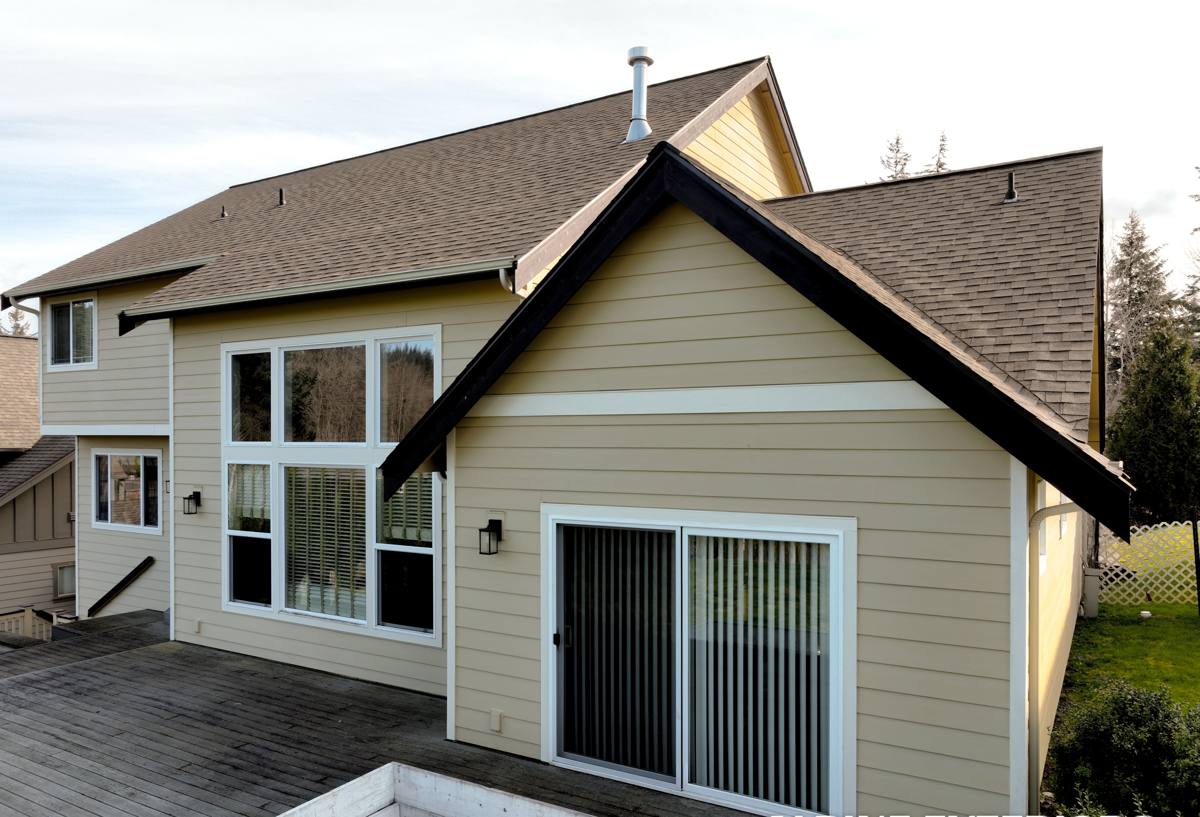
What New Tampa Homes Actually Need From Their Windows
Heat and UV Load
Florida sun is relentless on window glass and the frame sealants holding it in place. Low-E coatings matter more here than in almost any other climate — they reflect infrared heat back out before it ever gets into your living space, which is the difference between a window that keeps a room comfortable and one that turns it into a greenhouse by 2 p.m. UV exposure also breaks down cheap vinyl and low-grade sealants faster than most homeowners expect, which is why frame material and glazing compound quality matter as much as the glass itself.
Wind-Driven Rain and Storm Pressure
Hillsborough County's building code requires windows in this area to meet wind-load and impact standards tied to Florida's High-Velocity Hurricane Zone framework and the Florida Building Code more broadly. Even outside of a named storm, wind-driven rain during a typical summer thunderstorm can find its way through a poorly sealed or aging window. A correct installation accounts for both the product's rating and how it's flashed and sealed into the rough opening — a great window installed with shortcuts will still leak.
Humidity and Condensation
Central Florida's humidity means any gap in a window's seal or insulation shows up fast — as condensation between panes, musty window tracks, or a frame that feels damp to the touch. A properly sealed, correctly sized insulated glass unit resists that moisture migration far better than an older or poorly fitted window.
What a Correct Energy-Efficient Window Job Involves
A window replacement is only as good as the parts of it nobody sees once the job is done. Here's what we consider non-negotiable on every New Tampa install:
- Accurate measurement of each rough opening — no "one size fits most" assumptions, since even homes built in the same subdivision can have settled or shifted slightly differently
- Removal of the old window down to the framing, with an inspection of the sill and studs for water damage or rot before anything new goes in
- Proper flashing and weatherproofing at the opening, sealed to shed wind-driven rain rather than just caulked over
- Correct shimming and squaring so the sash operates smoothly and the seal compresses evenly all the way around
- Low-expansion foam or approved insulation in the gap between frame and rough opening — not stuffed with fiberglass batting, which doesn't seal against air or moisture the same way
- Exterior and interior sealant appropriate for Florida's UV and humidity conditions, not a generic all-purpose caulk
- A final operation check on every window — smooth opening/closing, locks engaging fully, no racking
Skipping any one of these steps is how homeowners end up with a window that looks fine for a year or two and then starts leaking air, fogging between the panes, or letting water in during the first serious storm.
Glass and Frame Options: What We Recommend and Why
We don't push one brand as the only answer, because the right choice depends on your home's exposure, budget, and how long you plan to stay in the house. What we do insist on is glass and frame combinations that have a track record of holding up in Florida heat and storms — and we're upfront about the trade-offs of each option rather than overselling any single product.
| Option | Best For | Trade-Offs |
|---|---|---|
| Vinyl frame, Low-E dual-pane, impact-rated | Most New Tampa homes; strong value for energy performance and storm code compliance | Frame color/finish options are more limited than aluminum; quality varies a lot by manufacturer |
| Aluminum frame, Low-E, impact-rated | Homes wanting a slimmer sightline or matching existing aluminum-frame construction | Conducts heat more than vinyl unless thermally broken; typically higher cost |
| Fiberglass frame, Low-E dual-pane | Homeowners planning to stay long-term and wanting minimal frame expansion/contraction over time | Higher upfront cost; fewer stock sizes, so lead times can run longer |
| Impact-resistant laminated glass (any frame) | Homes wanting storm protection without exterior shutters | Heavier sash, glass cost premium; still needs correct frame and installation to perform as rated |
We generally steer New Tampa homeowners toward Low-E, dual-pane, impact-rated glass as the baseline — it addresses heat, UV, and Hillsborough County's wind code requirements in one package. From there, frame material is really a conversation about your specific home, your budget, and how long you're planning to keep it.
Why We're Careful About Certain Low-Cost Options
There are window products on the market built with thinner vinyl profiles, lower-grade spacers, or sealant systems that aren't rated for sustained UV and humidity exposure. Our standard is to only install products where we're confident in the warranty structure and the manufacturer's track record in hot, humid climates — not because a cheaper option is inherently bad everywhere, but because Florida's conditions are unusually hard on marginal materials, and we don't want to install something we'll be called back to repair in three years.
Our Process for New Tampa Window Replacements
- Free on-site assessment — we look at your current windows, note any frame or sill damage, and measure openings
- Product walkthrough — we go over glass and frame options suited to your home's sun exposure and budget, plainly, without pressure
- Written estimate — a clear breakdown of product, labor, and timeline before you commit to anything
- Scheduling — we work around Florida's rainy-season weather patterns to avoid installing mid-storm whenever possible
- Installation — old windows removed, openings inspected and prepped, new windows set, sealed, and tested
- Final walkthrough — every window operated and checked with you before we consider the job done
Signs Your New Tampa Home's Windows Need Attention
- Rooms near west- or south-facing windows feel noticeably hotter than the rest of the house
- Cooling bills spike in summer months without a clear reason
- Condensation or fogging shows up between the panes (a sign the seal has failed)
- Windows are difficult to open, close, or lock — often a sign of frame warping or settling
- You can hear outside noise clearly through closed windows
- Water intrusion or staining appears on the sill or wall after heavy rain
- Visible gaps, cracked caulk, or peeling paint around the frame exterior
Cost Factors for Energy-Efficient Windows in New Tampa
Every home is different, so we don't quote pricing sight unseen — but a few factors consistently drive cost up or down on jobs in this area:
| Factor | Impact on Cost |
|---|---|
| Number and size of window openings | More/larger openings mean more material and labor |
| Frame material chosen | Vinyl is generally the most budget-friendly; fiberglass and aluminum run higher |
| Impact-rated vs. standard Low-E glass | Impact-rated laminated glass carries a material premium but can reduce or eliminate the need for separate storm protection |
| Condition of existing openings | Rot, settling, or out-of-square framing adds prep labor before new windows can go in |
| Access and second-story work | Upper-floor windows or difficult access can add labor time |
We give a straight, itemized estimate so you know what you're paying for — no bundled mystery line items.
Why Hire a Crew That Already Works in New Tampa
A crew that regularly works Hillsborough County knows the local permitting expectations, understands the wind-load requirements that apply here, and has already seen how different window products hold up after a few Florida summers and storm seasons. That local track record matters more than it might seem — it means fewer surprises during the job and a better read on which products are worth your money versus which ones sound good on paper but don't hold up here. We show up when we say we will, give you a straight answer about what your home actually needs, and stand behind the work we do.
If your New Tampa home's windows are letting in heat, noise, or water, or you're just tired of high summer cooling bills, we're happy to take a look. Reach out for a free, no-pressure estimate using the form below — we'll walk your home, answer your questions honestly, and give you a clear picture of your options before you decide anything.