 Tampa Window
 Siding Repair in Plant City: Built for Hillsborough County Weather
Plant City sits inland from Tampa Bay but that doesn't spare it from the weather that wears down exterior siding across Hillsborough County. Summers bring months of intense, nearly direct UV exposure. Afternoon storms roll through with wind-driven rain that finds every gap, seam, and fastener hole in a siding system. And when a tropical system or hurricane pushes through Central Florida, Plant City homes take sustained wind loads that older or improperly installed siding simply wasn't built to handle. Add in the humidity that never really goes away, and you have a climate that actively works against cheap materials and shortcut installations, year-round.
Siding repair here isn't cosmetic work. It's the difference between a home that sheds water and wind properly and one that's quietly taking on moisture behind the wall assembly. We repair siding on Plant City homes with that reality in mind, not with a patch-it-and-move-on mentality.
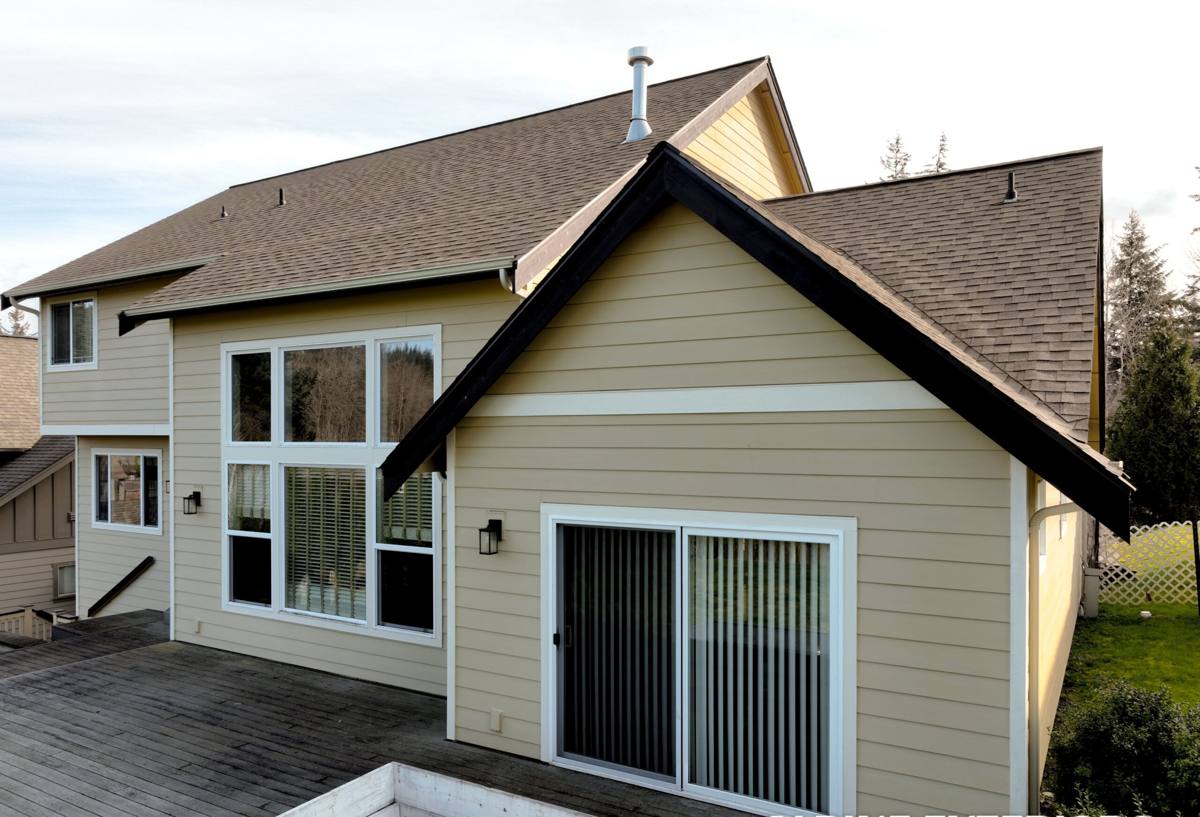
What Plant City's Climate Does to Siding
UV Breakdown
Florida sun is relentless. Vinyl siding chalks, fades, and becomes brittle. Wood siding loses its finish faster than almost anywhere else in the country. Even quality materials need a factory finish engineered to resist UV, not just a coat of field-applied paint that's fighting a losing battle from day one.
Wind-Driven Rain
Plant City's storms don't fall straight down — they come in sideways. That means water gets pushed up under laps, into seams, and behind trim and J-channel that wasn't sealed or fastened correctly the first time. Once water gets behind siding, the damage often isn't visible until it's significant: soft sheathing, stained interior walls, or a musty smell that shows up long after the storm.
Wind Load and Hurricane Exposure
Hillsborough County sees real hurricane risk, and siding takes the brunt of it. Panels that are under-fastened, improperly overlapped, or made from a material with a lower wind rating are the first thing to fail in a storm, sometimes taking house wrap and sheathing damage with them.
Humidity and Moisture Cycling
Constant humidity means siding is always either absorbing or releasing moisture. Materials that swell, cup, or delaminate under that cycling develop repeat problems in the same spots year after year unless the underlying cause is addressed, not just the visible symptom.
Signs a Plant City Home Needs Siding Repair
- Cracked, split, or buckled panels, especially on the sides of the house that catch the most sun or storm-driven rain
- Soft or spongy spots when you press on the siding near the bottom courses or around windows and doors
- Visible gaps, loose panels, or fasteners backing out after storm season
- Staining, streaking, or dark patches that don't wash off, which can indicate moisture trapped behind the surface
- Peeling or fading finish, particularly on south- and west-facing walls with the most sun exposure
- Warped or separating trim, corner boards, or J-channel
- Increased pest activity around siding seams or bottom edges, often a sign of hidden rot
What a Correct Siding Repair Actually Involves
A proper repair is not just swapping a damaged panel for a new one. It starts with finding out why that panel failed in the first place, because if the underlying cause isn't fixed, the same spot will fail again.
1. Diagnose Before Cutting Anything
We remove the damaged section and inspect what's behind it: house wrap, flashing, sheathing, and fastening pattern. If there's water intrusion, we trace it back to the source, whether that's a failed seal at a window, a flashing gap, or a fastener that was driven wrong.
2. Assess the Substrate
If sheathing or framing has taken on moisture damage, that has to be addressed before any new siding goes back on. Covering up soft or rotted substrate with new siding just hides the problem for another season.
3. Match the Repair to the System
Repairs need to integrate with the existing siding's lap pattern, fastening schedule, and manufacturer specs. A repair that doesn't match the original installation method creates a weak point exactly where you didn't have one before.
4. Reseal and Reflash Properly
Any repair touching a window, door, corner, or penetration gets proper flashing and sealant work, not just a bead of caulk over the gap. This is where a lot of rushed repairs fail within a year or two.
5. Match Color and Finish
Whenever possible, we match the existing product line and color so the repair doesn't stand out. On older siding where an exact match isn't available, we'll walk you through realistic options, including whether a broader section or full replacement makes more sense than a patchwork repair.
Repair vs. Replacement: How We Help You Decide
| Factor | Points Toward Repair | Points Toward Replacement |
|---|---|---|
| Extent of damage | Isolated to a few panels or one wall section | Widespread across multiple elevations |
| Age of siding | Newer install, otherwise in good condition | Near or past expected service life |
| Moisture history | No prior water intrusion issues | Repeated leaks or rot in multiple areas |
| Material condition | Surrounding panels are sound | Chalking, cupping, or brittleness throughout |
| Color match | Discontinued product not a major concern | Discontinued color makes patches visibly obvious |
We'll give you an honest read on which side of that table your home falls on. If a repair is the right call, that's what we'll recommend. We're not in the business of selling a full replacement when a targeted fix will hold up.
Why We Only Install and Repair with James Hardie Fiber Cement
When repair work does call for new material, or when a home's siding has reached the point where patching no longer makes sense, we work exclusively with James Hardie fiber cement. We made that call because of what Hillsborough County weather does to alternatives over time. Vinyl softens, warps, and can crack under wind-driven debris. Untreated or primed wood needs constant maintenance to survive Florida humidity and UV. Fiber cement products vary in formulation and quality, and we've standardized on Hardie specifically for its engineered HZ5 product line, built for high-humidity, high-UV climates like ours, its ColorPlus factory finish that resists fading far longer than field-applied paint, and its non-combustible composition. Hardie also backs its products with a strong, transferable limited warranty, which matters a lot in a market like Plant City where homes change hands.
This isn't about brand loyalty. It's about not wanting to send a crew out on a callback in two years because a material wasn't built for what this climate actually does to a house.
Our Siding Repair Process
- Inspection: We walk the exterior, identify every problem area, not just the one you called about, and check for hidden moisture damage.
- Honest assessment: You get a clear explanation of what's causing the damage and whether repair or replacement is the right move, with reasoning you can actually follow.
- Written estimate: Scope, materials, and cost laid out plainly before any work starts.
- Repair work: Damaged sections removed, substrate addressed if needed, new material installed to spec, flashing and sealant done correctly.
- Final walkthrough: We go over the completed work with you before we call the job done.
Why Hiring a Crew That Works Plant City Matters
Siding repair done by a crew unfamiliar with Central Florida's specific weather stresses tends to treat every job the same way, regardless of climate. A crew that regularly works Hillsborough County homes already understands how wind-driven rain behaves against a west-facing wall, how Florida humidity affects material choices, and how to install a repair that will actually withstand the next storm season rather than just looking finished on the day the truck pulls away. That local familiarity shows up in the details: fastening patterns built for wind exposure, flashing details that account for sideways rain, and material recommendations based on what actually holds up here, not what holds up in a milder climate.
Maintaining Your Siding Between Repairs
- Rinse siding periodically to remove salt residue, pollen, and grime buildup that can trap moisture against the surface
- Trim back vegetation and irrigation spray that keeps siding wet longer than necessary
- Walk the exterior after major storms and note any new cracks, gaps, or loose sections
- Keep gutters and downspouts clear so water isn't dumping directly onto siding or foundation areas
- Address small issues quickly. A small gap or crack left alone through a Florida wet season rarely stays small
If your Plant City home has siding that's cracked, gapped, stained, or just showing its age after another summer of Hillsborough County sun and storms, we're happy to take a look. We'll give you a straight answer on what's actually going on and what it will take to fix it, with a free, no-pressure estimate.