 Tampa Window
 Siding Built for Plant City's Inland Florida Climate
Plant City sits inland from Tampa Bay in eastern Hillsborough County, and that location shapes what your siding actually has to survive. You're farther from the immediate salt spray that hammers waterfront homes, but you still get the full brunt of a Central Florida exterior environment: long, humid summers, intense year-round UV exposure, sudden afternoon downpours, and the same hurricane-force wind events that move through the whole Tampa Bay region. Add in the wide day-to-night and season-to-season temperature swings typical of inland Hillsborough County, and you have siding conditions that punish weak materials and sloppy installation just as hard as anywhere closer to the coast.
The practical result: siding on a Plant City home needs to resist moisture intrusion from wind-driven rain, hold its color and finish under relentless sun, and stay fastened tight through tropical storm and hurricane wind loads — year after year, not just for the first few seasons.
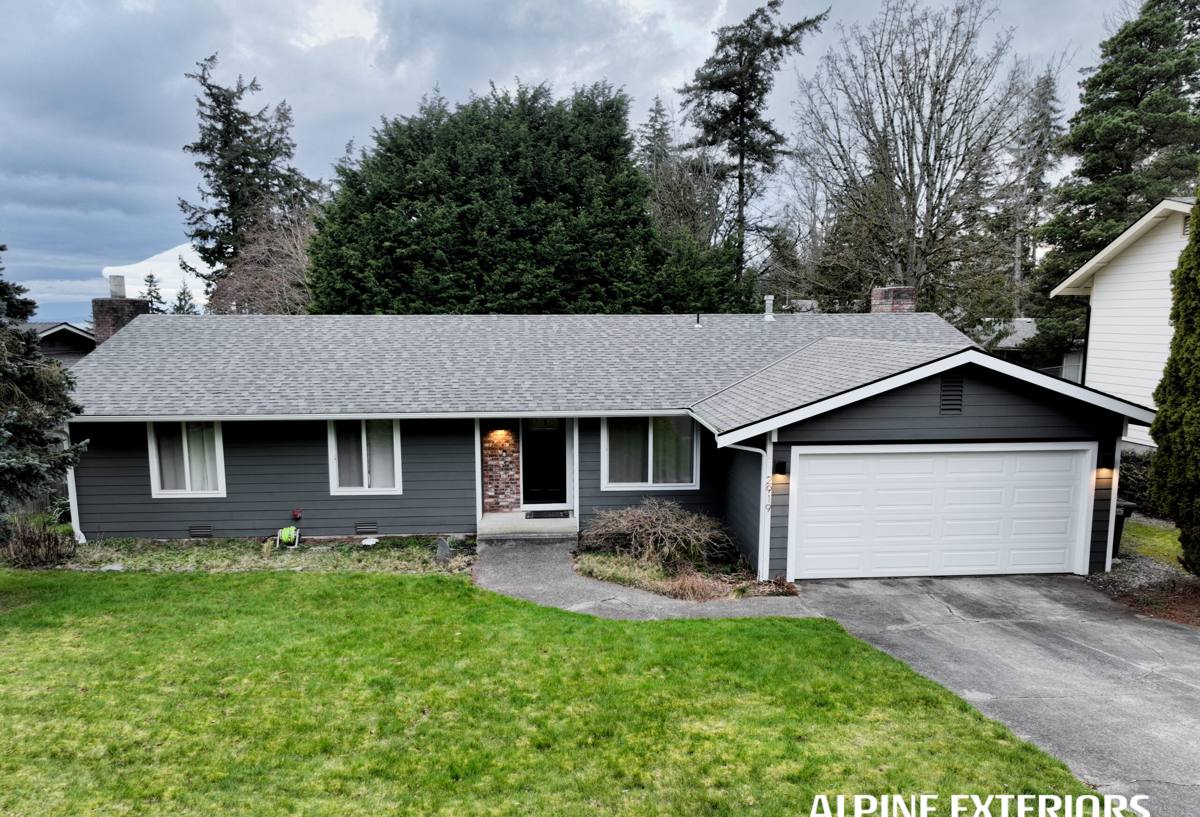
What Plant City Homes Need From Their Siding
Moisture Management
Florida humidity doesn't let up, and Plant City's mix of open agricultural land and residential development means homes often see heavy afternoon storms roll through with real force behind the rain. Siding that traps moisture behind it — or that swells, delaminates, or wicks water at the seams — leads to rot, mold, and expensive hidden damage long before the surface shows a problem.
UV and Heat Resistance
South and west-facing exteriors in this part of Florida take a beating from sun exposure nearly every day of the year. Paint-grade and lower-quality siding products chalk, fade, and crack under that kind of sustained UV load. A factory-applied finish engineered for this climate holds its color far longer than field-applied paint.
Wind Performance
Hillsborough County is squarely in the path of tropical systems and hurricanes moving through the Gulf and across the peninsula. Siding attachment — not just the material — determines whether panels stay put in sustained high winds or start peeling off in the first serious gust. This is an installation issue as much as a product issue.
What Correct Siding Installation Actually Involves
Siding looks simple from the curb, but a correct installation is a system of layered details that most homeowners never see once the job is done. Skipping or rushing any one of these is where premature failures start.
- Substrate inspection: checking sheathing for existing rot, water damage, or soft spots before anything new goes up
- Weather-resistive barrier: a continuous, properly lapped moisture barrier behind the siding, not just wrapped loosely
- Flashing at every penetration: windows, doors, hose bibs, vents, and any wall penetration need proper flashing so water is directed out, not in
- Correct fastener type, spacing, and depth: manufacturer-specified fasteners driven to the right depth — overdriven or underdriven nails are one of the most common causes of siding failure
- Proper clearances: gaps at grade, roof lines, and decks so siding isn't sitting in standing water or trapped moisture
- Correct joint and seam treatment: butt joints, corners, and trim sealed and finished per manufacturer spec, not just caulked over and hoped for
A siding job can look finished and photograph well while still missing several of these — and the consequences (rot behind panels, wind uplift, water staining) often don't show up until a year or two later.
Our Siding Installation Process
1. On-Site Assessment
We walk the home, evaluate the existing siding and substrate condition, check for moisture damage, and talk through what the house actually needs — not a generic package.
2. Detailed, Written Estimate
You get a clear scope of work: what's being removed, what's being repaired underneath if needed, the exact Hardie product and color, and the full cost breakdown before any work starts.
3. Tear-Off and Substrate Repair
Old siding comes off, and any damaged sheathing or framing found underneath gets repaired properly rather than covered up. This is the step that determines how long the new siding will actually last.
4. Weather Barrier and Flashing Installation
A continuous weather-resistive barrier goes on first, followed by correct flashing at every window, door, and penetration, before a single piece of siding is hung.
5. Hardie Installation to Manufacturer Spec
Siding is installed following James Hardie's fastening, clearance, and joint specifications — the details that protect the warranty and the performance of the product.
6. Final Walkthrough
We inspect the finished job with you, cover care and maintenance, and make sure every question is answered before we consider the job done.
Why We Install Only James Hardie Fiber Cement
We don't install vinyl, LP SmartSide, or wood siding, and that's a deliberate standard, not a limitation of what we're capable of doing. Vinyl can soften, warp, and become brittle under sustained Florida heat and UV, and it offers limited resistance in high-wind events compared to fiber cement. Wood-based and engineered wood products require more diligent moisture management and are more vulnerable to swelling, rot, and pest damage in a climate this humid. Both can be installed reasonably well and have their place — but for the wind, moisture, and UV load a Plant City home deals with year-round, we don't think they hold up as consistently as fiber cement over the long term.
James Hardie fiber cement is non-combustible, engineered specifically for high-humidity, high-UV climates through its HZ10 product line, and finished with a factory-applied ColorPlus finish that resists fading far better than field-applied paint. It holds its shape and fastening integrity in wind events better than lighter-weight materials, and it comes with a strong, transferable manufacturer warranty when installed to spec. That combination is why we standardized on it as the only product we put on homes.
Cost Factors in a Plant City Siding Installation
Every home is different, but the same handful of variables drive most of the cost difference between jobs. Understanding them helps you evaluate any estimate you receive, including ours.
| Factor | How It Affects Scope and Cost |
|---|---|
| Square footage and home shape | More wall area and more corners, dormers, or angles increase material and labor time |
| Substrate condition | Rotted or damaged sheathing found during tear-off requires repair before new siding goes on |
| Siding profile chosen | Lap siding, board-and-batten, and panel systems vary in material and installation labor |
| Trim and accessory work | Fascia, soffit, window trim, and corner details add scope beyond the flat wall areas |
| Story height and access | Two-story sections and difficult access points require more equipment and labor time |
| Color and finish | Factory ColorPlus finishes come in a range of standard colors; custom finishes can affect lead time |
Signs Your Plant City Home Needs New Siding
Because siding failures often start behind the surface, homeowners frequently miss the early signs. Watch for these:
- Visible warping, buckling, or gaps between siding panels
- Soft or spongy spots when pressing on the siding near the bottom of walls
- Paint that's peeling or bubbling on interior walls that back up to exterior siding
- Persistent staining, streaking, or discoloration that cleaning doesn't fix
- Visible cracking, especially after storm season
- A musty smell near exterior walls, which often points to trapped moisture
If you're seeing any of these, it's worth getting the wall assessed before the damage spreads further into the structure.
What to Expect After Installation
Correctly installed James Hardie siding is low-maintenance, but "low-maintenance" doesn't mean zero attention. Rinse it periodically to clear dust, pollen, and salt residue that can accumulate in Florida's air, keep an eye on caulking at trim joints over the years, and address any impact damage promptly rather than waiting. The ColorPlus finish is backed by its own warranty against fading and peeling, separate from the substrate warranty on the siding itself, and both are transferable to a future homeowner if installed and registered correctly — a detail worth knowing if you plan to sell down the road.
Why Local Experience in Plant City Matters
A crew that already works Hillsborough County homes understands the practical realities specific to this area: the building styles common in Plant City's residential neighborhoods, the way inland heat and humidity behave differently than at the immediate coastline, and what local permitting and inspection processes require. That local familiarity shows up in fewer surprises during the job — from correctly anticipating substrate issues common to homes of a certain age and construction type, to knowing how to sequence work around Florida's rainy season so a project doesn't stall halfway through.
Checklist: What a Correctly Installed Job Should Look Like
- Substrate inspected and any damage repaired before new siding goes up
- Continuous, properly lapped weather-resistive barrier installed
- Flashing installed at every window, door, and wall penetration
- Manufacturer-specified fasteners used at correct spacing and depth
- Proper clearance maintained at grade, roofline, and decking
- Joints, corners, and trim finished to manufacturer specification
- Written scope of work and warranty documentation provided
- Final walkthrough completed with the homeowner before job close-out
If you're weighing a siding project for your Plant City home, we're happy to take a look and give you a straight, no-pressure assessment of what your home actually needs. Fill out the form below to schedule a free estimate.