 Tampa Window
 Building a Deck That Actually Holds Up in Plant City
Plant City sits a little inland from the open water of Tampa Bay, but that doesn't mean the weather goes easy on outdoor structures. Homes here still deal with long, humid summers, intense year-round UV exposure, sudden downpours, and the same hurricane-force wind events that sweep across all of Hillsborough County. A deck built without those conditions in mind can start showing problems — cupped boards, loose railings, rusted fasteners — well before it should.
A custom deck for a Plant City home isn't just about picking a board color and screwing down a frame. It's about matching the structure, the materials, and the fasteners to the specific stresses this climate puts on outdoor wood and composite products, and making sure the whole thing is built to the wind and load requirements the Florida Building Code actually calls for in this area.
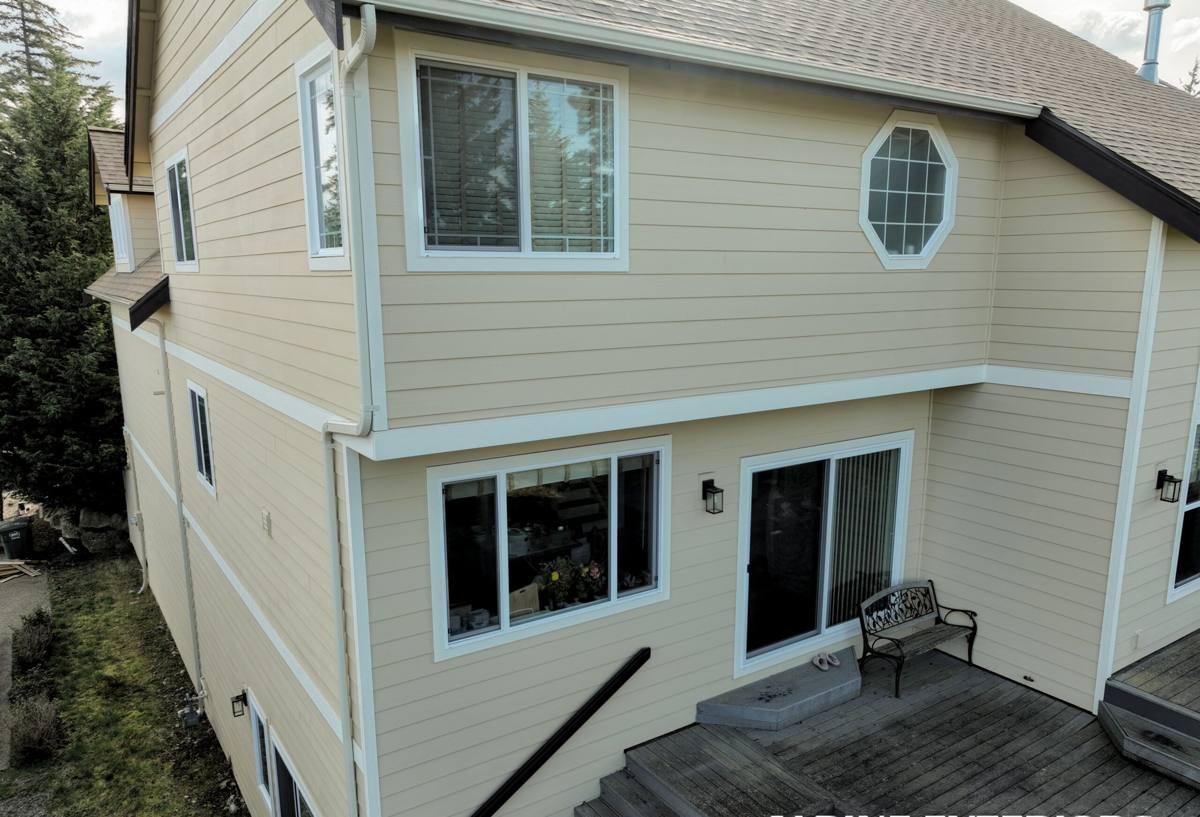
What Plant City's Climate Actually Does to a Deck
Heat and UV
Florida sun is relentless. Uncoated or poorly sealed wood decking will gray, split, and check within a couple of seasons if it isn't finished and maintained properly. Composite and PVC decking handle UV better, but not all composite products are created equal — cheaper caps fade unevenly and can get uncomfortably hot underfoot in direct summer sun.
Humidity and Moisture Cycling
Plant City's humidity means lumber never fully dries out between rain events. That constant swelling and shrinking is what loosens fasteners, opens up joints, and eventually causes warping in framing lumber that wasn't rated for ground contact or properly flashed where it meets the house.
Wind and Storm Load
Even away from the coast, Hillsborough County gets hit by tropical systems that bring sustained high winds and heavy, wind-driven rain. A deck's railings, stair stringers, and ledger board connection to the house all need to be engineered to resist uplift and lateral load, not just support the weight of people standing on it.
Salt Air — Less of a Factor Here, But Not Zero
Because Plant City is farther inland than beachside Tampa neighborhoods, salt air corrosion is less aggressive on hardware here than it is closer to the bay. That's a genuine advantage. It doesn't mean galvanized or coated fasteners are optional, though — the combination of humidity and rain still corrodes cheap hardware over time, just on a longer timeline.
Choosing Decking Material for This Climate
There's no single "best" decking material — there's a best fit for how a homeowner uses the space, how much upkeep they want to do, and their budget. Here's how the common options compare under Plant City conditions:
| Material | Heat Performance | Moisture Resistance | Maintenance | Typical Lifespan |
|---|---|---|---|---|
| Pressure-treated pine | Absorbs heat, moderate | Good if sealed regularly | Annual sealing/staining | 15-20 years with upkeep |
| Tropical hardwood | Dense, stays cooler than pine | Naturally resistant | Periodic oiling | 25+ years |
| Capped composite | Can run hot in full sun | Excellent, won't rot | Occasional washing | 25-30 years |
| PVC decking | Varies by brand/color | Excellent, fully moisture-proof | Minimal | 30+ years |
For a lot of Plant City homeowners, capped composite hits the sweet spot between low maintenance and cost. Homeowners who want a lower-maintenance deck near a pool or heavily shaded yard often lean PVC instead, since it handles standing moisture without swelling. We'll walk through the real trade-offs for a specific yard and budget rather than pushing one product across the board.
Structural Details That Matter More Than the Decking Itself
The boards on top get all the attention, but the framing underneath is what determines whether a deck lasts. In this climate, we pay particular attention to:
- Ledger board attachment and flashing — this is the single most common failure point on attached decks in humid climates, and it has to be properly flashed to keep water from getting behind the house siding.
- Ground-contact rated framing lumber, not standard treated lumber, for any post or beam near or in the soil.
- Joist hangers and structural connectors rated for the coastal/high-humidity environment, not standard interior-grade hardware.
- Hurricane ties or straps at key connection points to help the structure resist uplift in high wind.
- Footings sized and depth-set to meet Florida Building Code requirements for the wind zone, not just poured to "what's always worked."
- Stainless or hot-dip galvanized fasteners throughout — not just at the visible surface.
These details rarely get a second look from a homeowner, but they're the difference between a deck that's still solid in ten years and one that develops soft spots and wobbly railings in three or four.
Permits and Code in Hillsborough County
Most attached decks — and many freestanding ones over a certain height — require a building permit, along with inspections at the footing and framing stages before decking goes down. Permit requirements and setback rules can vary depending on whether a property falls under Plant City's municipal jurisdiction or unincorporated Hillsborough County, and whether the lot has any HOA restrictions on top of that. We handle the permitting and inspection scheduling as part of the job, so the homeowner isn't the one chasing down approvals or figuring out which jurisdiction applies.
Design Choices Worth Thinking Through
Layout and Size
Bigger isn't automatically better. The right footprint depends on how the space will actually be used — dining and grilling, lounge seating, or a simple transition space off a back door. Multi-level decks can work well on sloped lots but add framing complexity and cost.
Railings
Cable rail and aluminum balusters shed less debris and hold up better to humidity than painted wood railings, which tend to need repainting every couple of years in this climate.
Shade and Comfort
Given how much direct sun Plant City gets, a lot of homeowners add a pergola, shade sail, or plan the deck's orientation around existing tree cover to keep the space usable during the hottest part of the day.
How Our Process Works
- On-site visit to assess the yard, drainage, sun exposure, and how the deck ties into the existing structure.
- Material and layout discussion based on budget, maintenance preference, and intended use.
- Written estimate with a clear scope — no vague allowances.
- Permit filing and scheduling with the applicable jurisdiction.
- Framing and structural work, with inspections at the required stages.
- Decking, railing, and finish work.
- Final walkthrough before we consider the job done.
Keeping a Plant City Deck in Good Shape
Even a well-built deck needs some upkeep to get its full lifespan out of this climate. A simple annual routine goes a long way:
- Rinse off pollen, dirt, and organic buildup a few times a year — it holds moisture against the surface.
- Check fasteners and railing connections annually for looseness or corrosion.
- Reseal or restain wood decking on the manufacturer's recommended schedule, typically every 1-2 years.
- Keep gutters and downspouts clear so runoff isn't draining directly onto or under the deck.
- After any major storm, do a quick visual check of railings, stairs, and the ledger board area.
Why It Matters Who Builds It
A deck is one of those projects where shortcuts don't show up right away — they show up two or three years later, after the warranty conversation has already happened. A crew that regularly works in Plant City and the surrounding Hillsborough County area knows which framing details actually hold up here, which fastener grades are worth the extra cost, and how local permitting works, instead of applying a generic build spec that was designed for a drier or cooler climate.
What Affects the Cost of a Custom Deck
| Factor | Why It Matters |
|---|---|
| Size and layout complexity | Multi-level or irregular shapes require more framing labor and material |
| Decking material | Composite and PVC cost more upfront than pressure-treated wood but need less maintenance |
| Height and footing depth | Taller decks and code-required footing depths add structural cost |
| Railing style | Cable and metal systems cost more than basic wood balusters |
| Site access and grading | Sloped or hard-to-access yards add labor time |
| Permit and inspection scope | Attached decks generally require more inspection steps than freestanding ones |
Every yard is different, and a broad price range without seeing the site doesn't tell a homeowner much. We'd rather walk the property and give a real number based on what's actually there.
If you're planning a custom deck in Plant City, we're happy to come take a look and put together a straightforward, no-pressure estimate — just fill out the form below.