 Tampa Window
 Roof Replacement in Plant City: Built for What This Climate Actually Does
Plant City sits in the eastern stretch of Hillsborough County, far enough inland to dodge the worst of the coastal storm surge but still squarely in the path of everything else Tampa Bay weather throws around: hurricane-force wind gusts, months of intense subtropical UV, wind-driven rain that finds every gap in a roof system, and the salt-laced air that drifts in off the Gulf and Tampa Bay and settles on metal fasteners and flashing for miles inland. A roof here isn't just shedding water — it's holding up under a longer, harder combination of stressors than most of the country ever deals with. When it's time for a full roof replacement, the difference between a roof that lasts 20-plus years and one that starts failing at year eight almost always comes down to installation detail, not the shingle brand on the wrapper.
This page covers what a correct roof replacement looks like specifically for Plant City homes, what our process involves from first call to final inspection, and why it matters that the crew doing the work already knows this area.
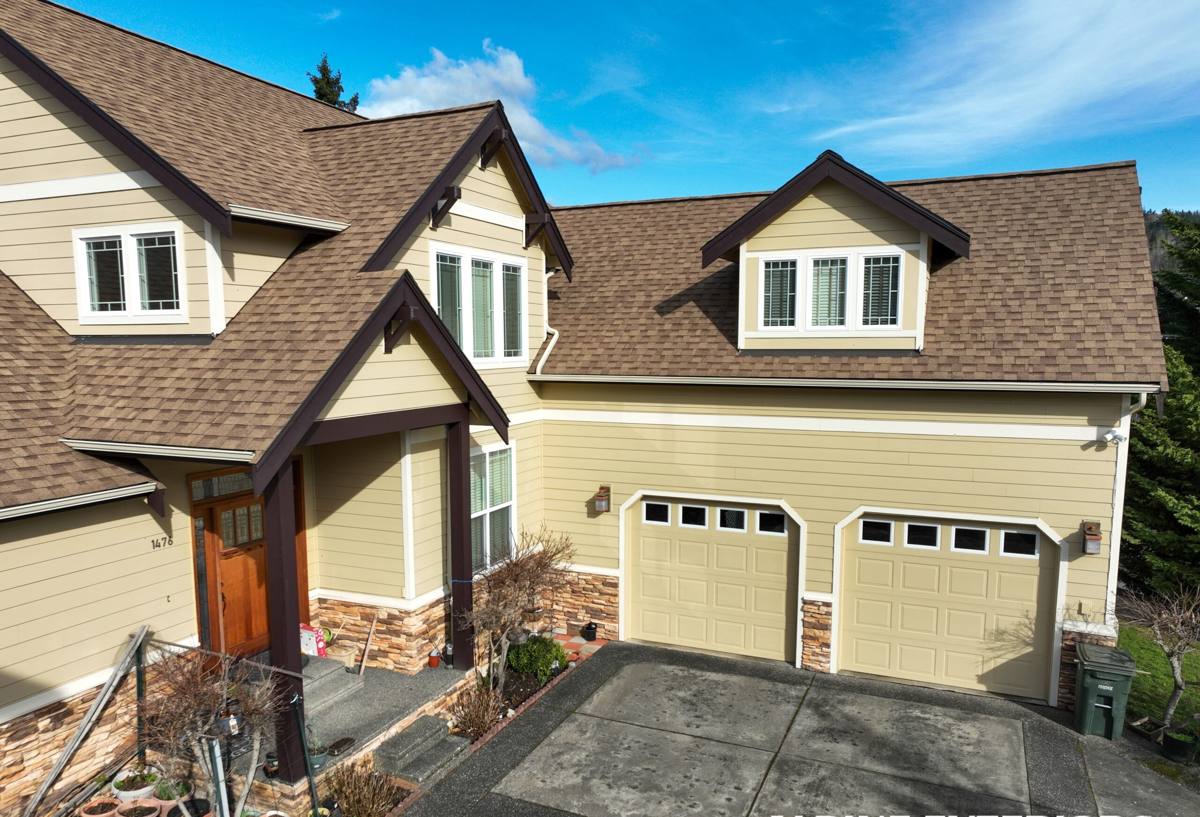
What Plant City Roofs Are Up Against
Wind
Hillsborough County sits in one of Florida's designated high-velocity hurricane zones for permitting purposes, and Plant City is no exception. That means a replacement roof isn't just a matter of picking a shingle you like — the entire assembly (deck attachment, underlayment, edge metal, shingle fastening pattern) has to meet wind-uplift requirements that are stricter than what you'd see in most of the country. Storms don't need to make direct landfall nearby to cause damage; a fast-moving system can put sustained wind and gusts on a roof from a hundred miles away.
UV and Heat
Central Florida gets brutal, sustained sun exposure nearly year-round. Asphalt shingles lose their oils and granules faster here than in cooler climates, and roofing materials that aren't rated for this kind of thermal cycling — hot days, sudden afternoon thunderstorms, repeat — degrade prematurely. Attic ventilation matters more here too, since poor airflow traps heat that bakes the underside of the deck and shingles simultaneously.
Wind-Driven Rain
Tampa Bay's afternoon storm pattern brings rain that doesn't fall straight down — it comes in sideways, driven by gusty outflow winds. That kind of rain finds weak points that a calm, vertical rainstorm never would: poorly lapped underlayment, undersized flashing, nail pops, and gaps around penetrations. A roof that's "fine" in a light rain can leak badly in a Plant City summer storm if the underlayment and flashing details weren't done right the first time.
Salt Air
Plant City is inland compared to Tampa's waterfront neighborhoods, but salt-laden air still travels well beyond the coastline, especially during onshore wind events. Over years, that salt accelerates corrosion on exposed fasteners, drip edge, and flashing — one more reason material choice and fastener quality matter more here than in a landlocked climate.
Signs a Plant City Home Needs a Full Replacement, Not Another Repair
- Shingles that are curling, cupping, or losing granules across large sections of the roof, not just one isolated spot
- Repeated leaks in different locations after storms, even after prior patch repairs
- A roof that's approaching or past its expected service life (typically 15-20+ years for asphalt shingle in this climate, depending on the original installation quality)
- Visible sagging in the roof deck, which can indicate underlying structural or moisture damage
- Missing or damaged shingles after a wind event, especially if it's happened more than once
- Daylight visible through the attic decking, or consistent moisture/mold smell in the attic
- An insurance inspection or claim that flagged the roof's condition
A patch repair can buy time on a localized problem, but once damage is spread across the roof or the underlying deck and underlayment are compromised, a full replacement is the only way to actually reset the clock rather than keep chasing leaks.
What a Correct Roof Replacement Actually Involves
A roof replacement is more than swapping old shingles for new ones. Here's what should happen on a properly done job:
1. Tear-Off and Deck Inspection
The old roofing material comes off down to the deck, and the deck itself gets inspected board by board. Any wood that's soft, delaminated, or water-damaged needs to be replaced before anything new goes down — covering over a compromised deck is one of the most common shortcuts that leads to early failure.
2. Underlayment
Given how much wind-driven rain this region sees, underlayment choice and installation matter enormously. A synthetic or self-adhering underlayment, properly lapped and sealed at penetrations, is the actual waterproofing layer beneath the shingles — the shingles are the first line of defense, but the underlayment is what keeps a home dry if wind ever drives water underneath them.
3. Flashing
Valleys, chimneys, skylights, and wall intersections all need properly formed and sealed flashing. This is one of the most common places for shortcuts, and one of the most common sources of leaks on an otherwise "new" roof.
4. Fastening for Wind Uplift
Given Hillsborough County's wind requirements, shingles and underlying components need to be fastened according to the manufacturer's high-wind specification and local code — correct nail count, placement, and pattern, not just "enough nails to hold it down."
5. Ventilation
Proper intake and exhaust ventilation keeps attic temperatures and moisture in check, which protects both the new roofing material and the home's energy efficiency. This gets overlooked more often than it should.
6. Final Details
Drip edge, ridge caps, pipe boots, and cleanup all matter. Corrosion-resistant fasteners and flashing metals are worth the small extra cost in a coastal-influenced climate like this one.
Material Options: An Honest Comparison
| Material | Typical Lifespan Here | Wind Performance | Trade-Offs |
|---|---|---|---|
| Architectural asphalt shingle | 18-25 years | Good, when rated and installed for high-wind spec | Most common, cost-effective, wide color range; needs correct fastening to perform in this wind zone |
| 3-tab asphalt shingle | 12-18 years | Lower wind rating than architectural | Lower upfront cost, but shorter service life under this region's UV and wind load |
| Metal (standing seam or panel) | 40+ years | Excellent when properly fastened | Higher upfront cost; requires an installer experienced with metal-specific detailing to avoid leaks at seams and penetrations |
| Tile (concrete or clay) | 40-50+ years | Good, but individual tiles can crack or dislodge in severe wind if not properly secured | Heavier system requiring adequate structural support; repairs require matching tile stock |
We don't push one material as universally "best." The right choice depends on the home's structure, the homeowner's budget, and how long they plan to stay in the house. What we won't do is install any of these systems with shortcuts — a mismatched underlayment, wrong fastening pattern, or improper flashing detail will undermine even the best material.
Our Process for a Plant City Roof Replacement
- Inspection and estimate. We walk the roof, check the deck condition where accessible, and give a straightforward written estimate — no pressure, no inflated scare tactics.
- Material selection. We go over the realistic options for the home, budget, and how long the roof needs to perform, including honest trade-offs for each.
- Permitting. Roof replacements in Hillsborough County require a permit and inspection sign-off. We handle that paperwork as part of the job.
- Tear-off and deck repair. Old material comes off, the deck gets inspected, and any damaged sections are replaced before moving forward.
- Underlayment, flashing, and shingle or panel installation. Installed to manufacturer high-wind specifications and local code.
- Final walkthrough and inspection. We review the completed job with the homeowner and coordinate the required county inspection.
Why a Local Tampa Crew Matters for This Job
Roofing crews that work Plant City and the surrounding Tampa area regularly already understand the specific wind and permitting requirements Hillsborough County enforces, and they've seen firsthand how a roof holds up (or doesn't) after a few Florida summers and storm seasons. That's different from a crew that mainly works a different climate and treats every roof the same regardless of region.
A local crew also means faster response if something needs attention after a storm, familiarity with the county's inspection process so there are no permitting surprises, and accountability — we're not disappearing to the next state over once the invoice is paid.
What to Ask Before Hiring Anyone for a Roof Replacement
- Are you licensed and insured to work in Florida, and can you provide proof?
- Will the underlayment and fastening pattern meet the wind-uplift requirements for this county?
- Who pulls the permit, and who's present for the required inspection?
- What's the manufacturer's warranty, and does it require a certified installer to stay valid?
- What happens to the old roofing material and debris — is disposal included?
- Is there a written, itemized estimate before work begins?
Any legitimate roofing contractor should be able to answer every one of these without hesitation.
Timing a Replacement Around Florida's Storm Season
Hurricane season runs June through November, and scheduling a roof replacement well before or well after peak season, when possible, reduces the risk of a job getting interrupted or delayed by weather. That said, roofs don't always wait for convenient timing — if a roof is actively failing or storm-damaged, the priority shifts to getting it properly repaired or replaced as soon as scheduling allows, storm season or not.
Get a Straightforward Estimate
If a Plant City roof is showing its age, took storm damage, or just hasn't had an honest inspection in a while, we're happy to take a look. We'll tell you plainly whether a repair makes sense or whether a full replacement is the better long-term investment — no pressure, no inflated urgency. Use the form below to request a free, no-obligation estimate.