 Tampa Window
 Storm Damage Roof Repair for Plant City Homes
Plant City sits inland from Tampa Bay, but "inland" doesn't mean "sheltered." Every summer and fall, this part of Hillsborough County gets hit with the same tropical systems, squall lines, and afternoon thunderstorms that batter the coast — the wind just arrives with less warning and, often, less attention paid to it afterward. A roof that took damage during a fast-moving storm in Plant City can look fine from the driveway and still be letting water into the attic a week later. That gap between "looks okay" and "is okay" is where most of the expensive roof problems we get called out for actually start.
This page covers what storm damage roof repair actually involves for homes in this area, what we look for, and how we handle the job from the first call to the final inspection.
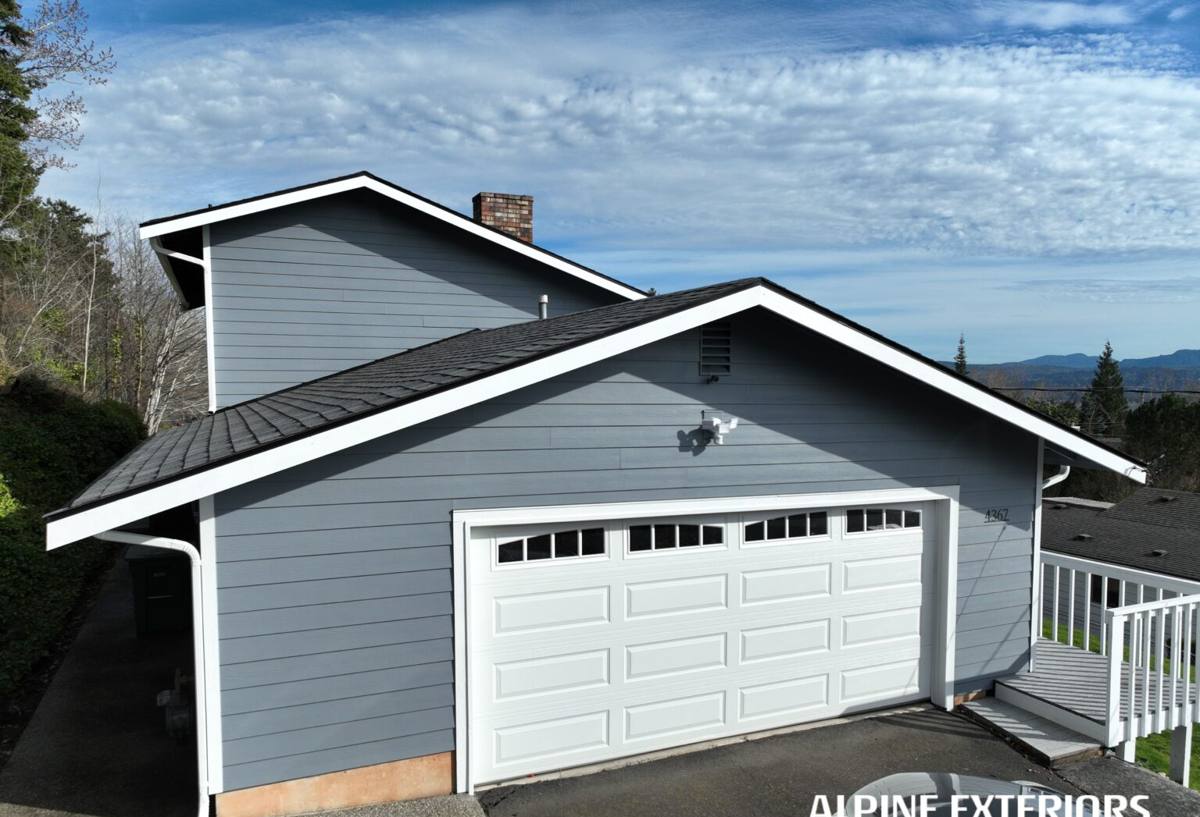
What Plant City's Weather Actually Does to a Roof
Being roughly 20-plus miles inland from the Gulf, Plant City doesn't take the same direct salt-air corrosion that flashing and fasteners see on the barrier islands or waterfront neighborhoods closer to Tampa. That's a genuine advantage. But everything else in our regional climate still applies here, and in some ways it hits harder because storms moving inland from the coast or up from the interior can spin up sudden straight-line wind gusts and localized microbursts that are just as damaging as coastal wind — sometimes more concentrated.
The main stressors on a Plant City roof
- Wind uplift — gusts during tropical storms, hurricanes, and even strong summer thunderstorms can get up and under shingle edges and ridge caps, especially on roofs that are already a few years past their prime.
- Wind-driven rain — Florida rain rarely falls straight down during a storm. It's pushed sideways under shingles, around vents, and into any gap in flashing.
- Year-round UV exposure — Florida sun bakes asphalt shingles and dries out sealant strips faster than in most of the country, which means shingles that might otherwise flex and hold up under wind become brittle and crack instead.
- Hail, less often but not rare — inland thunderstorm cells can produce small hail that bruises shingles without punching a hole through them, which is exactly the kind of damage that's easy to miss without a close inspection.
The combination matters more than any single factor. A roof that's spent several summers under intense UV is more vulnerable the next time a storm's wind gets under a weakened shingle edge — the two conditions compound each other over the life of the roof.
What Counts as Storm Damage (and What Doesn't)
Not every roof issue that shows up after a storm was actually caused by that storm, and being upfront about that distinction is part of doing this job honestly — it also matters for insurance, which we'll get to below.
Signs that typically point to storm damage
- Shingles that are cracked, creased, or missing entirely, especially along ridges, hips, and roof edges where wind uplift concentrates
- Granule loss showing up in gutters or downspouts after a specific storm event
- Bent, lifted, or missing flashing around chimneys, vents, and skylights
- New or worsening water stains on interior ceilings following a heavy wind-and-rain event
- Visible hail bruising — small dark spots where granules have been knocked loose in a soft, circular pattern
Signs that are usually age or maintenance, not storm damage
- Uniform granule loss across the whole roof, which points to normal wear from years of UV exposure rather than one event
- Shingles curling at the edges roof-wide, which is typically age and heat cycling, not wind
- Long-term staining or moss/algae streaking that's been building for a while
Part of what we do on every inspection is sort out which category we're actually looking at, because that answer changes both the repair plan and how an insurance claim should be handled.
The Cost of Waiting
A damaged roof rarely stays a small problem if it's ignored. Even a handful of lifted or missing shingles gives the next round of wind-driven rain a direct path to the decking underneath. Once water gets past the shingle layer, it can travel sideways along the decking before it ever shows up as a ceiling stain — meaning by the time you see a spot on the drywall, the damage has often spread further than that one location.
In Hillsborough County's climate, wet decking and insulation don't just cause cosmetic damage. Sustained moisture leads to wood rot, mold growth, and in older homes, damage to the roof structure itself. A repair that would have cost a few hundred dollars right after a storm can turn into a decking replacement or a mold remediation job a few months later. This is the single biggest reason we push people to get a post-storm inspection even when nothing looks obviously wrong.
What a Proper Storm Damage Roof Repair Involves
A correct repair isn't just replacing the shingles that are visibly gone. It's a sequence of checks that makes sure the repair actually holds up through the next storm instead of failing again in the same spot.
- Full-roof inspection, not just a look at the area you called about — wind damage is often worse near ridges and edges than in the middle of a slope, and it's common to find a second problem area the homeowner didn't notice.
- Decking check underneath any area where shingles are missing or where staining has appeared inside, to confirm the plywood underneath hasn't already taken on water damage.
- Underlayment assessment — the water-resistant barrier under the shingles is what actually keeps a roof dry during wind-driven rain, and it needs to be intact and properly lapped, not just present.
- Flashing repair or replacement around any penetration point — chimneys, vents, skylights — since flashing failure is one of the most common sources of a leak that gets blamed on "the shingles."
- Matching shingle repair using materials that match the existing roof as closely as possible in style and color, so the repair doesn't stand out as a patch.
- Sealing and fastening to code — proper nail placement and sealant application matter more in wind-prone areas than in calmer climates, since a poorly fastened shingle is next storm's missing shingle.
Skipping any of these steps is how a "fixed" roof ends up leaking again during the next named storm.
Our Process for Plant City Homeowners
1. Inspection and documentation
We start with a full inspection of the roof, both from the ground and up close, and document what we find with photos. This documentation matters whether or not you end up filing an insurance claim — it gives you a clear record of the roof's condition right after the storm.
2. Honest assessment
We tell you plainly whether what we're looking at is storm damage, pre-existing wear, or a mix of both. If a repair is all that's needed, we say so. If the damage is extensive enough that repair would just be a stopgap before a larger problem, we tell you that too.
3. A written scope and estimate
Before any work starts, you get a clear explanation of what needs to be done, why, and what it will cost — no vague line items.
4. The repair itself
We work efficiently because in Florida, an open roof section is a liability every hour it's exposed, especially with more weather potentially on the way. We tarp and protect any open area immediately if a full repair can't be completed same-day.
5. Final walkthrough
Once the repair is done, we walk the roof again and go over the work with you before we consider the job finished.
Repair vs. Replacement: What Actually Drives the Decision
Homeowners often assume storm damage automatically means a full roof replacement, or on the flip side, that a repair will always be enough. Neither assumption is reliable — it depends on the roof's age, the extent of the damage, and how much of the roof is affected.
| Factor | Leans Toward Repair | Leans Toward Replacement |
|---|---|---|
| Roof age | Under 10-12 years old | Nearing or past the shingle's rated lifespan |
| Extent of damage | Isolated to one section or slope | Spread across multiple roof planes |
| Decking condition | Dry, solid decking under damaged shingles | Soft, water-damaged, or rotted decking found |
| Shingle match availability | Matching shingles still available | Discontinued style, patch would look mismatched |
| Storm history | First significant damage event | Repeated repairs to the same areas over time |
We walk through these factors with you directly rather than defaulting to whichever option costs more. A repair that's done correctly can add years of reliable service to a roof that isn't ready for full replacement.
Insurance Claims: What to Know Before You Call
Storm damage is one of the more straightforward types of roof claims, but insurers still scrutinize them closely, especially in Florida given how many roof claims the industry processes here every hurricane season.
- Document damage as soon as it's safely possible to do so — photos taken close to the storm date carry more weight than an inspection weeks later.
- Get an independent inspection from your roofer, separate from the insurance adjuster's visit, so you have your own record of what was found.
- Be wary of any contractor who asks you to sign over your insurance claim (an "assignment of benefits") before they've even inspected the roof — you should control your own claim.
- Understand your policy's distinction between actual cash value and replacement cost coverage, since it affects what you're paid and when.
We're a roofing contractor, not a public adjuster or attorney, and we won't pretend to be either — but we can give you an honest, documented assessment of the roof damage that supports whatever claim you decide to file.
Why It Matters That We Already Work in Plant City
A crew that's already familiar with this part of Hillsborough County isn't guessing at what kind of storm exposure a given neighborhood has seen, what roofing materials and ages are typical for homes built in different decades around here, or how quickly local permitting moves when a repair needs a permit pulled. That familiarity shortens the time between your call and a completed, code-compliant repair — which matters most right when you need it most, in the days after a storm when everyone in the area is trying to get a roofer out at once.
A Quick Storm-Damage Checklist
After any significant wind or hail event, it's worth doing a quick check even if nothing seems obviously wrong:
- Walk the property line and look up at the roof edges and ridge line for anything visibly lifted, cracked, or missing
- Check gutters and the ground around downspouts for granules or shingle fragments
- Look in the attic (if accessible) for new light penetration, damp insulation, or water staining on the underside of the decking
- Check ceilings in the top-floor rooms for new discoloration or soft spots
- Note the date and general conditions of the storm for your own records, in case you need it for a claim later
- Call for an inspection promptly rather than waiting to see if a small leak "goes away" on its own
If you'd like an honest look at your roof after a recent storm, or just want a baseline inspection before hurricane season catches you off guard, we're glad to come take a look. The estimate is free, there's no pressure attached to it, and you'll get a straight answer either way — just fill out the form below to get started.