 Tampa Window
 Why Plant City Roofs Take a Beating
Plant City sits inland from Tampa Bay, but "inland" doesn't mean sheltered. When a hurricane or tropical system moves through Hillsborough County, sustained wind speeds and gusts don't drop off meaningfully until well past Plant City's borders. Add in the daily reality of Florida living — intense year-round UV that bakes shingles and breaks down sealants, sudden wind-driven rain that finds every weak flashing point, and the salt-laden moisture that storms can carry inland from the Gulf — and you've got a climate that is genuinely hard on a roof. This isn't a place where a roof can be an afterthought.
A roof installed correctly for this climate looks different from one installed for a mild, dry region. Every layer of the system — decking, underlayment, flashing, fasteners, ventilation — has to be chosen and installed with wind uplift, water intrusion, and heat cycling in mind. Cutting corners on any one of these doesn't show up on day one; it shows up during the first real storm.
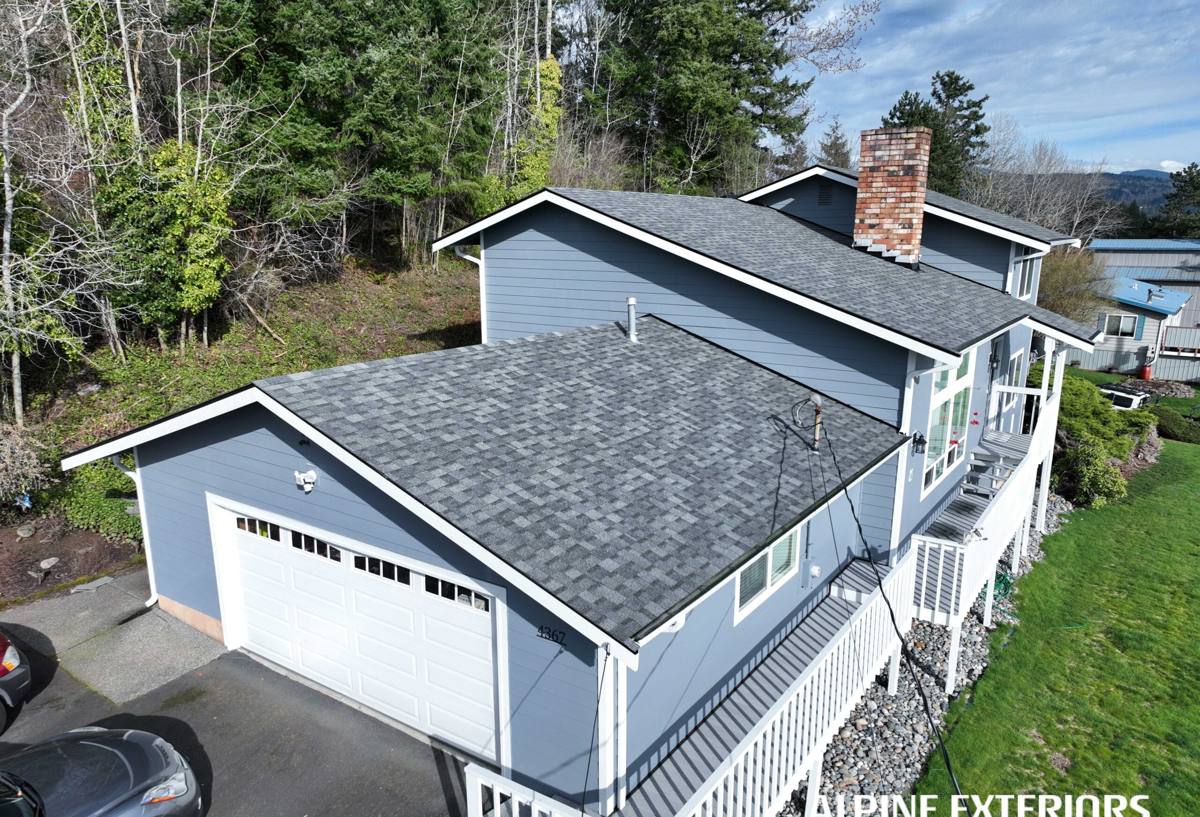
What a Correct New Roof Installation Actually Involves
A new roof is more than shingles nailed to plywood. It's a layered system, and each layer does a specific job.
Tear-Off and Deck Inspection
We remove the old roofing material down to the deck rather than layering over it. This lets us actually see the plywood or OSB underneath — soft spots, rot, or delamination from old leaks have to be found and replaced before anything new goes down. Installing a new roof over a compromised deck is one of the most common ways a "new" roof fails early.
Underlayment and Flashing
In a climate with wind-driven rain, the underlayment is your real waterproofing layer, not just a backup. Self-adhering, high-wind-rated underlayment at eaves, valleys, and penetrations matters far more here than in drier climates. Flashing around chimneys, skylights, walls, and vents is where most roof leaks actually originate — not the field shingles themselves — so this detail work gets as much attention as the visible surface.
Ventilation
Florida attics run hot. Proper intake and exhaust ventilation keeps attic temperatures and moisture in check, which protects the decking from the underside and helps keep cooling costs from creeping up. A new roof is the right time to correct ventilation that was never adequate in the first place.
Choosing the Right Roofing Material for Plant City
There's no single "best" material — the right choice depends on your home's structure, your budget, and how long you plan to stay in the house. Here's how the common options compare for this climate.
| Material | Wind Performance | Typical Lifespan | Considerations |
|---|---|---|---|
| Architectural (laminate) shingles | Good, when installed with high-wind fastening patterns | 20–30 years | Most affordable, widest color/style range, straightforward repairs |
| Concrete or clay tile | Excellent when properly fastened and underlayment is sound | 40–50+ years | Higher upfront cost, heavier — requires structure to support it, underlayment failure is the usual weak point, not the tile |
| Standing seam metal | Excellent, especially with concealed fasteners | 40–50+ years | Higher upfront cost, handles UV and heat well, low long-term maintenance |
We generally steer homeowners away from three-tab shingles on new installations in this area — not because they're a bad product outright, but because their lighter weight and lower wind rating make them a poor match for this wind climate compared to architectural shingles at a similar price point. That's a professional standard we hold, not a knock on any manufacturer.
Signs Your Roof Needs Full Replacement, Not Another Repair
Plenty of roofs get patched for years past the point where patching still makes financial sense. Some signs it's time to talk replacement instead of another repair call:
- Granule loss heavy enough that shingles look patchy or bald in spots
- Shingles curling, cupping, or cracking across multiple areas of the roof
- Repeated leaks in different locations rather than one recurring spot
- Soft or spongy spots underfoot, or on the decking when accessed from the attic
- Roof is 20+ years old and has never been fully replaced
- Visible sagging along the roofline
- Daylight visible through the roof boards from inside the attic
- Missing or lifted shingles after every significant storm, even after repairs
- Steadily rising cooling bills with no other explanation
Permits, Wind Codes, and Inspections in Hillsborough County
New roof installations in Hillsborough County require a permit and are governed by the Florida Building Code's wind provisions for this region. In practice, that means roofing materials have to carry a wind rating appropriate for the local design wind speed, and installation details — fastener count and pattern, underlayment type, edge and valley treatment — aren't optional extras, they're code minimums. On steep-slope roofs in high-wind areas, a six-nail fastening pattern per shingle is common instead of the standard four, and it has to be documented.
A permitted roof also means a county inspector signs off on the work at the required stages — typically after dry-in (deck and underlayment) and again at final completion. That inspection record matters later, both for insurance claims after a storm and for resale, since buyers and their agents routinely ask for roof permit history on Florida homes.
Our Plant City Installation Process
- Inspection and estimate. We look at the existing roof, deck condition where accessible, attic ventilation, and any problem areas, then walk through material options and a written price.
- Permit and material order. We pull the permit with Hillsborough County and order materials sized to your roof's exact measurements.
- Tear-off and deck repair. Old material comes off, the deck is inspected, and any compromised plywood is replaced before anything new is installed.
- Dry-in and flashing. Underlayment goes down first, followed by new flashing at every penetration, valley, and wall intersection.
- Installation. Shingles, tile, or metal panels are installed to manufacturer and code specifications, including the correct fastening pattern for this wind zone.
- Final inspection and cleanup. The county inspector signs off, and the property is cleared of debris and old material — including a magnetic sweep for stray nails.
Why a Local Plant City Crew Matters
A crew that already works in and around Plant City knows the Hillsborough County permitting process without a learning curve, understands what inspectors here are actually checking for, and has seen how local roof types tend to age in this specific mix of heat, humidity, and storm exposure. That familiarity shortens the permit-to-completion timeline and reduces the odds of a failed inspection over a detail an out-of-area crew might miss.
There's also a practical, storm-season reason to hire local: when a hurricane or major storm event hits the Tampa Bay area, roofing demand spikes overnight, and crews from outside the region are often unavailable or booked solid. A local crew with an established presence in Plant City is easier to reach for follow-up service, warranty questions, or post-storm inspection years after the original install.
Cost Factors to Expect
Every roof is priced individually, but the same handful of factors drive most of the variation between one job's cost and another's.
| Factor | Why It Affects Cost |
|---|---|
| Roof size and complexity | More squares, more valleys, and more penetrations mean more material and labor time |
| Roof pitch | Steeper roofs are slower and riskier to work, which affects labor |
| Material choice | Architectural shingles, tile, and metal have significantly different material and installation costs |
| Deck condition | Rotted or delaminated plywood found during tear-off adds repair cost that can't be estimated until the old roof is off |
| Number of existing layers | Removing multiple layers of old roofing takes more labor than a single-layer tear-off |
| Ventilation and code upgrades | Bringing older ventilation or flashing up to current code standards adds scope but improves long-term performance |
We give a written, itemized estimate before any work starts, and if we find deck damage during tear-off, we show it to you before repairing it — no surprise charges added after the fact without your sign-off.
Warranty and Long-Term Care
A new roof typically carries two separate warranties: a manufacturer's warranty on the material itself, and a workmanship warranty from the installing contractor covering the labor. Both matter, and it's worth understanding what each actually covers before you sign anything — manufacturer warranties on materials generally don't cover a leak caused by an installation error, which is exactly why the installer's own workmanship warranty exists.
After installation, a roof still benefits from periodic checks — especially after major storms — to catch lifted flashing, debris buildup in valleys, or storm damage early, before it turns into a deck-level problem. We're glad to talk through what a reasonable maintenance routine looks like for whatever material you choose.
If your Plant City home needs a new roof, or you're not sure yet whether repair or replacement makes more sense, we're happy to take a look and give you a straight answer. Fill out the form below for a free, no-pressure estimate.