 Tampa Window
 Siding Built for Plant City's Weather, Not Just Its Curb Appeal
Plant City sits on the eastern edge of Hillsborough County, far enough inland to avoid the worst of the coastal salt spray but squarely in the path of everything else Tampa Bay's climate delivers: long stretches of intense summer UV, sudden downpours that drive rain sideways against exterior walls, and the tropical storm and hurricane winds that pass through the region nearly every season. Siding here isn't a cosmetic upgrade. It's the single largest piece of your home's weather envelope, and it has to hold up to sun, water, and wind at the same time, year after year.
When siding fails in this climate, it rarely fails all at once. It fades unevenly on the sun-facing walls first. It softens at the bottom courses where sprinklers and rain repeatedly wet the material. It loosens at the edges where wind has worked at fasteners and seams for a few storm seasons. By the time damage is visible from the street, moisture has often already reached the sheathing behind it. Replacing siding correctly in Plant City means addressing all three stressors — sun, water, wind — not just swapping out old panels for new ones in the same style.
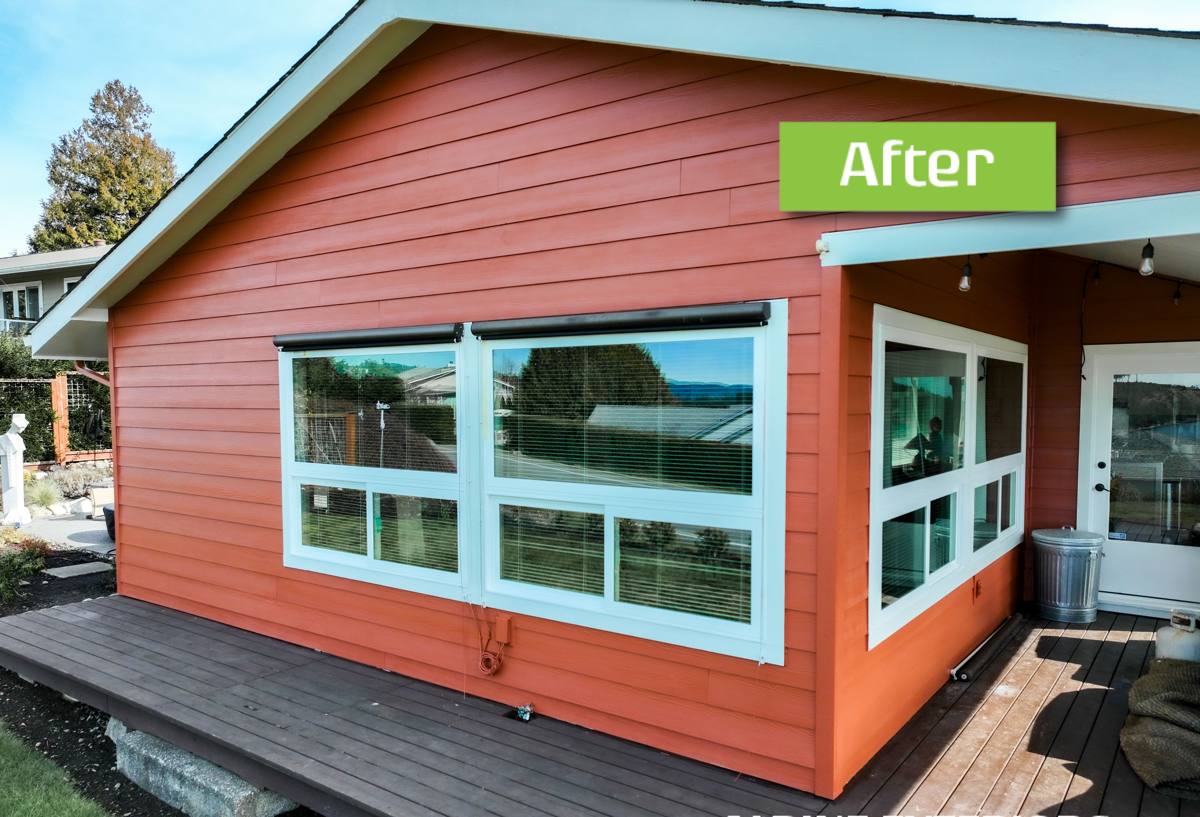
What Plant City Homes Actually Need From Their Siding
Heat and UV Exposure
Plant City's open, sunny lots mean many homes get full sun exposure on at least one full side of the house for most of the day. Cheaper siding materials and paint systems chalk, fade, or become brittle under that kind of sustained UV load. A siding product with a factory-applied, UV-stable finish holds its color and its flexibility far longer than field-painted materials, which matters more here than in a shadier, cooler climate.
Wind-Driven Rain and Humidity
Central Florida's rain doesn't just fall — it blows. Wind-driven rain forces water sideways into seams, laps, and fastener points that a vertical-only rain design was never meant to handle. Combine that with Tampa Bay's humidity, and any siding material that absorbs moisture or swells and shrinks with wet-dry cycles is fighting a losing battle. The material itself needs to be dimensionally stable and resistant to moisture intrusion, not just water-shedding on the surface.
Storm and Hurricane-Force Wind
Every hurricane season, Hillsborough County sees tropical storm-force winds at minimum, and Plant City is not exempt just because it's inland. Wind uplift at panel edges and corners is one of the most common causes of siding failure during storms. Correct fastening patterns, starter strips, and manufacturer-specified nailing are what keep siding on the wall when gusts hit — not just the material choice, but how it's installed.
Why We Install Only James Hardie Fiber Cement
We get asked regularly why we don't offer vinyl, LP SmartSide, Cemplank, Allura, or primed wood siding options. The honest answer is that we standardized on James Hardie fiber cement because, installed correctly, it holds up to exactly the three stresses described above better than the alternatives, and we'd rather install one product system extremely well than offer five options and cut corners on any of them.
- Non-combustible core: Fiber cement doesn't burn, which matters in a state where wildfire and lightning-strike home fires both occur, and which many insurers factor into premiums.
- ColorPlus factory finish: Baked-on color resists the fading and chalking that field-applied paint suffers under Florida's UV load, and it's backed by its own finish warranty separate from the product warranty.
- HZ5 climate-engineered formulation: Hardie's HZ product lines are engineered specifically for high-humidity, moisture-prone climates like ours — that's an actual formulation difference, not marketing language.
- Dimensional stability: Fiber cement doesn't swell, warp, or rot the way wood-based products can when repeatedly wetted, which is a real consideration with Plant City's summer storm pattern.
- Strong transferable warranty: A warranty that can transfer to a new owner protects your investment even if you sell the home before the siding's usable life is up.
To be fair to the alternatives: vinyl is inexpensive and easy to install, LP SmartSide has genuinely improved its engineered-wood formulation over the years, and primed wood siding can look beautiful when it's new. But vinyl distorts and becomes brittle under sustained heat and impact, engineered wood products still rely on a wood-strand core that is more moisture-sensitive than fiber cement, and primed wood needs a repainting cycle that most homeowners underestimate. Those are real trade-offs, not defects — they're just trade-offs we decided not to build our business around.
What a Correct Siding Replacement Job Involves
Replacing siding is not just removing old panels and hanging new ones. A correct job on a Plant City home involves several stages most homeowners never see once the new siding is up:
- Full removal and inspection: Old siding comes off the entire wall section (not spot-patched), exposing the sheathing and framing underneath for inspection.
- Sheathing repair: Any water-damaged or rotted sheathing found during removal gets replaced before anything new goes up — covering damaged sheathing with new siding just hides a problem.
- Weather-resistive barrier: A correctly lapped and sealed house wrap or building paper goes on to manage any moisture that gets past the siding surface.
- Flashing at every penetration: Windows, doors, vents, and utility penetrations all get proper flashing details, since these are the most common points where wind-driven rain finds a way in.
- Manufacturer-specified fastening: Nailing patterns, fastener type, and spacing follow James Hardie's published installation specifications, which is what preserves both wind performance and warranty coverage.
- Trim, caulking, and finishing: Corners, trim boards, and joints are sealed with the correct sealants and finished to shed water rather than trap it.
Skipping any one of these steps is how siding jobs that look fine on install day end up with rot or wind failure a few years later.
Comparing the Common Siding Options
| Material | UV/Fade Resistance | Moisture Behavior | Wind Performance (installed to spec) | Maintenance Burden |
|---|---|---|---|---|
| James Hardie Fiber Cement | Strong (factory ColorPlus finish) | Dimensionally stable, does not rot | Strong, rated systems available | Low |
| Vinyl | Fades and can become brittle over time | Doesn't rot, but can warp/distort with heat | Can loosen or crack at fastener points in high wind | Low, but limited repair options |
| LP SmartSide (engineered wood) | Moderate, needs field finish upkeep | Wood-strand core, moisture-sensitive at cut edges | Good when installed to spec | Moderate |
| Primed Wood/Cedar | Requires repainting on a cycle | Prone to swelling, rot without upkeep | Good, but fasteners loosen with wood movement | High |
Our Process for a Plant City Siding Replacement
Every project starts with an on-site inspection, not a phone estimate. We walk the exterior, check for existing moisture damage, and look at sun and wind exposure on each side of the house before recommending a scope of work. From there:
- We provide a written estimate that spells out material, labor, and any sheathing repair contingencies up front.
- We handle permitting through Hillsborough County/City of Plant City as required for exterior siding work.
- We remove old siding in sections to limit how long sheathing is exposed to weather.
- We install per James Hardie's published specifications, not a generic "similar enough" method.
- We do a final walkthrough with you before calling the job complete.
Why Hiring a Crew That Already Works Plant City Matters
A crew that regularly works Plant City and the surrounding Tampa Bay area already understands the local permitting process, knows what wind-rated fastening actually looks like on a real jobsite (not just on paper), and has seen firsthand how sun exposure and storm patterns play out on homes in this specific area. That local familiarity shows up in small but important ways: knowing which sides of a typical Plant City lot take the harshest afternoon sun, understanding how the area's storm track affects wind direction against exterior walls, and being available for warranty follow-up because we're not driving in from another market. Siding is a long-term investment in your home's protection — it's worth having it installed by a crew that's still going to be local when you need them.
Signs Your Plant City Home May Need Siding Replacement
- Visible warping, buckling, or soft spots when pressed gently by hand
- Paint or finish that's peeling, chalking heavily, or fading unevenly by wall orientation
- Cracked or missing panels after a storm season
- Rising energy bills that suggest a compromised weather barrier
- Visible gaps at seams, corners, or trim where daylight or water can get through
- A musty smell or discoloration on interior walls that back up to exterior siding
If you're seeing any of these signs on your Plant City home, or your siding is simply due for an honest assessment, we'll come take a look and give you a straightforward, no-pressure estimate — just fill out the form below to get started.