 Tampa Window
 Deck Building in Plant City: Built for How This Climate Actually Behaves
Plant City sits inland from the bay but doesn't escape what Hillsborough County throws at outdoor structures. Between the summer humidity, the intense year-round UV exposure, and the wind-driven rain that comes through with every serious storm, a deck here works harder than a deck almost anywhere outside the Gulf Coast. A deck that's framed, fastened, and finished the way it should be for this area will hold up for decades. One that's built to a generic national spec, or thrown up fast during storm season, usually starts showing problems within a few years — cupping boards, rusted fasteners, soft spots at the ledger, rail posts that wobble.
This page is about what a deck actually needs to survive and perform in Plant City specifically, what a correct build looks like, and how we approach the work when we're out on your property.
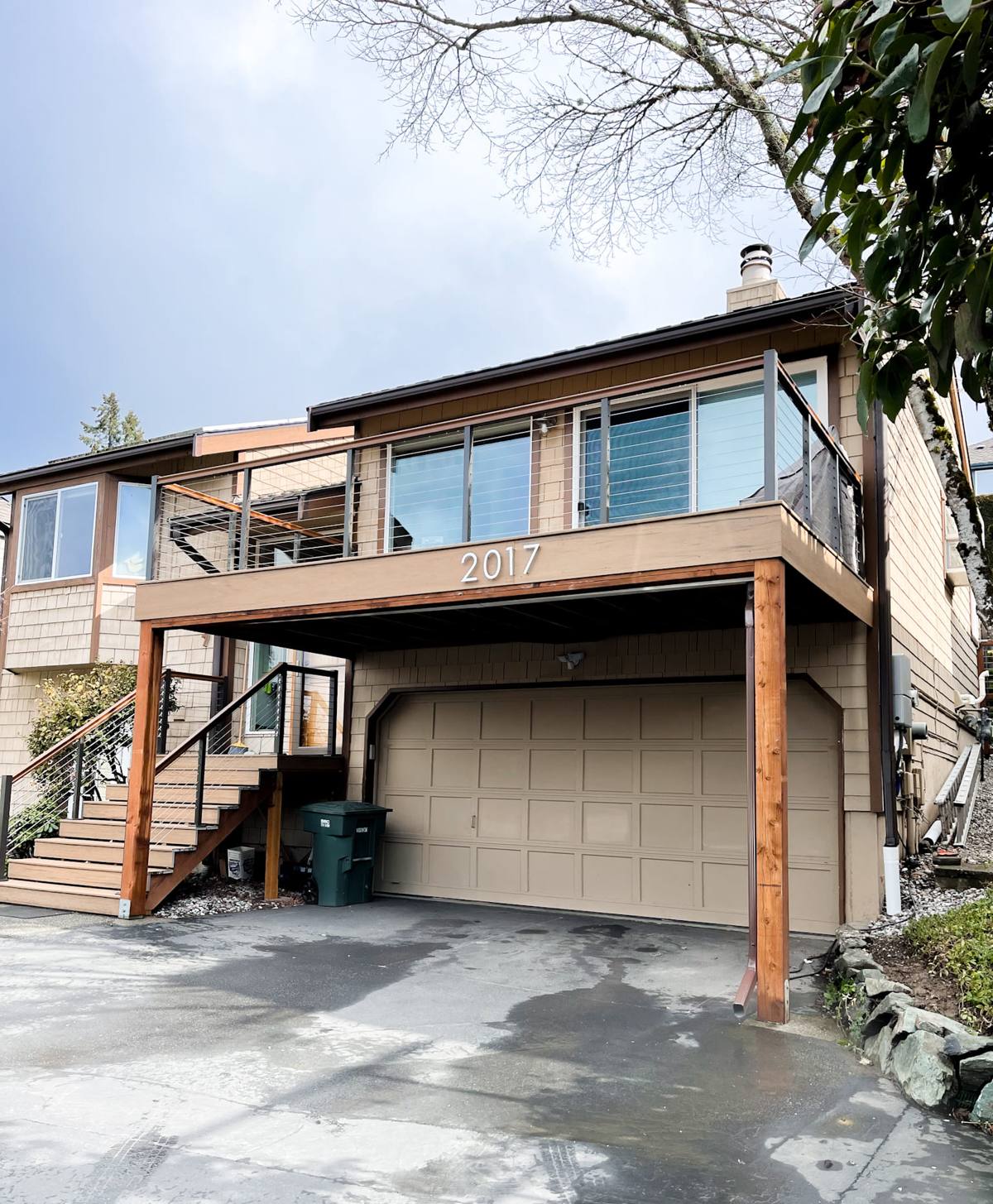
What Plant City's Climate Does to an Outdoor Deck
Plant City doesn't get the direct salt air that oceanfront Tampa Bay properties deal with, but it gets nearly everything else in full force:
- Intense, year-round UV — Florida sun breaks down wood fibers, dries out finishes, and fades composite decking faster than in most of the country. Unprotected or poorly sealed wood grays and splinters within a couple of seasons.
- Heat and humidity swings — wood expands and contracts constantly through Tampa's humid summers and drier winters. Boards installed without proper gapping cup, warp, or buckle at the seams.
- Wind-driven rain — Central Florida's afternoon storms and tropical systems drive rain sideways and underneath structures, not just straight down. Ledger connections, joist hangers, and any hidden framing need real flashing and moisture management, not just caulk.
- Hurricane-force wind loading — even well inland, Plant City is squarely in the path of tropical systems moving through Hillsborough County. Railings, post connections, and structural fasteners all need to be rated for uplift and lateral load, not just vertical weight.
- Ground moisture and termite pressure — Florida's water table and termite activity mean post footings and any wood-to-ground contact need real protection, not a quick set of precast blocks.
None of this is exotic — it's simply what building outdoors in this part of Florida requires. The problem is that a lot of decks in this area were built by crews working from out-of-state framing habits, or by handymen who did a fine-looking job that wasn't engineered for what a Florida storm season does to a structure.
What Failure Actually Looks Like
We see the same failure patterns repeatedly on decks that weren't built for this climate:
- Ledger boards pulling away from the house where flashing was skipped or done wrong
- Rusted or corroding fasteners staining the wood and losing holding strength
- Rail posts that have loosened because they weren't through-bolted into proper blocking
- Decking boards cupped, split, or with popped fastener heads from repeated wet-dry cycles
- Soft, spongy framing at ground contact points where moisture and termites did their work unseen
What a Correct Deck Build Involves in This Area
A deck that's actually built for Plant City conditions comes down to getting a handful of things right — most of which aren't visible once the project is finished.
Ledger Attachment and Flashing
The ledger board — where the deck attaches to your house — is the single most common failure point on decks anywhere, and it's a bigger deal here because of how much wind-driven rain gets pushed against exterior walls during storms. Correct ledger work means proper flashing that sheds water away from the house structure, lag bolts or through-bolts rated for the load (not just nails or screws), and a gap or flashing detail that keeps water from sitting between the ledger and the siding.
Framing and Fasteners
Joist hangers, post bases, and structural connectors should be corrosion-resistant hardware rated for exterior and coastal-adjacent use — standard galvanized hardware corrodes faster than people expect in Florida's humidity, even away from direct salt exposure. Joist spacing and beam sizing need to account for actual local wind and load requirements, not a minimum-code shortcut.
Post Footings and Ground Contact
Footings need to go below grade to a depth appropriate for the structure and soil, using concrete piers rather than surface blocks that can shift with Florida's wet ground. Any wood near or at ground level should be rated for ground contact, and ideally kept off direct soil contact entirely with proper hardware.
Decking Material Choice
This is where a lot of the long-term maintenance burden gets decided. Here's an honest comparison of what's commonly used:
| Material | UV/Heat Behavior | Moisture Behavior | Maintenance |
|---|---|---|---|
| Pressure-treated pine | Fades and can dry-check under constant sun without regular sealing | Handles moisture well if sealed; prone to warping if neglected | Needs re-sealing every 1-2 years in this climate |
| Composite decking | Modern composites resist fading better than older generations, but quality varies by brand and can still heat up significantly underfoot | Excellent — doesn't rot, doesn't need sealing | Low — occasional cleaning, no sealing/staining |
| Tropical hardwoods (e.g., ipe) | Naturally UV-resistant but will still gray without oiling | Very good natural moisture resistance | Moderate — periodic oiling to maintain color |
There's no universally "right" answer — it depends on your budget, how much upkeep you want to do, and how the deck will be used. What matters is that whichever material you choose is installed with the gapping, fastening, and finishing appropriate to it, since most decking failures we see trace back to installation shortcuts rather than the material itself.
Railings and Structural Connections
Railings need to be more than screwed-on lumber. Post-to-frame connections should be through-bolted with blocking behind them, not just toe-screwed, so they can handle both the lateral push of people leaning on them and the wind loads Hillsborough County storms bring through.
Our Process for a Plant City Deck Project
When we take on a deck build or major repair in Plant City, the process stays consistent because it's built around what actually holds up here, not around cutting time out of the schedule.
- On-site assessment — we look at your existing structure (if there is one), the ledger attachment point, drainage around the area, and how the deck will be used, then walk you through material and layout options honestly.
- Straightforward estimate — a clear, written scope covering materials, framing approach, and hardware — no vague allowances that turn into surprise costs later.
- Proper permitting — deck construction in Hillsborough County typically requires a permit and inspection; we handle that so the structure is documented and up to code, which also matters for insurance and resale.
- Framing and flashing done right — ledger flashing, corrosion-resistant hardware, and footings sized for the structure, done before a single decking board goes down.
- Decking and rail installation — installed with correct gapping and fastening for the material you chose, so it performs through Florida's humidity swings instead of fighting them.
- Final walkthrough — we go over the finished deck with you, including basic maintenance expectations for whatever material was installed.
Why It Matters That We Already Work in Plant City
A crew that only occasionally works this far into Hillsborough County doesn't necessarily know how the local building department reviews deck permits, what soil and drainage conditions look like on Plant City lots, or which failure points show up first on decks in this specific climate. We work in this area regularly, which means fewer surprises during permitting, fewer callbacks after storm season, and a build that accounts for local conditions from the first framing decision rather than as an afterthought.
Quick Checklist: What to Ask Any Contractor Before They Build Your Deck
- Will you pull a permit and schedule inspections through Hillsborough County?
- What flashing method will you use at the ledger board?
- What grade of fastener and connector hardware are you using, and is it rated for exterior/humid conditions?
- How deep will the footings go, and what determines that depth for my lot?
- What's the realistic maintenance schedule for the decking material we choose?
Get an Honest Look at Your Deck Project
Whether you're planning a new deck, replacing an aging one, or dealing with soft spots and loose railings on an existing structure, it helps to have someone look at it who works in Plant City and understands what this climate does to outdoor wood and hardware over time. We're happy to walk the property, answer questions honestly, and give you a straightforward estimate with no pressure to sign anything on the spot. Use the form below to request a free estimate.