 Tampa Window
 Windows Built for the Way Plant City Actually Lives
Plant City sits a little further inland than the beaches and bay-front neighborhoods of greater Tampa, but that distance doesn't buy your windows much of a break. Hillsborough County still sees the same tropical storm systems, the same hurricane-force wind events, and the same relentless year-round UV exposure that batters the rest of the region. Add in the humidity that settles over the area's farmland and older neighborhoods, and you've got a climate that is genuinely hard on window frames, seals, and glass over time.
A lot of Plant City's housing stock includes older ranch homes, farmhouses, and additions built in different decades with different code requirements. That mix means there's rarely a one-size-fits-all window solution here. Custom windows exist precisely for this situation — openings that aren't standard sizes, homes with a specific architectural character worth preserving, or households that simply want better performance than what's currently installed.
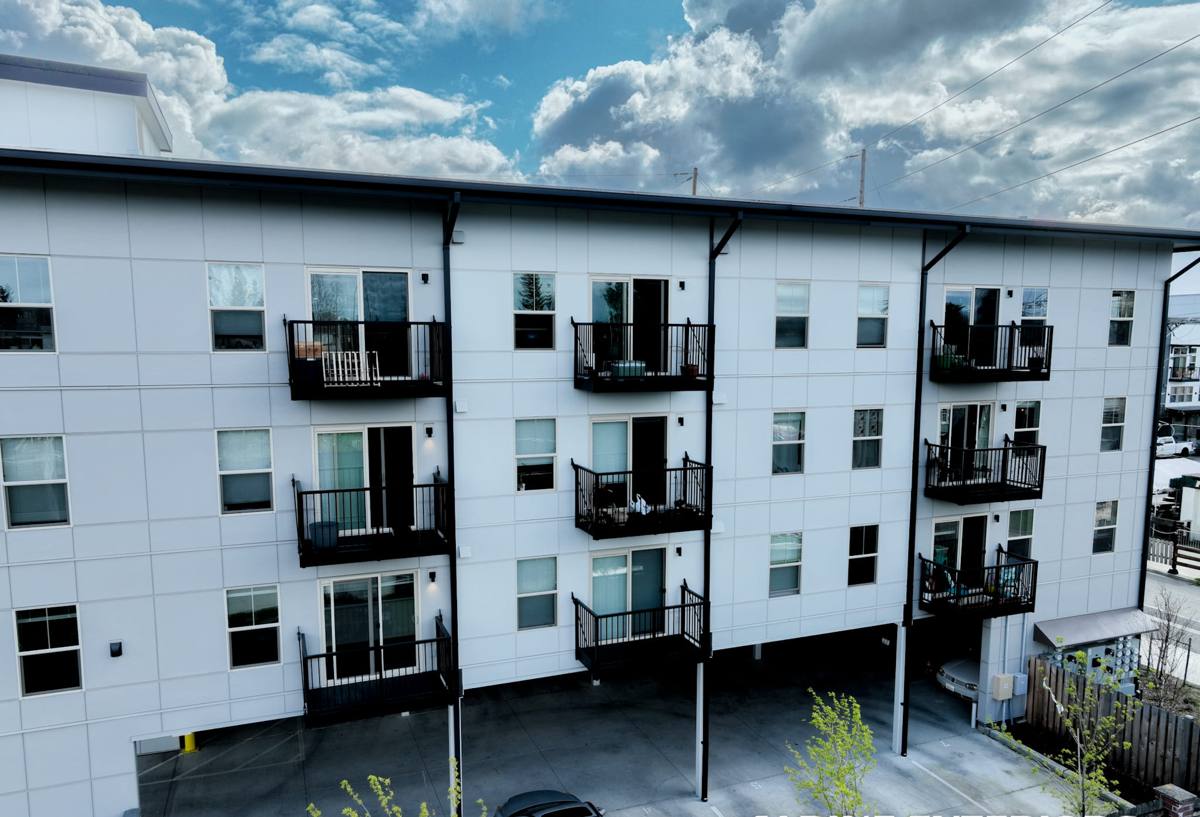
What "Custom" Really Means for a Window Project
The word "custom" gets used loosely in this industry, so it's worth being specific about what it actually covers on a real job:
- Exact sizing — windows manufactured to fit your actual rough openings, not the nearest stock size with gaps shimmed and covered
- Style match — single-hung, double-hung, casement, or picture windows chosen to fit the home's existing lines, not just whatever's cheapest to source
- Glass package — impact-rated or laminated glass, Low-E coatings, and tint options selected for how much direct sun and storm exposure that specific elevation of the house gets
- Frame material — vinyl, aluminum, fiberglass, or composite chosen based on the home's structure, budget, and maintenance expectations
None of that is upsell for its own sake. A window on the west-facing side of a Plant City home, taking full afternoon sun most of the year, has different needs than one tucked under an eave on the north side. Custom work means those differences actually get accounted for instead of installing the same product everywhere.
Signs Your Current Windows Are Working Against You
Homeowners often live with underperforming windows longer than they should because the problems show up gradually. Common warning signs we see on Plant City service calls include:
- Fogging or a hazy film between panes of double-glazed units — a sign the seal has failed and the gas fill is gone
- Windows that feel warm to the touch on the interior side during peak afternoon sun
- Rooms that are noticeably harder to keep cool, driving up air conditioning run time
- Visible daylight or air movement around the frame when the window is closed and locked
- Wood or composite frames that are soft, discolored, or swelling near the sill
- Difficulty opening, closing, or locking — often from frame warping or hardware wear
- Water staining on interior walls or sills after wind-driven rain events
Any one of these can usually be traced back to a failed seal, degraded weatherstripping, or a frame that was never installed with proper flashing in the first place. None of them get better on their own.
What a Correct Installation Actually Involves
Custom windows only perform as well as the installation behind them. A window can be top-tier and still fail early if it goes in wrong. The parts of the job that matter most — and that are easy to skip if a crew is rushing — are:
Opening Prep
The rough opening gets inspected for rot, soft framing, or prior water damage before anything new goes in. Installing a new window into a compromised opening just hides a problem instead of fixing it.
Flashing and Water Management
Proper flashing tape and a drainage path direct any water that gets past the exterior seal back outside the wall assembly, rather than letting it collect inside the framing where it causes rot and mold over years, not days.
Sealing and Insulation
The gap between the window frame and the rough opening gets filled with the right low-expansion foam or backer rod and sealant — enough to insulate and seal, not so much that it bows the frame out of square and affects operation.
Fastening to Code
Fastener type, spacing, and embedment depth all have to meet Florida Building Code requirements for the applicable wind zone. This is where a lot of shortcut installs fail during the next major storm, even when the window product itself was rated correctly.
Final Adjustment
Sashes get checked for smooth, even operation, locks are tested, and the exterior is inspected for a clean, weathertight finish before the job is called done.
Frame Material Comparison
Material choice affects cost, maintenance, and how the window holds up to Hillsborough County's sun and humidity over the long run. Here's how the common options compare:
| Material | Sun/Heat Resistance | Maintenance | Typical Cost Position |
|---|---|---|---|
| Vinyl | Good with UV-stabilized formulations | Low — no painting, occasional cleaning | Entry to mid-range |
| Aluminum | Very durable, but conducts heat more than other options | Low, though older units can pit or corrode over decades | Mid-range |
| Fiberglass | Excellent — dimensionally stable in heat and humidity | Low, holds paint well if a color change is wanted later | Higher |
| Wood-composite | Good, but sensitive to moisture exposure at the sill | Moderate — needs monitoring at joints and sills | Higher |
We don't push one material as universally "best." A fiberglass frame might make sense on a sun-exposed western wall, while vinyl is a perfectly sound, budget-conscious choice for a shaded porch addition. Custom work means matching the material to where it's actually going, not selling the same product on every job regardless of fit.
Our Process, Start to Finish
- Free on-site assessment — we measure existing openings, check framing condition, and talk through what's actually driving the replacement (comfort, storm protection, appearance, or all three)
- Product and glass selection — we walk through frame material, glass package, and style options suited to that specific elevation and the home's existing look
- Written estimate — a clear scope and price before anything is ordered, no vague allowances
- Precise measurement and ordering — custom units are built to the exact opening, which is why lead times run longer than stock windows
- Installation — opening prep, flashing, code-compliant fastening, sealing, and final adjustment as outlined above
- Walkthrough — every window is opened, closed, and locked in front of the homeowner, and the work area is cleaned up before we leave
What Affects the Cost of a Custom Window Job
There's no single price that applies to every home, but the main variables that move the number are consistent from job to job:
| Cost Factor | Why It Matters |
|---|---|
| Opening size and shape | Non-standard or oversized openings require fully custom manufacturing rather than stock sizing |
| Glass package | Impact-rated and laminated glass cost more upfront but reduce storm-shutter needs and insurance considerations |
| Frame material | Fiberglass and premium composites cost more than standard vinyl |
| Number of openings | Whole-house replacements typically bring a better per-unit price than one or two isolated windows |
| Existing condition | Rot repair or reframing at the opening adds labor beyond the window itself |
| Access and second-story work | Upper-level or hard-to-reach openings add labor time |
Broadly, homeowners in this area should expect a wide range depending on those factors — a single standard replacement window runs far less than a full custom, impact-rated unit on an oversized opening. We give an exact number in writing after the on-site assessment, not a rough phone quote.
Wind Zone, Permits, and Florida Building Code
Hillsborough County falls under the Florida Building Code, and while most of the county sits outside the state's High-Velocity Hurricane Zone (which applies further south), local wind speed requirements still dictate how windows must be rated and fastened. Permitting is typically required for window replacement work, and inspections confirm the installation meets those wind-load requirements — this isn't optional paperwork, it's what stands between your home and real storm damage during the next major weather event. A crew that pulls permits and schedules inspections as a normal part of the job, rather than treating it as a hassle to avoid, is protecting your investment as much as staying compliant.
Why Local Experience in Plant City Matters
A crew that regularly works Plant City and the surrounding Hillsborough County area knows the mix of housing stock here — older farmhouses, mid-century ranches, and newer builds sitting side by side — and has already worked through the framing quirks that come with that variety. That familiarity shows up in fewer surprises once a wall gets opened up, more accurate estimates from the first visit, and a better sense of which products actually hold up locally versus which ones look good on paper but struggle with Florida's combination of heat, humidity, and storm exposure. It also means a shorter distance for follow-up service if anything needs adjustment after the install.
Keeping New Windows Performing Long-Term
Custom windows are a long-term investment, and a little upkeep goes a long way toward protecting it:
- Clean tracks and weep holes periodically so drainage paths stay clear of debris and pollen
- Inspect exterior caulk lines yearly and have any cracking resealed before it lets water in
- Test locks and operation each season — sticking is often an early sign worth addressing
- Rinse frames and glass to remove salt and pollutant buildup carried on coastal winds
- After any major storm, do a visual check for damaged seals, cracked glass, or loosened frames
None of this is complicated, but it's the difference between a window system that performs for decades and one that quietly degrades because small issues went unaddressed.
If your Plant City home has windows that are underperforming, poorly fitted, or simply original to a much older build, we're happy to take a look and give you a straightforward, no-pressure estimate. Use the form below to get started — there's no obligation, just an honest assessment of what your home actually needs.