 Tampa Window
 New-Construction Windows Are a Different Job Than Replacement
New-construction windows and replacement windows solve different problems, and Plant City homeowners building or framing a house need to understand which one they're getting quoted. A new-construction window has a nailing fin around the frame that gets fastened directly to the wall sheathing before the house wrap, flashing, and exterior finish go on. A replacement window, by contrast, gets set into an existing rough opening after the siding or stucco is already in place, usually without a nailing fin at all. Trying to use replacement-style methods on a new build — or vice versa — is one of the most common ways a window installation ends up leaking or failing inspection.
Because the window is going in before the exterior envelope is finished, new construction is actually the easier point in the process to get the water management right. There's no existing stucco or siding to work around or patch. The flashing, the weather-resistant barrier, and the sill pan can all be built in proper sequence instead of retrofitted. That's the advantage of doing it during the build — but only if the crew installing the windows understands how those layers are supposed to overlap.
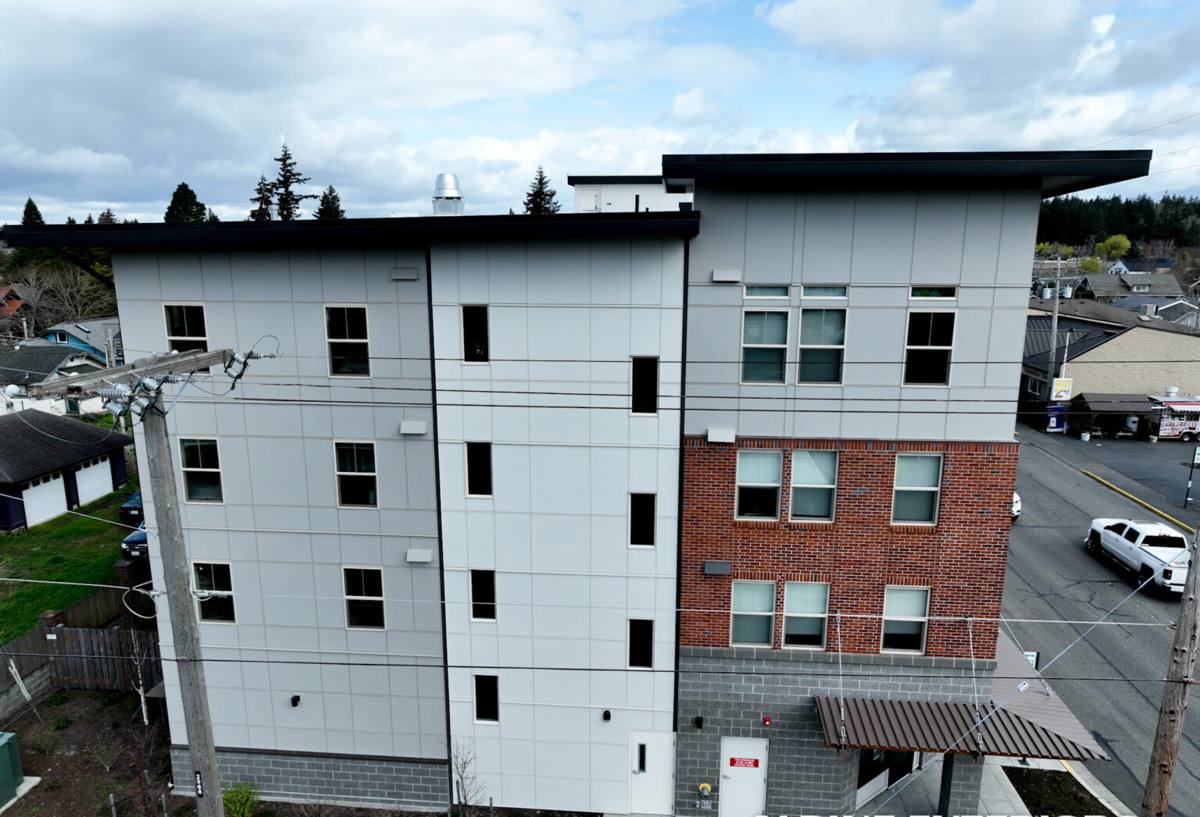
What Plant City's Climate Demands From a New Window Install
Plant City sits inland in eastern Hillsborough County, away from the immediate coastline, so it doesn't take the same direct salt-air corrosion that homes closer to Tampa Bay or the Gulf deal with. That doesn't mean the climate goes easy on a house. Hillsborough County still sees hurricane-force wind events, punishing year-round UV exposure, and heavy wind-driven rain during summer storms and tropical systems. A new-construction window in this area has to hold up to sustained sun that degrades cheap vinyl and seals over time, sudden wind-load spikes during storms, and rain that gets driven sideways into the wall rather than falling straight down.
Wind-driven rain is the one that causes the most callbacks we see on new builds. It's not usually the window itself that fails — it's the flashing detail underneath and around it. Water finds the smallest gap in a sill pan or a poorly lapped house wrap and works its way into the wall cavity long before anyone notices a stain inside. Getting that detail right during initial construction, while the wall is still open, is far cheaper and more reliable than chasing a leak after drywall and stucco are finished.
Where Salt Air Still Matters
Even though Plant City is inland, homes built for buyers who may eventually want coastal-grade hardware, or that sit closer to the western part of Hillsborough County, sometimes still spec corrosion-resistant fasteners and hardware. It's a smaller factor here than in South Tampa or along the bay, but we don't assume it's zero — we match the hardware to the specific lot and builder specification rather than defaulting to whatever's cheapest.
Florida Building Code and Wind Design Pressure in Hillsborough County
Every new-construction window installed in Hillsborough County has to meet a wind design pressure rating tied to the Florida Building Code, the home's exposure category, and its location relative to the county's wind-borne debris line. That rating isn't optional and it isn't the same for every house — a window rated correctly for one lot in Plant City may not meet code on a more exposed lot nearby. This is engineering-level detail that has to be pulled from the approved plans and product approval documents for each window, not guessed at.
Depending on where a specific Plant City lot falls relative to the wind-borne debris line, the county may require either impact-rated glass or an approved opening-protection system as an alternate. Builders and homeowners sometimes assume impact glass is only a coastal requirement — it isn't always, and the only way to know for sure is to check the site-specific wind speed and exposure figures against the county's requirements before windows are ordered, not after they show up on the truck.
- Confirm the design pressure (DP) rating required for the specific lot, not a generic countywide number
- Verify whether the lot falls inside the wind-borne debris region requiring impact glass or approved protection
- Match window product approval (Florida Product Approval or Miami-Dade NOA where used) to what's specified on the approved plans
- Have supporting documentation ready for the county inspector at the required framing/window stage
What a Correct New-Construction Installation Involves
The window unit itself is only part of the job. What actually keeps water and wind out is the sequence of materials around it, installed in the right order and lapped correctly so water always sheds outward and downward, never in behind a layer that's supposed to stop it.
The Layers That Matter
- Rough opening prep — squared, correctly sized, and free of debris before the window ever gets set
- Sill pan flashing — a sloped, sealed pan under the window that gives any water that gets past the window a way out instead of a place to pool
- Window set and shim — plumb, level, and square, with the nailing fin fully supported against the sheathing
- Fastening — nailing fin fastened per the manufacturer's schedule, not just "enough nails to hold it"
- Flashing tape and house wrap integration — side and head flashing lapped correctly over the fin, and the house wrap lapped correctly over the flashing, in that specific order
- Sealant — compatible sealant at the specified joints, not a bead of whatever caulk is on the truck
Skipping or reversing any one of these steps doesn't usually cause a visible problem on day one. It shows up eighteen months later as a soft spot near a window sill or a musty smell in a closet on an exterior wall. That lag is exactly why the installation sequence matters more than the window brand — even a good window fails if the layers around it were installed out of order.
Frame Material and Glass Package Choices
New construction gives a homeowner or builder more flexibility to choose frame material and glass than a replacement project usually allows, since the opening isn't constrained by an existing frame. The right choice depends on budget, the specific elevation's sun exposure, and whether the lot requires impact-rated glass.
| Option | Strengths | Trade-offs |
|---|---|---|
| Vinyl frame, standard glass | Lower upfront cost, low maintenance, good insulation | Lower design pressure ceiling; not ideal for very large openings |
| Vinyl frame, impact glass | Meets wind-borne debris requirements without shutters; sound dampening | Heavier unit, higher upfront cost than standard glass |
| Aluminum frame, impact glass | Higher design pressure ratings; handles large openings well | Higher cost; less thermal insulation than vinyl unless thermally broken |
| Low-E / heat-reflective glass upgrade | Cuts UV-driven fading and summer heat gain | Modest cost add; pays back over time in comfort and AC load |
Given Hillsborough County's year-round UV exposure, we usually recommend at least a Low-E glass upgrade regardless of frame material — it's one of the lower-cost line items on a new build and it does real work reducing heat gain and fading on interior finishes and flooring near west- and south-facing windows.
How We Work With Builders and Homeowners in Plant City
Most of our new-construction work in Plant City comes through coordination with a builder or general contractor, timed to the framing schedule rather than working in isolation. That means we're on-site at the window-ready stage, not after stucco or siding has already gone up and boxed us in. Our process on a typical new build looks like this:
- Review approved plans and confirm window schedule, sizes, and required design pressure ratings before ordering
- Verify product approvals and impact requirements against the specific lot
- Coordinate delivery and install timing with the builder's framing and dry-in schedule
- Install to manufacturer flashing instructions, integrated with the house wrap installer's sequence
- Document the install for the county inspection tied to that framing stage
- Walk the finished openings with the builder or homeowner before moving to the next phase
Working the same subdivisions and builders repeatedly in this area means we already know how local framing crews sequence their work and what Hillsborough County inspectors expect to see documented at the window stage. That familiarity cuts down on the back-and-forth that slows a build down when a crew is installing windows in Plant City for the first time.
Mistakes We See on New-Construction Window Jobs
Most of the problems that surface later on a new build trace back to a handful of repeatable mistakes, usually made under schedule pressure:
- Sill pan skipped or installed flat instead of sloped, leaving no path for incidental water to escape
- House wrap and flashing lapped in the wrong order, directing water behind the barrier instead of over it
- Nailing fin under-fastened to save time, leaving the window under-supported against design wind loads
- Window ordered to a generic design pressure rating instead of the one required for that specific lot
- Sealant applied at the wrong joint, or a sealant incompatible with the flashing tape or frame material
None of these show up on a final walkthrough. They show up as a warranty call, a stain, or a failed re-inspection — which is more expensive and more disruptive to a build schedule than doing the sequence correctly the first time.
What to Verify Before Windows Go In
- Design pressure rating matches the approved plans for this specific lot, not a countywide default
- Impact glass or approved alternate protection confirmed if the lot falls in the wind-borne debris region
- Sill pan flashing detail specified and understood by the install crew before the first window is set
- Fastening schedule matches the manufacturer's installation instructions for the ordered product
- Flashing and house wrap sequence coordinated with whoever is installing the weather-resistant barrier
- Documentation ready for the county inspection tied to the window/framing stage
Why a Local Crew Matters on a Plant City Build
New-construction window work depends on getting a lot of small sequencing details right, on someone else's schedule, under Hillsborough County's specific code requirements. A crew that regularly works Plant City builds already knows the county's inspection expectations, has already coordinated with the framing and stucco trades on local subdivisions, and isn't learning the area's wind and exposure requirements for the first time on your job. That familiarity shows up as fewer delays, fewer re-inspections, and a wall assembly that's actually built to keep Hillsborough County's wind and rain out for the long run — not just to pass a walkthrough.
If you're building in Plant City and want windows specified, ordered, and installed correctly the first time, we're happy to take a look at your plans and walk through what your specific lot requires. Reach out for a free, no-pressure estimate using the form below.