 Tampa Window
 Metal Roofing Built for South Tampa's Climate
South Tampa sits close enough to the water that homes here take a different kind of beating than roofs further inland. Between the salt-laden air coming off the bay, the intense year-round Florida sun, wind-driven rain during summer storms, and the real risk of hurricane-force gusts, a roof in this part of Hillsborough County has to work harder than one in a more sheltered neighborhood. Metal roofing, installed correctly with the right materials and fasteners, holds up to that combination better than most other roofing systems available to homeowners today. This page covers what that actually looks like in practice, not the generic version.
We're a Tampa-based window and exterior contractor, and metal roofing is one of the systems we install and service regularly for homes in South Tampa. We're not going to oversell it or pretend every roof needs it. What follows is a straightforward look at what matters for this specific area.
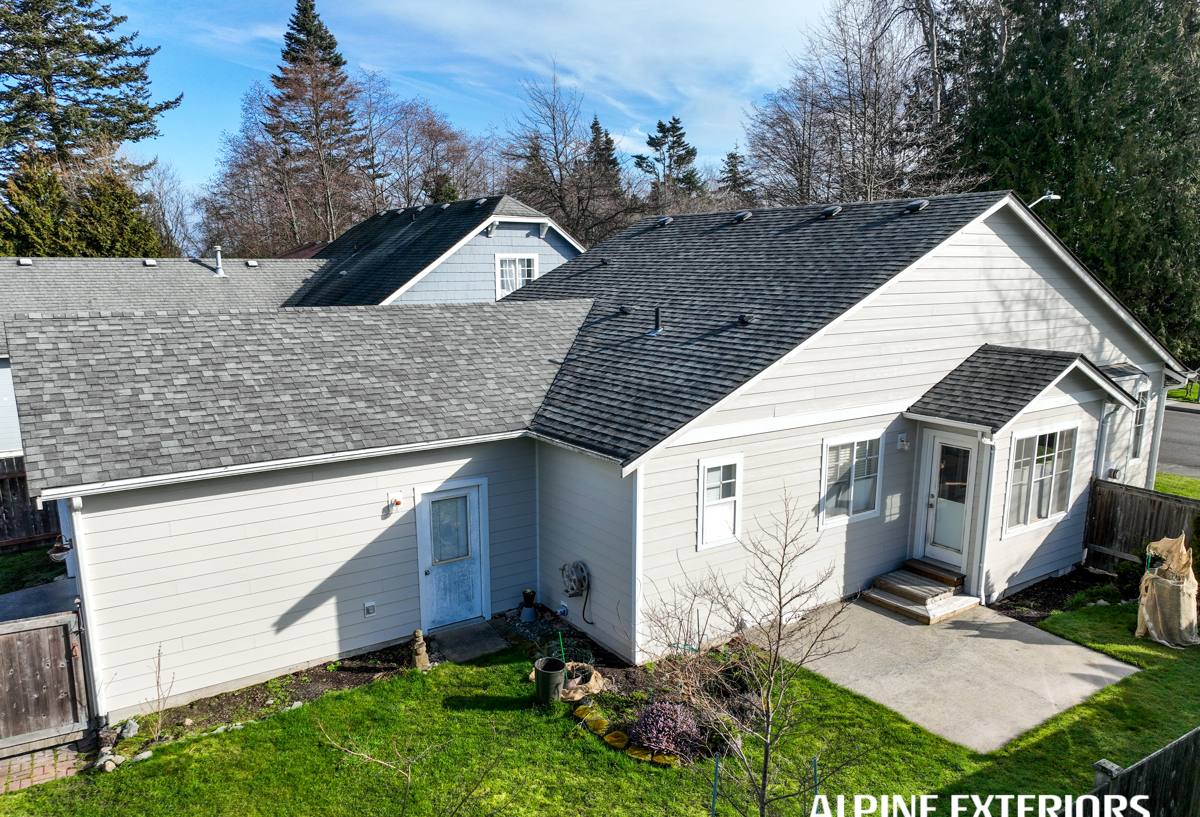
Why South Tampa Homes Need Roofing That Handles More Than Rain
Salt Air and Coastal Exposure
Being close to Tampa Bay means airborne salt settles on every exterior surface, roofs included. Over years, salt exposure accelerates corrosion on fasteners, flashing, and any metal components that aren't rated for coastal use. This is one of the most common reasons a metal roof underperforms in this area — not because metal roofing is a poor choice, but because the wrong grade of metal or fasteners was used during installation.
UV Exposure Year-Round
Florida sun is intense and consistent, not seasonal. Roofing materials that rely on surface coatings or granules to block UV degrade faster here than in most of the country. Metal roofing with a quality factory-applied finish resists UV breakdown far better than asphalt shingles, which lose granules and become brittle under sustained sun exposure.
Wind-Driven Rain and Storm Systems
Summer thunderstorms in the Tampa area routinely bring rain sideways, not straight down. That means water gets tested at every seam, penetration, and edge detail on a roof — not just the flat field of the material. A roof that would keep out vertical rain can still leak under wind-driven conditions if flashing and underlayment weren't detailed properly.
Hurricane-Force Wind Loads
Hillsborough County building code reflects the real risk of hurricane winds, and South Tampa's exposure to open water can mean higher effective wind loads than more inland parts of the metro. Metal roofing systems, when installed with the correct fastening pattern and panel type, carry strong wind uplift ratings — but that rating is only as good as the installation behind it.
What a Correct Metal Roof Installation Actually Involves
A lot of what separates a metal roof that lasts 30-plus years from one that fails early happens in steps homeowners never see once the job is done. Here's what we consider non-negotiable for this climate:
- Marine-grade or coastal-rated fasteners and flashing — not standard hardware that will corrode faster in salt air
- A properly installed underlayment layer that acts as a secondary water barrier if wind-driven rain gets past the panels
- Correct fastening pattern and spacing matched to the panel manufacturer's wind-uplift specifications for this wind zone
- Sealed and properly lapped seams at every panel joint, ridge, valley, and penetration (vents, pipes, chimneys)
- Flashing details at walls, dormers, and transitions that are formed and sealed correctly, not just caulked over
- Attention to thermal expansion — metal panels move with heat, and fastener systems need to accommodate that movement over time
- Ventilation that lets heat escape the attic space, protecting both the roof deck and the home's energy efficiency
Skipping any one of these doesn't usually cause an immediate problem. It shows up two, five, or ten years later as a leak, a corroded fastener, or a panel that's come loose in a storm. That's why the installation process matters as much as the material choice.
Panel Types: What We Recommend and Why
Not every metal roofing product is equal, and we're upfront with clients about the trade-offs. Standing seam panels are our general recommendation for South Tampa homes because the concealed fastener design keeps screw heads out of direct weather exposure, which matters a great deal given the salt air and UV conditions here. Exposed-fastener panel systems can still perform well and cost less upfront, but the fasteners are exposed to the elements and typically need more attention over the life of the roof — gasket wear, fastener backing out, and corrosion at the screw head are the common failure points we see over time. We'll walk through both options honestly rather than pushing whichever is more profitable to install.
Comparing Metal Roofing Options for This Climate
| Factor | Standing Seam | Exposed-Fastener Panel |
|---|---|---|
| Fastener exposure | Concealed, protected from UV and rain | Exposed, more maintenance over time |
| Coastal/salt-air durability | Higher, fewer failure points | Moderate, fastener corrosion risk |
| Upfront cost | Higher | Lower |
| Wind uplift performance | Excellent when properly installed | Good, dependent on fastener maintenance |
| Typical lifespan (this climate) | 40-50+ years | 25-35 years with maintenance |
| Maintenance needs | Minimal | Periodic fastener/gasket inspection |
Roofing Systems We Approach Carefully
Some roofing products aren't a fit for our installation standards in a coastal, high-UV, hurricane-exposed environment. This isn't about any brand being bad — it's about matching the product's real-world behavior to South Tampa's conditions. Roofing systems that rely heavily on adhesives or sealants as the primary water barrier tend to struggle here, because UV and heat cycling break down adhesives faster than they do in cooler climates. Similarly, roofing materials without a strong track record for wind uplift in coastal wind zones require extra scrutiny before we'll recommend them for a South Tampa home. Our standard is that if a product's manufacturer warranty and engineering specs don't clearly support the wind and moisture exposure a home here will see, we'll say so and recommend an alternative rather than install something we can't stand behind.
How Our Process Works
1. On-Site Assessment
We start with a walk of the existing roof (or the home's exposure, for new construction) to look at pitch, deck condition, existing ventilation, and any problem areas like valleys or wall transitions that need special attention.
2. Material and System Selection
Based on the assessment and the homeowner's budget and priorities, we go over panel type, finish, and fastener specification suited to South Tampa's coastal and wind exposure.
3. Permitting and Code Compliance
Hillsborough County and City of Tampa permitting requirements apply to roofing work, including wind-uplift documentation for the installed system. We handle this as part of the job rather than leaving it to the homeowner.
4. Tear-Off and Deck Inspection
If this is a re-roof, we remove the old roofing material and inspect the deck underneath for rot, soft spots, or prior water damage before installing anything new. This step catches problems that would otherwise get sealed under a new roof and cause issues later.
5. Underlayment and Flashing
Secondary water barrier and flashing go in before panels, since these layers do the real work if wind-driven rain ever gets past the metal itself.
6. Panel Installation
Panels are installed with the fastening pattern and spacing specified for the wind zone, with careful attention to seams, ridges, valleys, and penetrations.
7. Final Inspection and Walkthrough
We go over the completed roof with the homeowner, cover maintenance expectations, and make sure everything meets both code and our own standards before calling the job done.
Cost Factors for South Tampa Homeowners
Metal roofing costs vary based on several factors specific to a given home, and we'd rather explain what drives the price than quote a number that doesn't apply to your situation:
| Factor | How It Affects Cost |
|---|---|
| Panel type | Standing seam costs more upfront than exposed-fastener panels |
| Roof complexity | More valleys, dormers, and penetrations mean more labor and flashing detail |
| Existing deck condition | Rot or damage found during tear-off adds repair cost before new roofing goes on |
| Roof size and pitch | Larger and steeper roofs require more material and labor time |
| Ventilation upgrades | Adding or improving attic ventilation adds cost but extends roof life |
| Permitting requirements | Wind-uplift documentation and inspections are part of the process, not optional add-ons |
Metal roofing generally costs more upfront than asphalt shingles, but the trade-off is a much longer service life and less frequent replacement — often 40 years or more compared to 15-20 for shingles in this climate. For a home planning to stay in South Tampa long-term, that math tends to favor metal.
What to Ask Before Hiring Anyone for Metal Roofing Here
South Tampa's exposure means the installation quality matters more than almost anywhere else in the region. A few questions worth asking any contractor before signing a contract:
- What fastener and flashing materials do you use, and are they rated for coastal/salt-air exposure?
- What wind-uplift rating does the installed system carry, and how does that match Hillsborough County's requirements for this location?
- Do you inspect and document deck condition before installing, or install over existing decking without checking it?
- What does your workmanship warranty cover, separate from the manufacturer's material warranty?
- Have you installed metal roofing on homes in South Tampa or similarly exposed coastal areas before?
A contractor who's worked in South Tampa specifically has already run into the fastener corrosion issues, the flashing details that matter at wall transitions near the water, and the way local permitting offices review wind-uplift documentation. That's not something a crew coming from an inland market picks up on the first job.
Maintenance That Actually Matters
Metal roofing is lower-maintenance than most alternatives, but "low-maintenance" doesn't mean "no maintenance," especially this close to the bay. We recommend homeowners have their roof looked at after any major storm and roughly once a year otherwise, checking for:
- Loose or corroding fasteners, particularly on exposed-fastener systems
- Sealant or flashing wear at penetrations and wall transitions
- Debris buildup in valleys that can trap moisture against the panel surface
- Any signs of panel movement or lifting at edges after high wind events
Catching these early is inexpensive. Ignoring them until they cause an interior leak is not.
If you're weighing metal roofing for a home in South Tampa, we're happy to take a look and walk you through what your specific roof needs — no pressure, no pushy sales pitch. Fill out the form below for a free estimate.