 Tampa Window
 South Tampa's Climate Puts Real Demands on Siding
South Tampa sits close to the water, which means the neighborhood gets the full weight of what Hillsborough County's coastal exposure throws at a home's exterior. Siding here isn't just cosmetic — it's the first line of defense against conditions that are genuinely tougher than what most inland Florida homes deal with. If you're planning a siding replacement, it helps to understand exactly what you're up against before you pick a product or a crew.
Hurricane-Force Wind
South Tampa is squarely in the path of tropical systems that move through the Gulf and up the bay. Sustained wind and gusts during a storm put direct pressure on siding panels and, just as importantly, on the fasteners and flashing holding them to the wall. Siding that isn't rated, fastened, and detailed correctly for this wind exposure can lift, crack, or pull away at the edges — often starting at corners, around windows, and at the bottom courses where wind pressure concentrates.
Intense, Year-Round UV
Tampa doesn't get a real off-season for sun exposure. South-and-west-facing walls take a steady dose of UV essentially every month of the year. Over time, that breaks down pigments and surface coatings that weren't engineered for it, leading to fading, chalking, and a siding job that looks tired well before it's structurally due for replacement.
Wind-Driven Rain
It's not the rain itself that damages siding — it's rain pushed sideways and upward by wind, which finds every gap in flawed flashing, caulking, or panel overlap. Wind-driven rain is what turns a small installation shortcut into a moisture problem behind the wall, and in a humid climate like Tampa's, trapped moisture doesn't dry out on its own.
Salt Air
Proximity to Tampa Bay means airborne salt is a constant, low-grade stressor on exterior materials and hardware. Salt accelerates corrosion in fasteners and trim components and can degrade coatings that aren't formulated to resist it. Homes closer to the water feel this more, but South Tampa as a whole isn't far enough inland to ignore it.
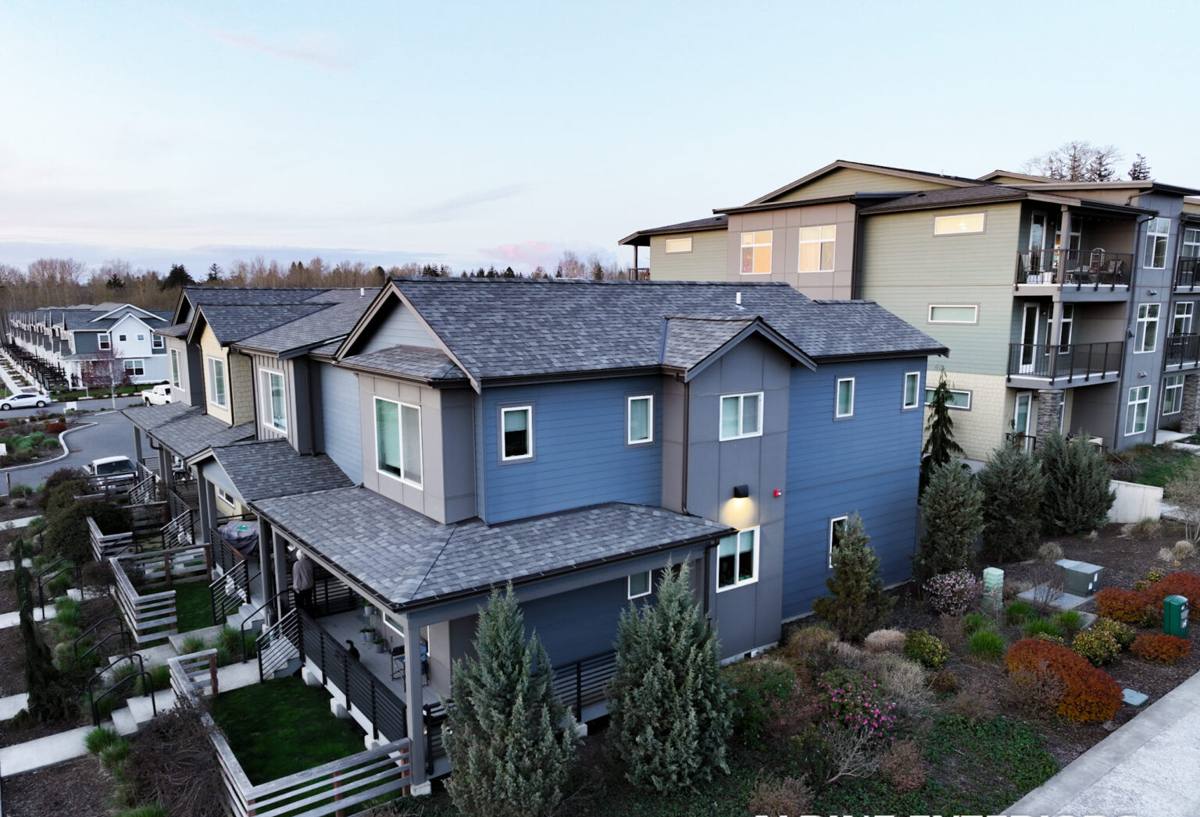
What a Correct Fiber Cement Siding Job Has to Get Right Here
Given all of that, a fiber cement installation in South Tampa isn't a generic job — it's a job with specific requirements baked into it from the first cut. A few things matter more here than they would in a milder climate:
- Climate-engineered material. The siding itself should be formulated for high-humidity, high-UV, hurricane-exposed regions — not a generic product used the same way from Ohio to Florida.
- Correct fastening pattern and fastener material. Nail spacing, embedment, and corrosion-resistant fasteners all matter more when wind loads are higher and salt air is in play.
- Proper flashing and water management behind the siding. House wrap, flashing at windows and doors, and drainage planes need to be installed so that any water that does get past the siding has somewhere to go.
- Factory-applied, baked-on color. A finish cured in a controlled factory environment holds up to UV and salt air far better than a coating applied on-site under variable conditions.
- Correct clearances and sealant use. Bottom clearance from grade, hardscape, and roof lines; correct sealant at joints and penetrations — all details that either shed wind-driven rain or invite it in.
Every one of these is a place where a rushed or inexperienced install cuts corners that don't show up as a problem for a year or two — and then show up as a much bigger, more expensive problem later.
Why We Install Only James Hardie Siding
We made a deliberate decision to install James Hardie fiber cement exclusively — not LP SmartSide, not vinyl, not other fiber cement brands like Cemplank or Allura, and not primed wood products like spruce or cedar. That's not a marketing angle; it's a standard we hold because of what this climate does to a home's exterior.
James Hardie's product lines are engineered by climate zone, including versions specifically formulated for high-humidity, hurricane-prone regions like ours. The ColorPlus factory finish is baked on under controlled conditions, which gives it meaningfully better fade and wear resistance than field-applied paint has to work with, especially under Tampa's UV load. Fiber cement itself is non-combustible, doesn't attract termites, and doesn't rot the way wood-based siding products can when they take on moisture. And the warranty structure — a long, transferable warranty on the substrate backed by a separate finish warranty — gives homeowners real protection, not just a marketing claim, if something does go wrong.
None of that means other products are without merit — vinyl is inexpensive and low-maintenance in mild climates, and engineered wood siding has genuine fans. But when we weigh installation sensitivity, long-term moisture behavior, appearance retention under intense UV, and warranty backing against what South Tampa's climate actually demands, James Hardie is what we're willing to put our name behind and install correctly, every time.
Our Installation Process for South Tampa Homes
The process is the same whether your home is a bungalow near the bay or a newer build a few blocks inland — what changes is how we adapt the details to your specific exposure.
- On-site inspection. We look at your current siding, sheathing, and any signs of past moisture intrusion — especially around windows, doors, and roof-to-wall transitions — before recommending anything.
- Product and color selection. We walk through the relevant HardieZone product lines and ColorPlus color options based on your home's style, sun exposure, and HOA requirements if applicable.
- Tear-off or removal. Old siding comes off down to the sheathing so we can actually see what's underneath rather than installing over hidden problems.
- Sheathing repair and water-resistive barrier. Any damaged sheathing gets replaced, and a proper drainage plane and flashing system go in before a single piece of siding is hung.
- Installation to manufacturer specification. Correct fastener type and spacing, proper clearances, and correctly lapped and sealed joints — installed to the standard that keeps the warranty valid, not just to the standard that looks fine from the street.
- Trim, caulking, and detail work. The places where most siding failures start — corners, penetrations, window and door surrounds — get the closest attention.
- Final walkthrough and warranty registration. We review the finished work with you and make sure your product warranty is properly registered.
Cost Factors for Fiber Cement Siding in South Tampa
Every home is different, so we don't quote a number without seeing the house, but these are the factors that actually move the price up or down on a South Tampa siding project:
| Factor | Why It Matters |
|---|---|
| Home size and wall complexity | More square footage, more corners, gables, and trim details mean more labor and material. |
| Removal and sheathing condition | Hidden moisture damage from past leaks or older siding often means sheathing repair before new siding goes on. |
| Product line and profile | Lap width, plank vs. shingle-style panels, and specific HardieZone product all affect material cost. |
| Color and finish | Standard ColorPlus colors vs. custom or premium finishes carry different pricing. |
| Trim and accessory work | Fascia, soffit, window and door trim, and corner detailing add scope beyond the flat wall area. |
| Access and site conditions | Multi-story sections, tight lot lines, and landscaping that limits access can affect labor time. |
A Checklist for Choosing a Siding Contractor in South Tampa
Not every contractor who "does siding" is set up to do it right in this specific climate. Before you hire anyone, it's worth asking:
- Do they install to the manufacturer's published installation instructions for your wind zone, not just a generic install?
- Do they tear off old siding and inspect sheathing, rather than installing over existing material?
- Can they explain their flashing and water-management approach around windows, doors, and roof lines?
- Do they use fasteners and hardware suited to a salt-air, high-humidity environment?
- Are they licensed and insured to work in Hillsborough County?
- Will they register your manufacturer warranty on your behalf after the job is complete?
- Do they have real, ongoing experience with the specific product they're proposing — not just a willingness to install whatever you ask for?
A crew that already works regularly in South Tampa has seen how this climate ages siding over years, not just how it looks on installation day. That experience shows up in the details — the flashing choices, the fastener spacing, the clearances — that you won't notice until they either hold up or don't.
Caring for Your Siding After It's Installed
Correctly installed James Hardie siding is low-maintenance, but "low-maintenance" isn't "no-maintenance" in this climate. A few habits go a long way:
- Rinse the exterior periodically to clear salt residue and airborne grime, especially on walls facing the bay.
- Keep an eye on caulking at trim joints and penetrations, and have gaps resealed before they become water entry points.
- Trim landscaping back from siding to maintain airflow and reduce moisture retention at the wall.
- After major storms, do a visual check for loose panels, damaged trim, or displaced flashing.
Why Hiring a Crew That Already Works South Tampa Matters
Siding installation guidance from a manufacturer covers the baseline, but applying it well in a specific coastal, hurricane-exposed neighborhood takes local judgment — knowing which walls take the worst wind-driven rain, which details tend to fail first under sustained UV and salt exposure, and how to sequence a project around Tampa's weather patterns. A contractor who works this area regularly isn't guessing at any of that; it's baked into how they plan and execute every job.
If you're weighing a siding replacement for a South Tampa home, we're glad to walk the property with you, talk through what your walls are dealing with, and put together a straightforward, no-pressure estimate — just fill out the form below to get started.