 Tampa Window
 South Tampa sits on a peninsula bordered by Tampa Bay, Hillsborough Bay, and Old Tampa Bay, which means homes here take on a combination of stresses that inland Hillsborough County properties simply don't face to the same degree. Salt-laden air moves in off the water year-round, summer humidity stays high for months at a stretch, and every hurricane season brings the real possibility of sustained high winds and horizontal, wind-driven rain. Siding in this neighborhood isn't just a cosmetic exterior — it's the first line of defense for the structure behind it, and it has to hold up to conditions that would degrade a lower-grade product within a decade or less.
This page covers what siding installation actually involves for a South Tampa home, why we install James Hardie fiber cement exclusively, and what to expect if you're planning a siding replacement or a new install in this part of Tampa.
Why South Tampa Is a Tougher Climate for Siding Than It Looks
South Tampa's curb appeal and proximity to the water are exactly what make the exterior envelope work harder. A few specific stressors define the job here:
- Salt air corrosion: Airborne salt from the surrounding bays settles on exterior surfaces and accelerates the breakdown of fasteners, trim, and any siding material that isn't formulated to resist moisture intrusion.
- Hurricane-force wind loads: Even homes outside a mandatory evacuation zone need siding rated to stay fastened and intact under sustained high wind and wind-borne debris impact.
- Wind-driven rain: Tropical systems and seasonal storms don't just add rainfall — they push water sideways into seams, laps, and penetrations that would stay dry in a normal rain event.
- Year-round UV exposure: Florida's sun angle and long daylight hours fade paint and degrade lower-grade siding finishes faster than almost anywhere else in the country.
- Humidity and moisture cycling: Constant humidity followed by afternoon storms puts siding through repeated wet-dry cycles that stress paint bonds and can promote rot in moisture-sensitive substrates.
None of this is unique to South Tampa alone, but the combination — coastal salt exposure plus hurricane risk plus intense UV — is more concentrated here than in most Hillsborough County neighborhoods further from the water.
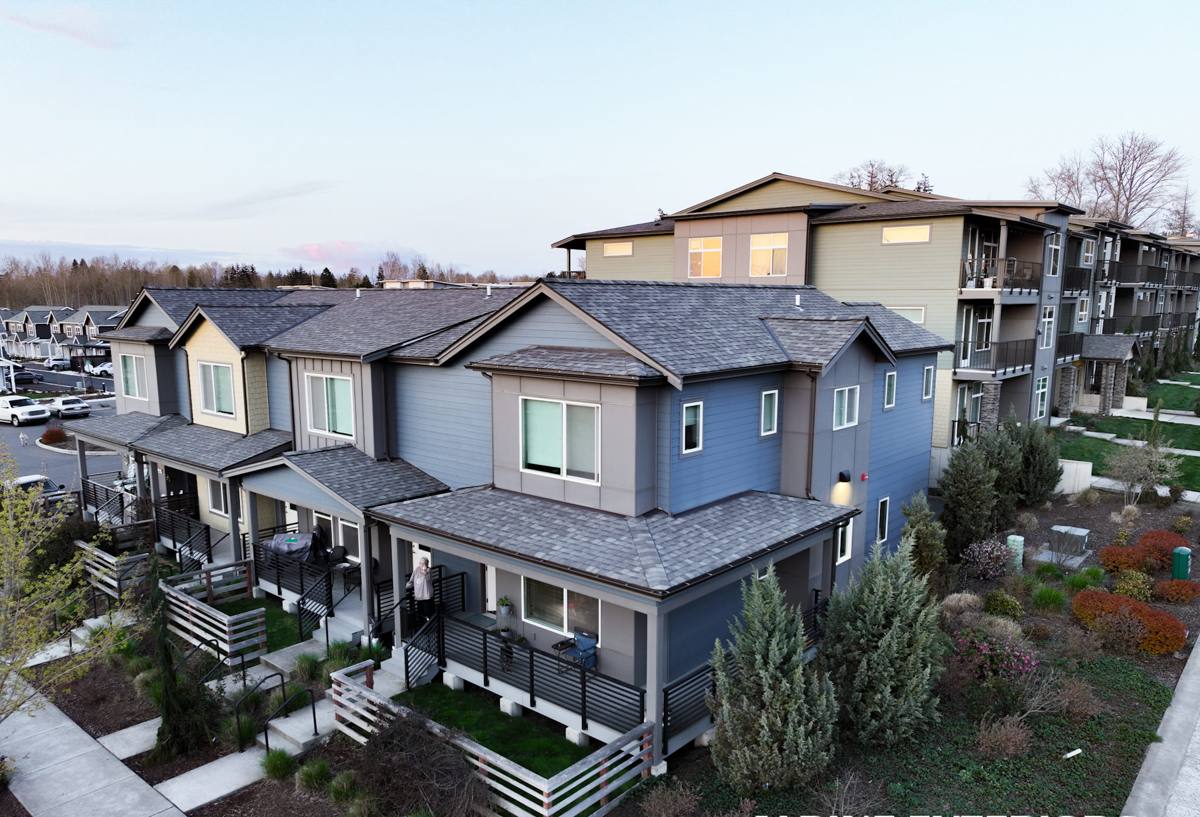
Why We Only Install James Hardie Fiber Cement
We made a standard for our company: James Hardie fiber cement siding, exclusively. We don't install vinyl, LP SmartSide, primed wood, or other fiber cement brands, and that's a deliberate professional decision, not a default.
What matters for a coastal Tampa property
- Non-combustible material: Fiber cement doesn't feed a fire the way wood-based products can, which matters in a state where lightning strikes and wildfire risk are both real considerations.
- Engineered for the climate: Hardie's HZ5 product line is specifically engineered for high-humidity, moisture-prone climates like Florida's Gulf Coast — it's not a generic national product retrofitted for local conditions.
- Factory-applied ColorPlus finish: The finish is baked on in a controlled factory environment rather than field-painted, which gives it better UV and fade resistance than most site-applied paint jobs and reduces the repainting cycle homeowners deal with.
- Dimensional stability: Fiber cement doesn't expand, contract, warp, or rot the way wood-based siding can when it cycles through humidity and heat repeatedly.
- Wind and impact performance: When installed to manufacturer spec, Hardie siding holds up well to the wind speeds South Tampa can see during tropical storms and hurricanes.
- Transferable warranty: Hardie backs its products with a strong warranty that can transfer to a new owner, which is a real selling point if you ever list the home.
We're upfront that other siding products have legitimate uses and lower upfront costs. Vinyl is cheaper and lighter; primed wood has a traditional look some homeowners want. But for a South Tampa exterior facing salt air, hurricane wind, and constant sun, we don't think those trade-offs are worth it, and we'd rather turn down a job than install something we don't expect to perform for the long term.
What a Correct Siding Installation Actually Involves
Siding failures in Florida are rarely about the siding material itself — they're almost always about installation shortcuts. A correct install on a South Tampa home includes:
Substrate and moisture barrier prep
Before a single course of siding goes up, the existing sheathing needs to be inspected for hidden rot or water damage, especially around window and door openings where past leaks tend to concentrate. A code-compliant weather-resistant barrier (house wrap) goes on next, with all seams and penetrations properly taped and sealed — this layer is what actually keeps wind-driven rain from reaching the structural sheathing if water ever gets past the siding itself.
Flashing at every penetration
Windows, doors, vents, hose bibs, light fixtures — every place something interrupts the siding plane needs proper flashing detail. This is the single most common place we find prior installation shortcuts on older Tampa homes, and it's usually the root cause when a homeowner reports a mystery leak.
Fastening to manufacturer and wind-zone spec
James Hardie publishes specific fastener patterns and clearances tied to local wind zones. Hillsborough County's coastal exposure calls for fastening schedules that are tighter than what you'd use inland. Skipping this is the fastest way to end up with siding that comes loose in a storm.
Proper clearances and gaps
Fiber cement siding needs specific clearance from grade, roofing, decking, and other transitions to avoid trapping moisture against the material. It also needs expansion gaps at butt joints and trim, caulked and painted per spec — not slammed tight, which is a common shortcut that leads to buckling.
Trim, caulking, and paint touch-up
Even with a factory finish on the siding panels themselves, cut edges and field seams need to be sealed and touched up with Hardie-approved products to maintain the warranty and keep water out at the seams.
Our Installation Process
| Step | What Happens |
|---|---|
| 1. On-site assessment | We inspect existing siding, sheathing, and moisture barrier condition, and check for any rot, prior water intrusion, or structural issues that need addressing before new siding goes on. |
| 2. Product and color selection | We walk through Hardie's plank profiles, textures, and ColorPlus palette so the final look fits the home and the neighborhood. |
| 3. Written estimate | You get a clear scope of work and pricing before anything is scheduled — no vague allowances. |
| 4. Tear-off and substrate repair | Old siding comes off, damaged sheathing gets replaced, and the wall assembly is inspected before the new barrier goes on. |
| 5. Weather barrier and flashing | House wrap, seam taping, and flashing at every penetration are installed to spec before siding starts. |
| 6. Siding installation | Panels are fastened per Hardie's wind-zone specifications for Hillsborough County, with correct clearances and gaps maintained throughout. |
| 7. Trim, caulk, and final finish | Cut edges are sealed, trim is installed, and touch-up work is completed with Hardie-approved products. |
| 8. Final walkthrough | We review the completed work with you before considering the job done. |
Cost Factors for a South Tampa Siding Project
Every home is different, but a few factors consistently drive cost on siding jobs in this area:
| Factor | Why It Matters |
|---|---|
| Home size and wall complexity | More square footage and more corners, gables, and architectural detail mean more material and labor. |
| Substrate condition | Homes with hidden rot or prior water damage need repair work before new siding can go on, which adds to the scope. |
| Siding profile and texture | Lap width, shingle-style panels, and board-and-batten looks vary in material and labor cost. |
| Trim and detail work | Extensive trim around windows, corners, and architectural features adds labor time. |
| Tear-off requirements | Full removal and disposal of existing siding versus a simpler install adds to project scope. |
| Access and site conditions | Landscaping, fencing, or tight lot lines common in older South Tampa neighborhoods can affect setup and staging time. |
We give straightforward written estimates so you know exactly what's driving the number — not a vague per-square-foot guess.
Why Hiring a Crew That Already Works South Tampa Matters
Siding installation isn't uniform across Florida, let alone across the country. A crew that regularly works South Tampa knows the wind-zone fastening requirements for this part of Hillsborough County, understands how salt air and humidity affect material choices and detailing, and has already worked through the permitting process locally. That local familiarity shows up in fewer surprises mid-project and a finished install that's actually built for the conditions your home faces, not a generic national spec.
It also matters for accountability. A contractor with an ongoing presence in the Tampa area has a reason to stand behind the work years down the line — not just get through the job and move on.
Signs Your South Tampa Home May Need New Siding
- Visible warping, buckling, or gaps between siding panels
- Soft or spongy spots when you press on the siding, which often indicates trapped moisture or rot underneath
- Peeling or bubbling paint that keeps recurring in the same spots
- Cracking or chipping, especially after storm season
- Rising energy bills that suggest the wall assembly isn't insulating or sealing the way it should
- Visible mold, mildew, or persistent staining on the siding surface
- Siding that's noticeably faded or chalky compared to when it was installed
If you're seeing more than one of these, it's worth having the siding and the substrate behind it inspected before small problems turn into structural repairs.
Maintaining James Hardie Siding in a Coastal Climate
One of the advantages of fiber cement is how little ongoing maintenance it needs compared to wood or vinyl, but "low-maintenance" isn't "no-maintenance," especially this close to the bay. A periodic rinse to clear off salt residue and airborne debris, prompt caulk touch-ups if you notice any cracking at trim joints, and keeping an eye on areas around downspouts and grade-level siding for standing water will go a long way toward getting the full lifespan out of the material.
If your South Tampa home's siding is showing its age, or you're planning ahead of the next storm season, we're happy to take a look and walk you through what we'd recommend — no pressure, no obligation. Reach out for a free estimate using the form below.