 Tampa Window
 Siding That Has to Work Harder in South Tampa
South Tampa homes sit close enough to the water that the exterior envelope takes a different kind of beating than a house further inland. Between Hillsborough Bay, the Interbay Peninsula, and the neighborhoods stretching down toward MacDill, homes here deal with a combination most siding products were never engineered for: salt-laden air, near-constant humidity, intense year-round UV, and the real risk of hurricane-force wind and wind-driven rain during storm season. Siding on these homes isn't just cosmetic — it's the first line of defense for the wall assembly behind it.
We install James Hardie fiber cement siding exclusively, and South Tampa is one of the areas where that decision matters most. This page covers what local homes actually need from their siding, what a correct installation looks like in this climate, and how we approach the job from first visit to final walkthrough.
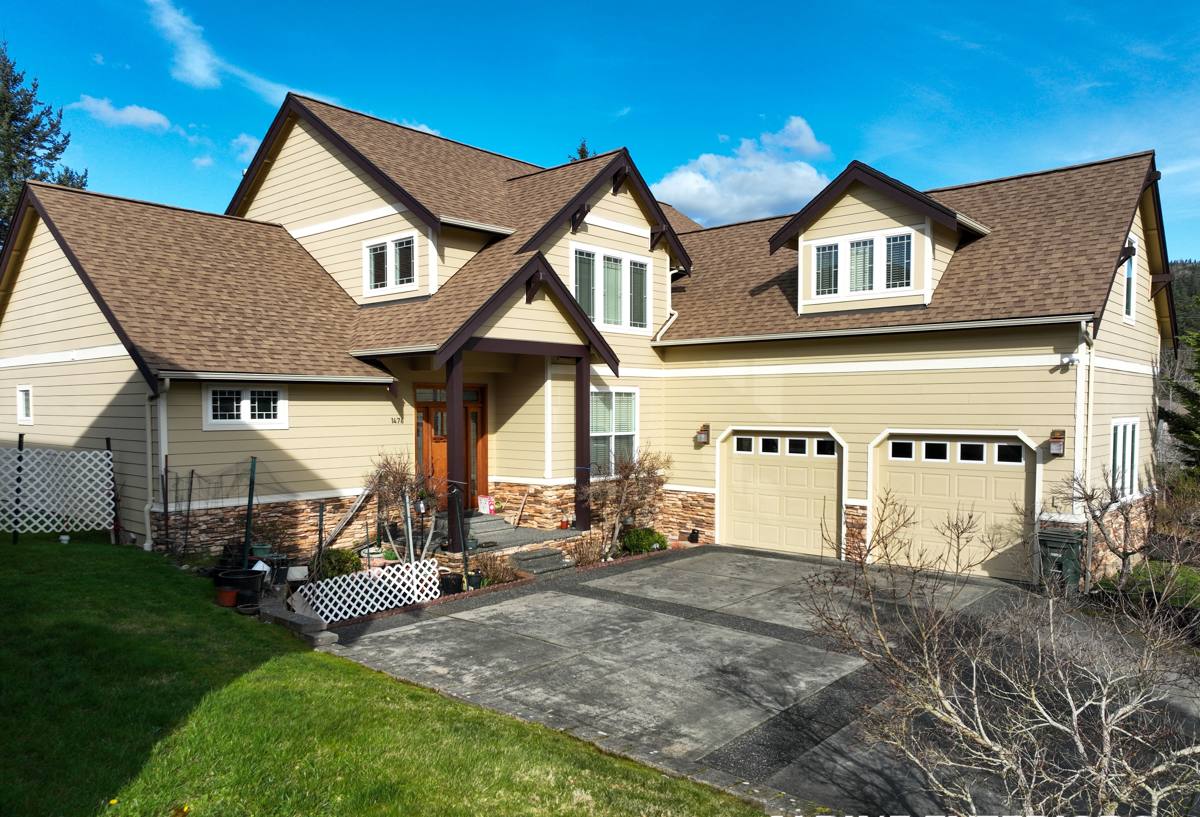
What South Tampa's Climate Actually Does to Siding
Salt Air and Coastal Exposure
Proximity to the bay means airborne salt settles on exterior surfaces continuously, not just during storms. Salt is corrosive to fasteners and hard on paint films and coatings that aren't formulated to resist it. Over years, that exposure accelerates fading, chalking, and finish breakdown on products with weaker factory finishes — and it can corrode standard fasteners if the wrong hardware is used.
Humidity and Moisture Cycling
Tampa's humidity doesn't let up for much of the year. Siding materials that absorb moisture swell, and materials that swell and dry repeatedly are prone to warping, cupping, and eventually rot at seams and edges. Any product with wood content in its core is especially vulnerable to this cycle, particularly at cut edges and butt joints where moisture can wick in if they aren't properly sealed.
UV Exposure
Florida sun is intense and consistent nearly year-round. Paint and coatings that aren't UV-stable will fade unevenly, especially on south- and west-facing walls, which is often the first cosmetic failure homeowners notice on lower-grade siding.
Hurricane Wind and Wind-Driven Rain
South Tampa sits in a wind-exposed zone, and every storm season brings the possibility of sustained high winds and rain driven sideways into the wall. Siding needs to stay fastened under wind load, and the water-resistive barrier and flashing details behind it need to shed wind-driven rain rather than let it track into the wall cavity. This is where installation quality matters as much as the material itself.
Why We Install Only James Hardie in This Market
We don't install vinyl, LP SmartSide, primed wood, cedar, or other fiber cement brands. That's a deliberate standard, not a sales pitch, and it's especially relevant in a coastal, storm-exposed market like South Tampa:
- Fiber cement composition: James Hardie siding is non-combustible and doesn't have the wood content that makes engineered wood products vulnerable to moisture-driven swelling and rot at cut edges.
- ColorPlus factory finish: A baked-on, multi-coat finish applied under controlled conditions holds color and resists UV fade and chipping far better than field-applied paint, which matters under Tampa's sun exposure.
- HZ5 engineering: Hardie's HZ5 product line is engineered for the Gulf Coast's humidity and moisture-cycling profile specifically, which is the profile South Tampa sits squarely in.
- Wind performance when installed to spec: Fiber cement lap siding, correctly fastened per manufacturer and code requirements, holds up under the wind loads this area sees during named storms.
- Transferable warranty: A strong, transferable manufacturer warranty adds real value if the home sells, which matters in an active market like South Tampa.
We'd rather stand behind one product system we trust completely than offer a menu of options with different long-term outcomes.
What Correct Installation Involves
The siding panel itself is only part of the equation — most siding failures we get called to inspect trace back to installation shortcuts, not the material. A correct James Hardie install in a climate like this includes:
Water-Resistive Barrier and Flashing
A properly lapped weather-resistive barrier behind the siding, with correctly integrated flashing at windows, doors, and any wall penetrations, is what actually keeps wind-driven rain out of the wall assembly. Siding sheds the bulk of the water; the barrier and flashing handle what gets past it.
Fastening Pattern and Hardware
James Hardie specifies fastener type, spacing, and placement for a reason — correct nailing pattern is directly tied to wind resistance. In a salt-air environment, using corrosion-resistant fasteners (rather than standard hardware) is non-negotiable; the wrong fastener can rust and stain the siding face within a few years.
Clearances and Gaps
Hardie requires specific clearances from grade, roofing, and other transitions, plus gapping at butt joints and trim to allow for expansion. Skipping these details is a common cause of moisture intrusion and premature caulk failure.
Joint Treatment and Caulking
Butt joints, corners, and trim intersections need to be treated with the right sealant and technique. In this climate, caulk quality and application matter more than in drier regions because the joints are wet, then dry, then wet again on a near-daily cycle.
Comparing Siding Options for a South Tampa Home
| Factor | James Hardie Fiber Cement | Vinyl | Engineered Wood (e.g. LP SmartSide) |
|---|---|---|---|
| Salt air / coastal exposure | Engineered coastal line (HZ5), factory finish resists chalking | Can become brittle and discolor with prolonged UV and salt exposure | Vulnerable at cut edges and joints if moisture gets in |
| Humidity / moisture cycling | No wood content to swell or rot | Doesn't absorb moisture but can warp in extreme heat | Wood-based core is moisture-sensitive over time |
| UV fade resistance | Baked-on ColorPlus finish, strong fade resistance | Fades over time, especially darker colors | Depends entirely on field-applied paint quality and upkeep |
| Hurricane wind performance | Strong when installed to Hardie spec and local code | Lower wind ratings; can be dislodged in high wind | Reasonable if installed and maintained correctly |
| Fire resistance | Non-combustible | Combustible | Combustible |
| Long-term maintenance | Low; occasional wash and caulk check | Low, but replacement panels are common after storm damage | Higher; paint upkeep is critical to prevent moisture damage |
Our Process for a South Tampa Install
- On-site assessment: We inspect the current siding, sheathing, and any signs of existing moisture damage before quoting anything — you can't price a job accurately without seeing what's under the surface.
- Product and color selection: We walk through James Hardie's HZ5 lines and ColorPlus palette so the finished look fits the home and the neighborhood.
- Tear-off and substrate check: Old siding comes off and we check the sheathing and framing underneath for rot or prior water intrusion before anything new goes up.
- Water-resistive barrier and flashing installation: This layer goes in correctly the first time — it's the part that's invisible once the job is done but does the most work over the life of the siding.
- Hardie panel installation: Installed to manufacturer fastening specs and local building code, with corrosion-resistant hardware appropriate for coastal exposure.
- Trim, joint, and caulk detailing: Corners, butt joints, and penetrations are sealed with attention to the expansion gaps Hardie requires.
- Final walkthrough: We go over the finished work with you before calling the job complete.
Why Local Experience in South Tampa Matters
A crew that regularly works South Tampa understands the specific exposure profile of homes in this part of Hillsborough County — how close they sit to the bay, how storm tracks tend to hit this peninsula, and how humidity behaves differently a few blocks from the water versus further inland. That local pattern recognition shows up in small decisions: fastener choice, flashing details around window and door openings, and how much clearance to leave at grade on a lot that may flood during heavy rain events. It also means we're not learning the area's building department requirements or inspection expectations on your job — we already know them.
Signs Your Current Siding May Be Struggling
- Visible warping, buckling, or soft spots, especially near the bottom courses or around window trim
- Paint that's chalking, peeling, or fading unevenly on sun-exposed walls
- Staining or streaking near fasteners, which can point to corroding hardware
- Gaps opening up at butt joints or corners where caulk has failed
- Any soft or spongy feel to the wall when pressed near the base of the siding
- Visible damage after a storm — cracked, missing, or dislodged panels
If you're seeing any of these signs, it's worth having the siding and the wall behind it inspected before the next storm season, not after.
If you're weighing a siding replacement or repair for a South Tampa home, we're happy to take a look and walk you through what we see — no pressure, no obligation. Reach out below for a free estimate.