 Tampa Window
 Roof Repair Built for South Tampa's Coastal Exposure
South Tampa sits closer to the water than most of Hillsborough County, and that proximity changes what a roof has to survive. Homes here take on a mix of stresses that inland properties don't see in the same combination: salt-laden air that accelerates corrosion on fasteners and flashing, intense year-round UV that breaks down roofing materials faster, and the wind-driven rain that comes with Gulf storms and seasonal downpours. When hurricane-force winds move through, they don't just test a roof's ability to stay attached — they test every seam, every penetration, and every place where two roofing materials meet.
A roof repair in this part of Tampa needs to account for all of that, not just patch the symptom that's visible from the ground. We work on roofs throughout South Tampa regularly, and the patterns of failure we see here are consistent enough that we've built our repair process specifically around them.
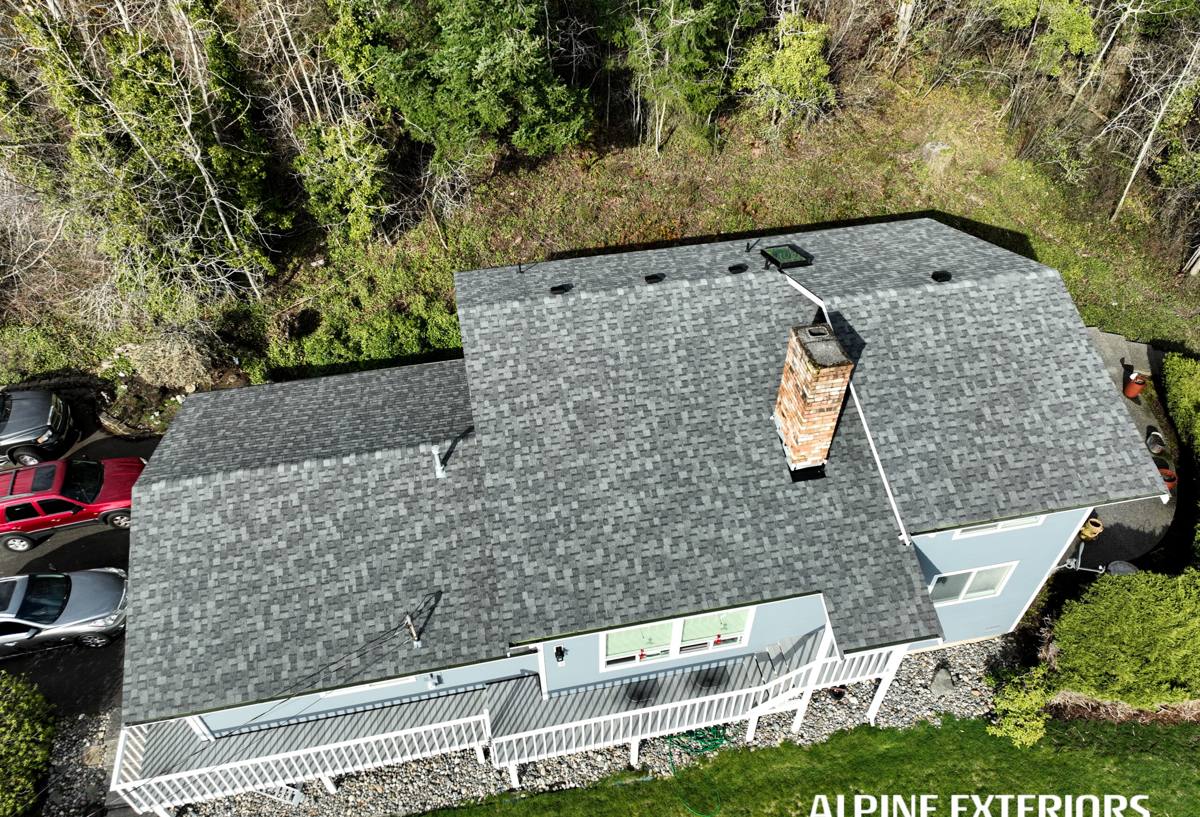
What South Tampa's Climate Actually Does to a Roof
Salt Air and Corrosion
Metal components — nails, screws, flashing, drip edge, and vent stacks — corrode faster near the water. Once a fastener starts to rust, it loses holding power, and a roof deck that's supposed to be securely attached to the structure below starts to work loose in high winds. This is a slow process, which is exactly why it's easy to miss during a quick visual check.
UV Degradation
Florida sun is hard on any roofing material. Asphalt shingles lose their oils and granules over time, becoming brittle and prone to cracking. Sealants and caulking around flashing dry out and shrink, opening tiny gaps that don't leak right away but eventually do. A roof that looks intact from the street can already have UV-damaged materials that are one storm away from failing.
Wind-Driven Rain
Ordinary rain falls straight down and mostly runs off a properly shingled roof. Wind-driven rain during a Gulf storm comes in sideways and can be forced up and under shingles, around vent boots, and through gaps in flashing that would never leak under normal conditions. This is the mechanism behind most of the "mystery leaks" homeowners report after a windstorm — water didn't come through the roof field, it came through an edge or penetration point.
Hurricane-Force Wind Loads
Even when a storm doesn't cause obvious damage, repeated wind loading fatigues fasteners and seams. A roof that survived one storm without a repair may still have weakened attachment points that fail in the next one. This is why we treat "no visible damage" and "no damage" as two different things.
Common South Tampa Roof Repair Issues We See
- Lifted or missing shingles along ridge lines and roof edges, where wind uplift is strongest
- Cracked or deteriorated pipe boots and vent flashing, a frequent source of slow leaks
- Corroded fasteners and flashing near the coast, especially on older roofs
- Sealant failure around chimneys, skylights, and roof-to-wall transitions
- Granule loss and brittle shingles from sustained UV exposure
- Water staining on interior ceilings that traces back to a small, hard-to-spot exterior gap
- Debris damage from wind-blown branches or storm debris during hurricane season
What a Correct Roof Repair Actually Involves
A roof repair that holds up in this environment is not just about covering the spot where water is getting in. It requires understanding why the failure happened in the first place, because a repair that ignores the root cause tends to fail again in the next storm season.
Diagnosis Before Repair
Water often travels along the roof deck or down a rafter before it shows up as a stain inside the house, so the visible leak location and the actual entry point can be several feet apart. A correct repair starts with tracing the path, not patching where the ceiling stain is.
Matching Materials and Installation Method
Repairs need to use materials compatible with the existing roof system — mismatched shingles, incompatible sealants, or improperly lapped flashing can create new leak paths even when the immediate problem is fixed. Flashing needs to be integrated correctly with the surrounding shingles or roofing material, not simply caulked over.
Addressing the Coastal Factors
Because of the salt air and UV exposure common to South Tampa, we favor corrosion-resistant fasteners and flashing materials, and we check surrounding sealant and adjacent shingles for early degradation rather than only touching the failure point itself. A repair that ignores visibly aging material nearby is often a repeat service call waiting to happen.
Our Repair Process
- Inspection. We assess the affected area and the roof more broadly, since one failure point often signals others nearby that haven't leaked yet.
- Diagnosis. We trace the actual water path and identify the root cause, not just the visible symptom.
- Honest scope and estimate. We explain what needs to be repaired, why, and what it will cost — no upsell to a full re-roof unless the roof's condition genuinely warrants that conversation.
- Repair. We use materials matched to your existing roof system and installation methods suited to this region's wind and moisture exposure.
- Verification. We check the repair area and surrounding sections before calling the job done, so you're not back to square one after the next storm.
Repair vs. Replacement: How We Help You Decide
| Factor | Repair Usually Makes Sense | Replacement Worth Discussing |
|---|---|---|
| Age of roof | Well within expected lifespan | Near or past typical service life for the material |
| Extent of damage | Isolated to one area or component | Widespread across multiple sections |
| Underlying material condition | Surrounding shingles/flashing still sound | Significant brittleness, granule loss, or corrosion nearby |
| Leak history | First occurrence or clearly isolated cause | Recurring leaks in different spots over time |
| Storm exposure | Minor wind or debris event | Repeated hurricane-season stress with cumulative wear |
We won't recommend a full replacement when a targeted repair will genuinely hold up — but we also won't patch a roof that's showing broader signs of age just to avoid a harder conversation. Our estimate reflects what we actually see on your roof.
Why a Crew That Works South Tampa Regularly Matters
Roofing problems in this part of Hillsborough County have a specific character shaped by salt exposure, storm patterns, and sun intensity. A crew that repairs roofs across a wide mix of inland and coastal conditions learns to recognize these patterns quickly — where wind uplift typically starts, which flashing details tend to fail first near the water, and how UV exposure ages materials differently than it does further inland. That familiarity shortens diagnosis time and reduces the chance of a repair that misses a secondary problem.
It also means showing up prepared for the realities of working in this area — permitting and code requirements that reflect Florida's wind-resistance standards, and scheduling that accounts for hurricane season demand without cutting corners on the actual repair work.
Storm Season Preparedness and Post-Storm Repairs
Florida's hurricane season puts extra pressure on roof repair timing. Before storm season, a proactive inspection can catch loosening flashing, aging sealant, or weakened fasteners before they become an active leak during a major wind event. After a storm, the priority shifts to identifying damage quickly — even minor-looking issues like a few lifted shingles or a cracked pipe boot can let significant water in in a subsequent event if left unaddressed.
If your roof took on wind or debris damage, documenting the damage promptly matters both for the repair itself and for any insurance claim you may need to file. We can provide a clear description of what we find during our inspection to support that process.
Homeowner Checklist: Signs Your Roof Needs a Repair Inspection
- Water stains or discoloration on interior ceilings or upper walls
- Visible missing, cracked, or curling shingles from the ground
- Granules collecting in gutters or at downspout outlets
- Soft spots or sagging areas on the roof surface
- Daylight visible through the attic where there shouldn't be any
- Rusted or visibly deteriorated flashing around chimneys, vents, or skylights
- A musty smell in upper rooms or the attic, which can indicate trapped moisture
What to Expect When You Call Us
We schedule an inspection, walk the roof (or use appropriate access methods depending on pitch and safety), and give you a straightforward explanation of what we found — in plain language, not a sales pitch. If it's a repair, we tell you what's involved and what it costs. If the roof's overall condition suggests replacement is the more sensible long-term choice, we'll say so and explain why, but that's a decision we leave with you.
If you're noticing a leak, storm damage, or just want a professional set of eyes on a South Tampa roof before the next storm season, we're happy to take a look. Reach out for a free, no-pressure estimate using the form below.