 Tampa Window
 Custom Decks in South Tampa: Built for the Peninsula, Not Just Any Backyard
South Tampa sits on a peninsula surrounded by Tampa Bay, Hillsborough Bay, and Old Tampa Bay, which means most homes here are closer to salt water and open water wind than almost anywhere else in the county. That changes what a deck needs to survive. A deck built for an inland Hillsborough County lot and a deck built two or three blocks from the water are not the same project, even if they look identical on paper. Fastener choice, board spacing, footing depth, and even which side of the house the deck faces all shift once you're working this close to the bay.
We build and install custom decks throughout South Tampa with that context built into the plan from day one, not added as an afterthought after something starts to fail.
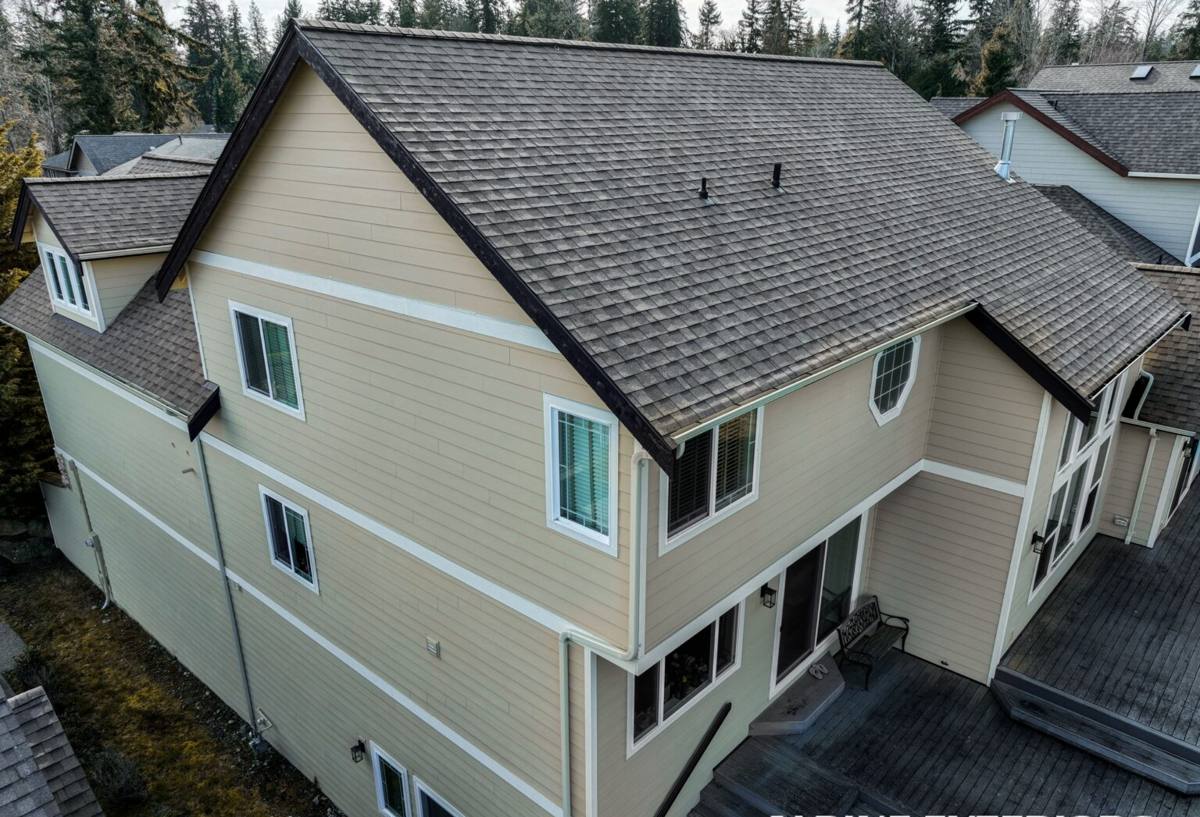
What the Climate Actually Does to a Deck Here
Tampa's climate is hard on outdoor structures in more ways than most homeowners expect. It's not just heat.
Sun and UV
Florida gets some of the most intense year-round UV exposure in the country. On wood decking, that UV breaks down surface fibers and accelerates graying, splintering, and checking, especially on boards with full afternoon sun exposure. On composite decking, UV is what eventually fades color if the capping and pigment quality aren't good to begin with.
Wind-Driven Rain and Humidity
Afternoon storms are a daily summer fact of life in the Tampa Bay area, and the rain rarely falls straight down — bay breezes push it sideways into railings, ledger boards, and fastener heads. Combined with Florida's humidity, this is exactly the environment that causes moisture to get trapped where it shouldn't, particularly at the ledger board connection to the house and anywhere end grain is exposed.
Salt Air
South Tampa's proximity to open water means salt-laden air reaches decks even without direct bay views. Salt accelerates corrosion on fasteners, brackets, and any exposed metal hardware. This is one of the biggest differences between building here and building further inland — hardware that would be fine in Brandon or Plant City can corrode noticeably faster in South Tampa.
Hurricane-Force Wind
Hillsborough County sits in an active hurricane corridor, and South Tampa's peninsula location means wind exposure from multiple directions depending on storm track. A deck's structural connections — post-to-beam, beam-to-ledger, and footing depth — matter more here than the decking material on top ever will.
What a Correctly Built Deck Looks Like in This Environment
A deck that holds up in South Tampa isn't defined by the decking brand on top. It's defined by what's underneath and how it's fastened together. Here's what we consider non-negotiable on every custom deck we build in this area:
- Proper ledger board flashing where the deck attaches to the house, so wind-driven rain can't work its way behind the siding or into the rim joist
- Stainless steel or coated corrosion-resistant fasteners throughout, not standard exterior-grade hardware that's fine in drier climates but degrades faster in salt air
- Footings poured to local frost-free depth and county-required specs, sized for the wind and load requirements of the structure above
- Joist hangers and structural connectors rated for the actual span and load, installed with the correct fastener type for each connector — mixing hardware is a common shortcut that weakens the connection
- Ventilation and drainage planning underneath the deck so standing water and trapped humidity don't sit against structural wood
- Post bases that keep wood off direct ground or concrete contact, reducing moisture wicking at the most vulnerable point of any wood post
Choosing a Decking Material for South Tampa
There's no single "best" decking material — there's a best fit for your budget, maintenance tolerance, and how exposed your deck is to sun and rain. We walk every South Tampa homeowner through these trade-offs honestly rather than pushing whatever has the highest margin.
| Material | Upfront Cost | Maintenance | How It Handles This Climate |
|---|---|---|---|
| Pressure-treated wood | Lowest | Highest — annual sealing/staining recommended | Needs consistent upkeep to resist humidity and UV; skipping maintenance shortens lifespan noticeably |
| Composite decking | Mid to high | Low — occasional washing | Strong UV and moisture resistance when capped on all sides; a solid long-term fit for full-sun South Tampa lots |
| Tropical hardwood | High | Moderate — periodic oiling | Naturally dense and rot-resistant, but still needs care in salt air to prevent surface graying |
| PVC decking | High | Very low | Fully synthetic, handles humidity and UV well, though it can run hotter underfoot in direct sun |
Whatever material you choose, we treat the substructure — framing, fasteners, footings — as the part that determines how long the deck actually lasts. The decking on top is largely a finish decision; the frame underneath is a structural one.
Design Considerations Specific to South Tampa Lots
Wind and Sun Orientation
Where your deck faces relative to prevailing bay breezes and afternoon sun affects both comfort and long-term wear. A west-facing deck with no shade structure will take the brunt of Florida's harshest afternoon UV; that's worth planning for with pergolas, shade sails, or covered sections rather than discovering it after the fact.
Lot Size and Setback Rules
South Tampa's older, denser neighborhoods often mean tighter lots and closer setbacks than newer suburban development elsewhere in the county. Permitting and setback requirements should be checked against your specific parcel before design work goes far — we handle that verification as part of the process rather than leaving it for the homeowner to sort out.
Elevation and Drainage
Because South Tampa sits low relative to sea level in many areas, drainage planning around and under a new deck matters more here than in higher-elevation parts of the county. Poor grading under a deck can trap water against footings and framing over time.
Our Process for a South Tampa Deck Project
- On-site assessment — we walk the lot, check sun exposure, wind exposure, drainage, and existing structure (if replacing an old deck)
- Design and material discussion — honest conversation about budget, maintenance appetite, and which materials actually fit the site
- Permitting — we handle the Hillsborough County and City of Tampa permitting requirements that apply to your project
- Framing and structural build — footings, posts, beams, joists, and all connection hardware installed to code and to our own higher fastener standard
- Decking and finish work — surface material, railings, stairs, and any lighting or shade features
- Final walkthrough — we go over the completed deck with you before calling the job done
Common Mistakes We See on Older or Poorly Built Decks
When we're called out to inspect or replace an existing deck in South Tampa, the same handful of problems show up repeatedly:
- Ledger boards attached without proper flashing, leading to hidden rot behind the connection point
- Standard (non-corrosion-resistant) fasteners used on a deck within a few blocks of the bay
- Undersized or shallow footings that were fine at first but shift or heave over time
- No drainage or airflow planned underneath low-clearance decks, trapping humidity against the frame
- Decking boards installed tight with no expansion gap, causing buckling as Florida humidity swings seasonally
None of these are visible from the surface when a deck is new. They show up two, five, or ten years later — which is exactly why the build quality underneath matters more than how the deck looks on installation day.
Repair, Replacement, or New Build
Not every deck problem means starting over. If the substructure — footings, posts, main framing — is still sound, we can often replace decking boards, railings, or stairs without rebuilding the frame. If the framing itself shows rot, corrosion damage, or was undersized from the start, a full rebuild is usually the more honest recommendation, since patching a compromised structure just delays the same problem. We'll tell you plainly which situation you're in after an inspection, not just quote the bigger job by default.
Why Hire a Crew That Already Works South Tampa
A contractor who builds decks across a wide, generic service area treats every job the same way. A crew that regularly works South Tampa specifically already knows the difference between a lot facing open water and one set back a few blocks, already accounts for salt exposure in hardware choices without being asked, and already understands the permitting and inspection process for this part of Hillsborough County. That local familiarity shows up in fewer surprises during the build and a deck that's actually specified for the environment it's sitting in — not a generic spec sheet applied to a bay-side lot.
If you're planning a new deck or need an honest look at an existing one, we're happy to come out, walk the site, and give you a straightforward, no-pressure estimate. Use the form below to get started.