 Tampa Window
 Siding Repair Built for South Tampa's Climate
South Tampa sits closer to the water than most of Hillsborough County, and that proximity shapes what happens to a home's exterior over time. Bayshore Boulevard, the peninsulas along the bay, and the older, tree-canopied streets throughout the neighborhood all share the same exposure: salt-laden air moving in off the water, intense subtropical humidity, and direct hits from hurricane-season wind and rain. Siding here doesn't fail because it's old. It fails because it was never matched to this specific combination of stressors in the first place, or because a previous repair was done as a patch instead of a proper fix.
We work on siding across the greater Tampa area, and South Tampa homes show a consistent pattern: moisture intrusion at panel seams, coastal salt air accelerating corrosion on fasteners and trim, and wind-driven rain finding its way behind siding that was installed with gaps too tight or flashing details skipped. Understanding that pattern is what separates a repair that lasts from one you'll be paying for again in three years.
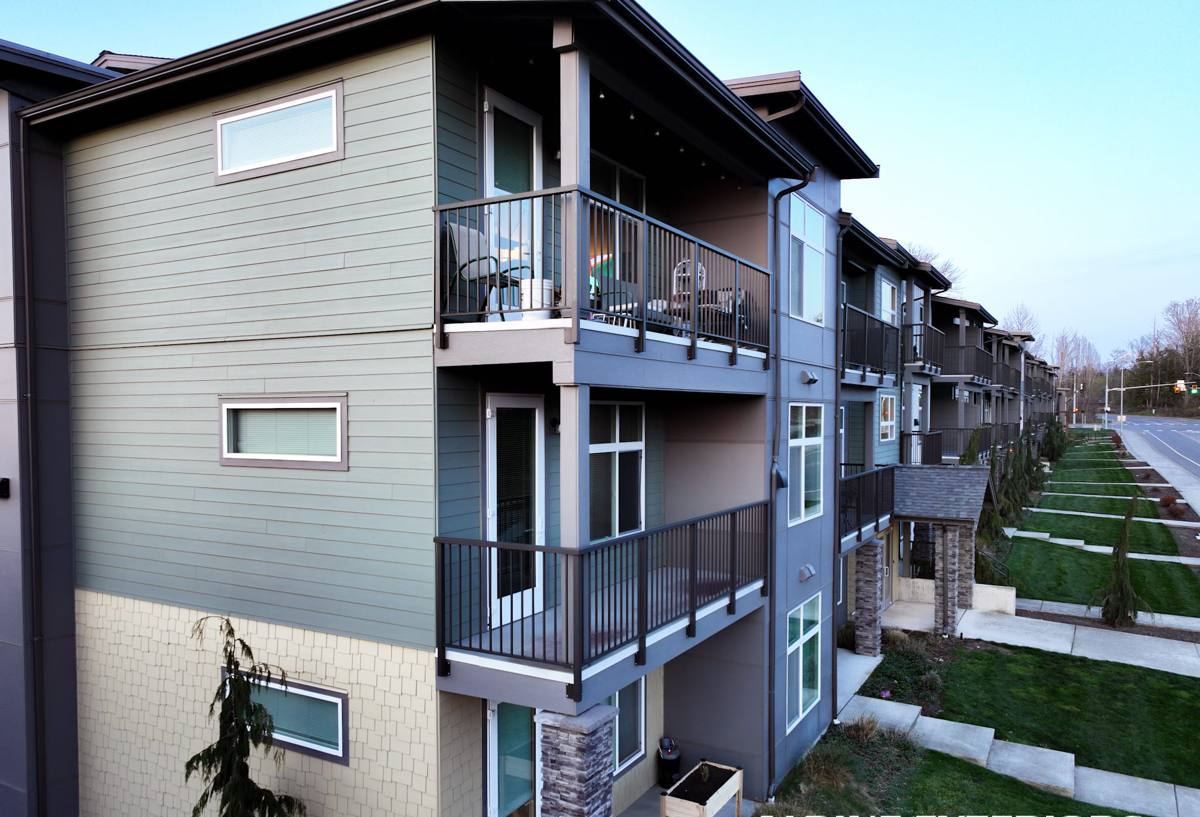
What South Tampa's Climate Does to Siding
Salt Air and Coastal Humidity
Homes within a mile or two of Hillsborough Bay deal with airborne salt that settles on exterior surfaces daily. On its own, salt residue is mostly a cosmetic and cleaning issue. Combined with Florida's humidity, though, it becomes corrosive — steel fasteners, uncoated trim pieces, and any exposed metal flashing degrade faster than they would inland. Once a fastener starts to rust, it loses its grip, siding panels loosen, and water gets a path behind the cladding.
Hurricane-Force Wind and Wind-Driven Rain
Tampa sits in an active hurricane corridor, and even storms that don't make a direct landfall send sustained wind and heavy rain through the area every season. Wind doesn't just rattle loose panels — it drives rain sideways, forcing water into any seam, nail hole, or butt joint that isn't sealed and flashed correctly. That's why so much siding damage in this neighborhood shows up after a storm even when the siding looked fine the week before: the vulnerability was already there, waiting for enough wind pressure to expose it.
Year-Round UV Exposure
Florida sun is relentless, and South Tampa's older housing stock has often gone through multiple paint cycles as a result. UV breaks down paint film and, on products not engineered for it, the substrate underneath. Repeated expansion and contraction from heat cycling also stresses caulked joints and seams, which is a big reason why so many siding repairs in this climate start at the seams rather than in the middle of a panel.
Signs Your South Tampa Home Needs Siding Repair
- Soft or spongy spots when you press on the siding, especially near the bottom edge or around windows
- Visible cracking, splitting, or buckling panels
- Peeling or bubbling paint that keeps coming back in the same spots
- Dark staining or streaking that suggests water is tracking behind the siding
- Rust bleeding from nail heads or trim fasteners
- Gaps opening up at seams, corners, or where siding meets trim, window, or door frames
- Higher indoor humidity or musty smell near exterior walls, which can point to moisture already inside the wall assembly
- Visible damage after a named storm or a season of heavy wind — even if it looks minor
Any one of these on its own might be minor. Several together, or damage that's spread since the last time you looked, usually means water has already gotten past the surface and into the wall assembly.
What a Correct Repair Actually Involves
A lot of siding "repair" in this market is cosmetic — caulk over a crack, a fresh coat of paint, a patch that matches color but not structure. That approach buys a season or two, not a solution. A repair done right starts with figuring out why the damage happened, not just what it looks like.
Our process
- Inspect the full assembly, not just the visible siding. We check for water behind the cladding, condition of the underlying sheathing, and whether flashing at windows, doors, and roof lines is doing its job.
- Identify the source, not just the symptom. A cracked panel might be the visible problem, but the real cause could be a failed seam three feet away that's been feeding water into that section for months.
- Remove and replace damaged material properly. If sheathing or framing underneath has taken on moisture damage, that gets addressed before any new siding goes back on — patching over a wet wall just traps the problem.
- Match materials and match them correctly. Color, profile, and reveal need to line up with the existing siding, and fasteners and flashing details need to meet the same standard as new installation, not a shortcut version of it.
- Re-seal and re-flash the vulnerable points. Seams, corners, and penetrations get the attention that likely caused the original failure — this is the step that determines whether the repair holds through the next storm season or not.
Repair vs. Replacement: How We Decide
| Factor | Repair is usually right | Replacement is usually right |
|---|---|---|
| Extent of damage | Isolated to one area or a few panels | Spread across multiple elevations |
| Underlying sheathing | Dry, structurally sound | Soft, rotted, or water-stained |
| Age of existing siding | Under 10-15 years, in otherwise good condition | Original siding nearing or past its service life |
| Material type | Fiber cement with a clean matching source | Discontinued product, or a material we don't stand behind long-term |
| Storm damage pattern | Single storm event, localized | Cumulative damage from years of exposure |
We'll always tell you honestly which category your home falls into. A repair recommendation when replacement would just delay the inevitable doesn't serve you, and neither does a replacement pitch when a targeted repair will genuinely hold.
Why We Repair With James Hardie Fiber Cement — Not Vinyl, Not Wood-Based Alternatives
When a repair calls for new material, or when a section of siding has failed enough that patching it doesn't make sense, what we install matters as much as how we install it. We work exclusively with James Hardie fiber cement siding, and in a coastal, storm-exposed neighborhood like South Tampa, that choice isn't incidental.
Vinyl siding can crack and become brittle from impact, and in sustained high wind it's more prone to being torn loose at the fastening points than a properly installed fiber cement panel. Wood-based and engineered wood products bring a moisture-management burden that's tough to keep up with in a climate this humid — any breach in the factory coating opens the door to swelling and rot, and Gulf Coast humidity doesn't give those products much room for error. James Hardie's fiber cement is non-combustible, engineered specifically for humid climates through its HZ5 product line, and finished with a factory-applied ColorPlus coating that resists the fading and peeling that Tampa's UV load causes on field-painted materials. It also carries a strong, transferable warranty — meaningful for South Tampa's active resale market, where a documented warranty on exterior work is a real selling point.
None of this means every other product is a bad product in every situation. It means that after years of doing repair and replacement work in this specific climate, fiber cement engineered for humidity and wind is what we're willing to put our name behind — and it's the only siding system we install.
Why Hire a Crew That Already Works South Tampa
Siding repair isn't a one-size-fits-all trade, and coastal Tampa work isn't the same as siding repair in a dry inland climate. A crew that regularly works this neighborhood already knows which failure patterns show up near the water versus further inland, understands the wind-load and code considerations that come with hurricane-prone construction, and has already worked through the logistics of older South Tampa lots, tree cover, and tight side yards that come with the territory. That local pattern recognition is often the difference between a repair that addresses the actual cause and one that just covers up the symptom until the next storm season.
It also matters for timing. Storm season creates real demand spikes, and homeowners who've already got a relationship with a local crew tend to get faster answers when damage shows up after a weather event.
What to Expect When You Call Us
- An honest inspection that looks past the visible damage to check what's happening underneath
- A clear explanation of what caused the failure — not just what we'll fix
- A straight answer on repair versus replacement, with the reasoning behind it
- Work scoped and priced before anything starts, no surprise add-ons
- Fiber cement material and installation detailing built for this climate, not a generic patch job
If your South Tampa home has siding that's cracking, staining, gapping, or showing damage after a storm, we're happy to take a look. Reach out for a free, no-pressure estimate — someone who works this neighborhood will walk the exterior with you and give you a straight read on what it needs, using the form below.