 Tampa Window
 South Tampa sits close enough to the bay and the Gulf that its homes take a different kind of beating than roofs a few miles inland. Between hurricane-force wind events, wind-driven rain, salt-laden air, and some of the most intense year-round UV exposure in the country, a roof here is doing more work than it would almost anywhere else in the state. A correct new roof installation has to account for all of that from the deck up, not just the shingles on top.
What South Tampa's Climate Actually Does to a Roof
Every roofing material breaks down eventually, but the pace and pattern of that breakdown in South Tampa follows a few predictable paths:
- Wind uplift: Tropical systems and seasonal squalls push wind up under roof edges, ridges, and any loose or under-fastened material. Most failures during a storm start at an edge, not the middle of a roof field.
- Wind-driven rain intrusion: Water doesn't need a hole to get in during a wind event — it can be driven sideways and upward under flashing, vents, and lap seams that would shed water fine in a normal rainstorm.
- UV degradation: Hillsborough County gets intense sun exposure nearly year-round, which dries out asphalt oils in shingles, chalks and fades coatings, and accelerates aging on anything not rated for high-UV climates.
- Salt air corrosion: Proximity to Tampa Bay means airborne salt reaches roofing hardware, exposed fasteners, and metal flashing faster than it would inland, which matters a lot for material and fastener choice.
None of these are exotic problems — they're the normal operating conditions for a South Tampa roof. The difference between a roof that holds up for its full expected life and one that fails early usually comes down to whether the installer treated these as design factors or as afterthoughts.
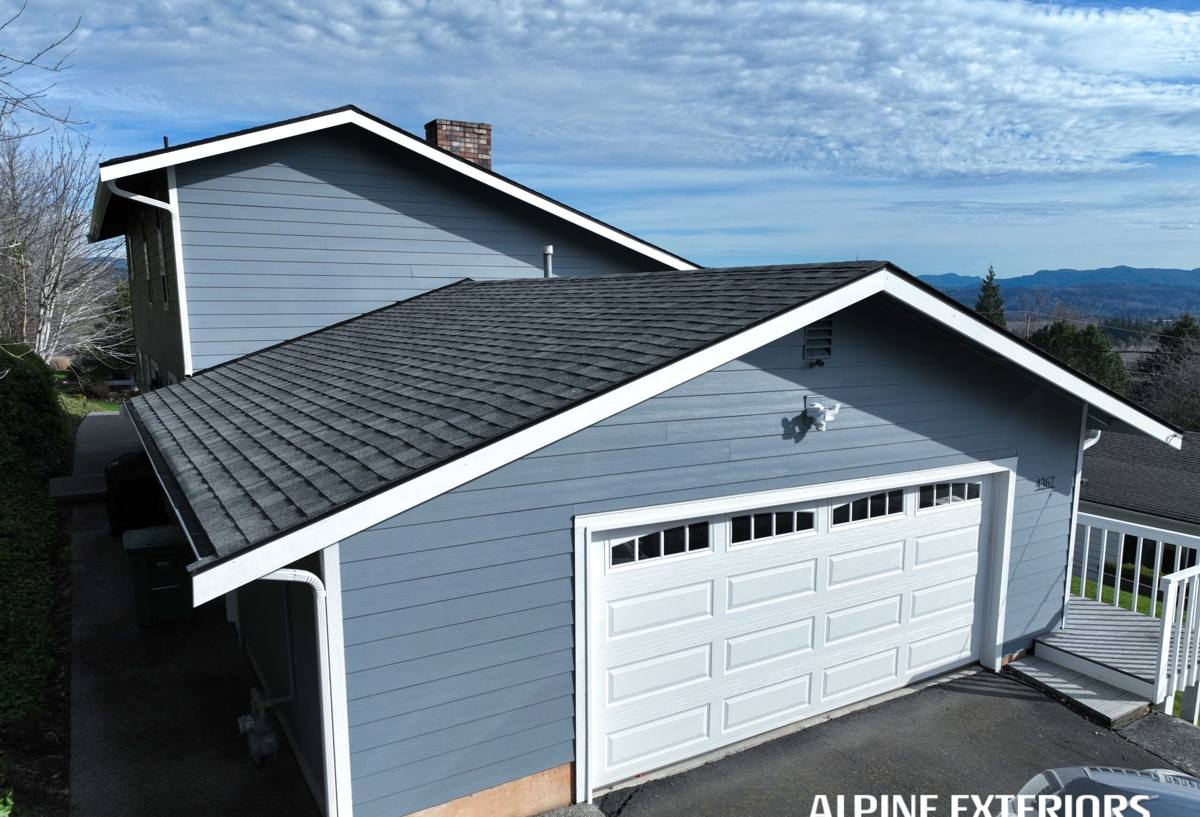
Building Code and Permitting for Hillsborough County
Roof installation in this area is governed by the Florida Building Code, which sets minimum wind-speed design requirements, fastening schedules, and underlayment standards specific to our wind zone. South Tampa isn't in the state's High-Velocity Hurricane Zone (that designation applies further south), but it is within a wind-borne debris region, which still carries meaningfully stricter requirements than what you'd see in a low-wind inland state.
In practice, this affects things homeowners don't usually see once the roof is finished:
- Nailing patterns and fastener counts for shingles, which are stricter than the manufacturer's minimum in many wind zones
- Underlayment type and installation method, since code treats it as a real water barrier, not just a slip sheet
- Flashing details at valleys, walls, chimneys, and any roof penetration
- Ridge and hip fastening, which is where a lot of storm damage actually starts
A permit and inspection are required for a full roof replacement in Hillsborough County. That inspection process exists to catch shortcuts before they're covered up, and it's one of the reasons a homeowner should never let a contractor talk them into skipping the permit "to save time."
Choosing a Roofing System for a South Tampa Home
There's no single "best" roof material — the right choice depends on budget, how long you plan to own the home, the roof's pitch and shape, and how much maintenance you're willing to do. Here's how the common options compare for this climate specifically:
| Material | Typical Lifespan | Wind/Storm Performance | Salt Air / UV Behavior | Maintenance |
|---|---|---|---|---|
| Architectural asphalt shingle | 20–30 years | Good, when installed with high-wind fastening and rated products | UV causes gradual granule loss; standard for most South Tampa homes | Low, periodic inspection |
| Metal (standing seam or coated panel) | 40–50+ years | Excellent uplift resistance with proper clip spacing | Needs coastal-rated coatings and fasteners near the bay | Very low |
| Concrete or clay tile | 40–50+ years | Heavy and stable, but individual tiles can crack or dislodge in high wind | Handles UV and salt very well; underlayment is the weak point | Moderate — occasional tile replacement |
Shingles remain the most common choice in South Tampa because they balance upfront cost, appearance, and code-compliant wind performance well. Metal and tile cost more up front but can make sense for homeowners planning to stay long-term or who want to reduce how often the roof comes up again as a maintenance item.
A Note on Product Selection
We install manufacturer systems that carry documented wind ratings appropriate for this region and that come with a workable warranty structure, rather than the cheapest product available at a given moment. Some lower-cost or thinner-profile products save money on the front end but bring more maintenance sensitivity, less forgiving installation tolerances, or warranty terms that shift more risk onto the homeowner. We're upfront about those trade-offs before you buy, not after.
What a Correct Installation Actually Involves
A roof looks the same from the street whether it was installed correctly or not — the difference shows up years later, usually during the next big storm. A proper installation includes:
- Full tear-off of the old roofing material down to the deck, rather than layering over existing shingles.
- Deck inspection and repair, replacing any wood that's soft, delaminated, or water-damaged before anything new goes down.
- A code-compliant underlayment, often a self-adhered or synthetic product suited to wind-driven rain conditions rather than the thinnest felt allowed.
- Proper flashing at every valley, wall intersection, chimney, and penetration — this is where the majority of leaks originate.
- High-wind fastening schedules for shingles, ridge caps, and hips, matched to the wind zone rather than the manufacturer's baseline minimum.
- Balanced attic ventilation, which affects shingle temperature, moisture buildup, and long-term roof deck health.
- Drip edge and starter course details at eaves and rakes, which protect the most wind-exposed edges of the roof.
Skipping or rushing any one of these doesn't usually cause an immediate problem — it shows up as a leak two years later or shingles peeling back in the next tropical storm.
Our Process for a South Tampa Re-Roof
We keep the process straightforward and communicate at each step, since a roof replacement is disruptive enough without added uncertainty:
- Inspection and estimate: We assess the current roof, deck condition where visible, ventilation, and any problem areas, then walk through material options and an honest cost range.
- Permitting: We pull the required Hillsborough County permit before work begins — this isn't optional, and any contractor willing to skip it is telling you something about how they'll handle the rest of the job.
- Material selection and scheduling: Once you've chosen a system, we order materials and schedule around weather windows, since tear-off day needs a reasonably dry forecast.
- Tear-off and deck work: Old roofing comes off, the deck is inspected, and any damaged sheathing is replaced before dry-in.
- Dry-in and installation: Underlayment, flashing, and the roofing material go on in sequence, with attention to the fastening and flashing details above.
- Inspection: The county inspection is scheduled and passed before the job is considered complete.
- Cleanup and walkthrough: We clear debris and nails from the property and walk the finished roof with you.
Cost Factors Worth Understanding
Roofing costs vary by roof size, pitch, complexity, and material, but a few South Tampa-specific factors tend to move the number more than homeowners expect:
| Factor | Why It Matters Here |
|---|---|
| Deck condition | Older homes near the bay sometimes have hidden moisture damage that isn't visible until tear-off |
| Roof complexity | Valleys, dormers, and multiple roof planes take more labor and flashing detail than a simple gable roof |
| Wind-rated fastening and underlayment | Code-compliant materials for this wind zone cost more than baseline products, but reduce storm risk |
| Ventilation upgrades | Adding or correcting attic ventilation during a re-roof is far cheaper than doing it as a separate project later |
We give a written estimate that breaks these out, so you know what you're paying for rather than a single lump number.
Signs a South Tampa Roof May Need Replacement Rather Than Repair
- Shingles that are cupping, curling, or losing granules across large sections rather than one isolated spot
- Visible sagging anywhere on the roof deck
- Repeated leaks in different locations after previous repairs
- Roof age approaching or past its material's expected lifespan, especially after several storm seasons
- Daylight visible through the attic decking
- Missing or lifted shingles after a wind event, especially near ridges and edges
Why Local Experience Matters for This Job
A crew that regularly works South Tampa roofs already knows the county's permitting process, the inspection expectations, and the wind and salt-air conditions specific to homes this close to the water. That experience shows up in small decisions — fastener material choice, flashing details on the coastal side of a home, ventilation balance — that a crew unfamiliar with the area might not think to adjust for. It also means faster scheduling for permit pulls and inspections, since those relationships and processes are already established.
If you're weighing a repair against a full replacement, or just want a straight answer on what condition your roof is really in, we're happy to take a look. The form below gets you a free, no-pressure estimate with no obligation to move forward.