 Tampa Window
 Roofing Built for South Tampa's Specific Conditions
South Tampa sits close enough to Hillsborough Bay and the Gulf that homes here take on a different kind of weather punishment than roofs further inland. It isn't one single threat — it's several working on the roof at once, year after year. Hurricane-force winds during storm season test every nail and shingle tab. Intense, near year-round UV breaks down asphalt oils and granules faster than in milder climates. Wind-driven rain finds any gap in flashing or underlayment and pushes water sideways, not just down. And salt air, even a few miles from open water, accelerates corrosion on exposed metal fasteners, flashing, and vents. A roof that would hold up fine in a drier, calmer part of the country can fail early here if it wasn't installed with these specific stresses in mind.
That's the starting point for how we think about asphalt shingle roofing in this neighborhood. It's not a generic install — it's a system that has to perform against wind uplift, UV degradation, and moisture intrusion simultaneously, for decades, on a roof that will eventually take a direct hit from a tropical system.
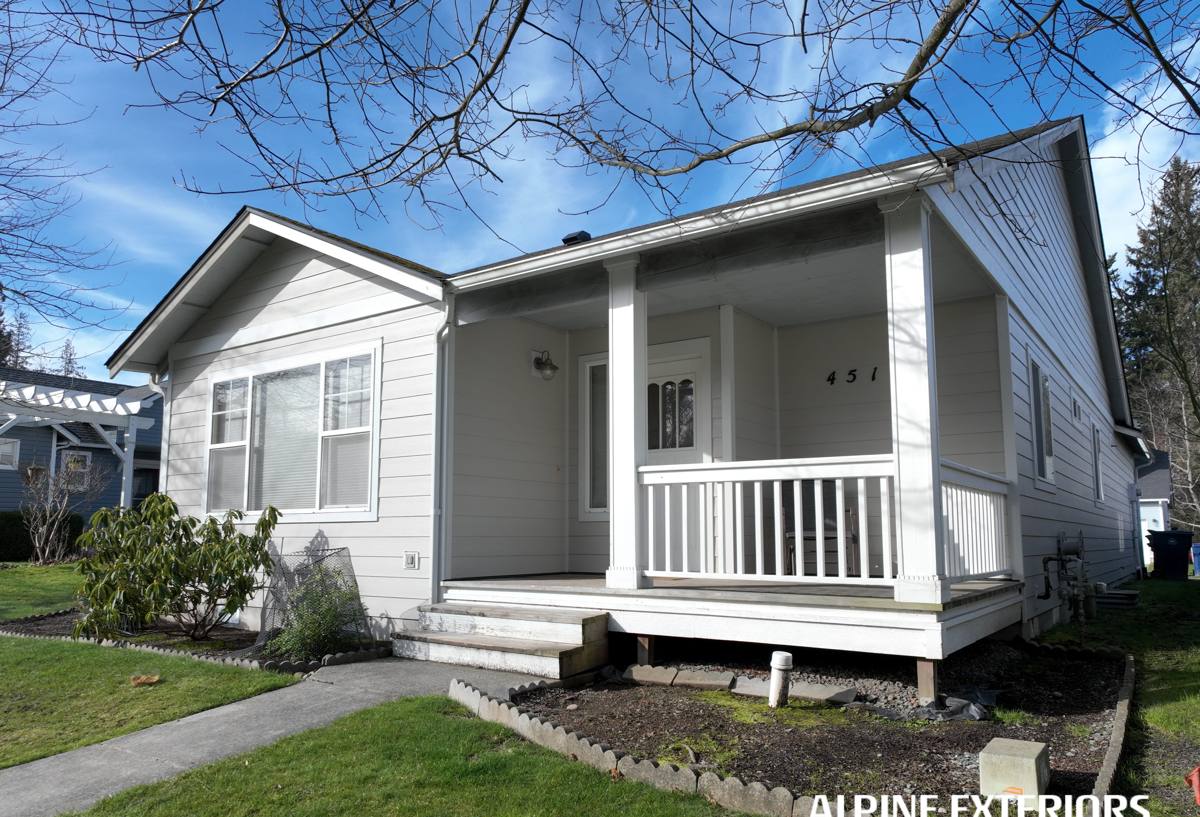
What a Correct Asphalt Shingle Roof Job Actually Involves
A shingle roof is a layered system. Every layer has a job, and skipping or under-building any one of them is usually what causes the failures homeowners call us about — not the shingles themselves.
Tear-Off vs. Overlay
Installing new shingles over an existing layer is faster and cheaper, but it traps heat, hides deck damage, and voids many manufacturer warranties. On a South Tampa home, we treat a full tear-off as the standard, not the upsell. It lets us inspect the deck, replace any wood that's soft or delaminated from years of humidity, and start the new system on a clean, sound surface. Given the wind loads this area sees, a roof that isn't fully fastened to solid decking is a weak point, not a shortcut worth taking.
Underlayment
The underlayment is the roof's backup waterproofing layer, and it matters more here than in drier regions. We use synthetic or self-adhering underlayment products rated for high-wind, high-moisture climates, with particular attention to the eaves, valleys, and any low-slope transitions where wind-driven rain tends to intrude. In coastal-adjacent Florida construction, this layer is often what keeps a home dry even if a few shingles are damaged in a storm.
Flashing and Penetrations
Chimneys, skylights, plumbing vents, and wall-to-roof transitions are where most leaks actually start — not in the open field of shingles. Flashing has to be properly lapped, sealed, and, given the salt air, made of corrosion-resistant materials rather than bare, unprotected steel that will rust prematurely this close to the bay.
Fastening for Wind
Shingle wind rating is only as good as the nailing pattern behind it. We follow manufacturer nailing specifications precisely — correct nail count, placement, and depth — because in a hurricane-prone county, under-driven or misplaced nails are one of the most common reasons shingles lift or blow off in a storm that the shingle itself was rated to survive.
Ventilation
Intense, sustained Florida sun bakes attics, and poor ventilation shortens shingle life from underneath — heat and trapped moisture degrade the shingle mat and underlayment even when the surface looks fine. Balanced intake and exhaust ventilation is part of a correct install, not an optional add-on.
Choosing the Right Shingle for This Area
Not every asphalt shingle product is a good match for a home exposed to salt air and hurricane winds. We walk homeowners through the real trade-offs rather than defaulting to whatever is cheapest.
| Shingle Type | Typical Wind Rating | Best Fit For | Trade-Offs |
|---|---|---|---|
| 3-Tab Asphalt | Lower (often 60-70 mph) | Budget-conscious re-roofs, secondary structures | Shorter lifespan, less wind resistance for this climate |
| Architectural (Laminated) | Moderate to high (110-130 mph, product-dependent) | Most South Tampa homes | Higher upfront cost than 3-tab, but far better fit for local wind and UV exposure |
| Impact-Rated / High-Wind Architectural | High (130 mph+, some rated higher) | Homes prioritizing storm resilience or seeking insurance credits | Highest material cost; installation precision matters even more to realize the rating |
For most South Tampa homes, we steer people toward architectural shingles rated for the wind speeds this area actually sees, not the national average. The rating on the wrapper only holds up if the install underneath it — decking, underlayment, and nailing — is done to match. We're honest with homeowners when a cheaper shingle line isn't a good match for a home this close to the water; it's a maintenance and longevity trade-off we'd rather explain up front than have someone discover after the next named storm.
Our Process, Start to Finish
- Inspection and honest assessment. We look at the current roof, the deck condition where visible, ventilation, and any signs of past leaks before recommending repair versus replacement.
- Clear, written scope. What's being torn off, what underlayment and flashing will be used, the shingle product and wind rating, and what happens to any deck repairs if they're found once we open the roof up.
- Tear-off and deck inspection. Full removal of the old roofing system, with any compromised decking replaced before anything new goes down.
- Underlayment and flashing installation. Built for this climate's wind-driven rain, with extra attention at valleys, eaves, and penetrations.
- Shingle installation to manufacturer spec. Correct nailing pattern and placement, not a rushed field application.
- Ventilation check. Confirming intake and exhaust are balanced for the attic's size and the Florida heat load.
- Final walkthrough and cleanup. Site cleared, debris and nails swept from the yard, and the finished roof reviewed with the homeowner.
Signs a South Tampa Roof Needs Attention
Because sun and salt air work on a roof continuously, not just during storms, it's worth knowing what to watch for between named weather events.
- Granules collecting in gutters or at downspout outlets — a sign the shingle surface is wearing down
- Curling, cupping, or cracked shingle tabs, especially on south- and west-facing slopes that take the most direct sun
- Rust staining or streaking near flashing, vents, or fasteners
- Soft spots or sagging when walked on, which can indicate deck damage underneath
- Visible daylight or water stains in the attic, particularly around chimneys, skylights, or vent penetrations
- Shingles that lifted or went missing after a storm, even a relatively minor one
- A roof approaching or past 15-20 years old that hasn't had a professional inspection recently
Any one of these on its own isn't necessarily an emergency, but they're worth having looked at before the next hurricane season rather than after.
Why Hiring a Crew That Already Works This Area Matters
Roofing rules and expectations in Hillsborough County aren't identical to a roofing job in a landlocked state. Permitting requirements, wind mitigation standards, and inspection processes reflect the fact that this is a hurricane-exposed coastal county, and a crew that works here regularly already knows how to navigate that instead of learning it on your project. That includes understanding what local permitting offices expect on documentation, how wind mitigation inspections factor into insurance premiums, and which products and installation methods actually hold up to repeated South Tampa storm seasons rather than just meeting a minimum code requirement on paper.
There's also a practical, on-the-ground reason it matters: a crew that's worked on homes throughout the neighborhood has already seen how the local housing stock, roof pitches, and common deck conditions behave under this climate. That familiarity shows up in fewer surprises once a tear-off actually starts.
Maintenance and Warranty Considerations
A correctly installed shingle roof in this climate still benefits from periodic attention. We recommend a visual inspection after major storms and roughly once a year otherwise, clearing debris from valleys and gutters, and addressing minor flashing or sealant issues before they become leaks. Manufacturer warranties on shingles are typically tied to proper installation — including ventilation and nailing pattern — which is another reason installation quality matters as much as the product label itself. We're upfront about what's covered by manufacturer warranty versus workmanship warranty so there's no confusion later if something needs attention.
A Roof That's Actually Built for South Tampa
The combination of hurricane-force wind exposure, relentless UV, and salt air isn't something every roofing crew accounts for by default — it takes deliberate choices in materials, underlayment, flashing, and fastening to build a shingle roof that holds up here rather than just meeting a minimum standard. If your roof is showing wear, due for replacement, or you simply want an honest opinion on where it stands, we're happy to take a look and walk you through what we find. Reach out for a free, no-pressure estimate using the form below.