 Tampa Window
 Why South Tampa Homes Need a Different Approach to Window Replacement
South Tampa sits closer to open water than most of the rest of Hillsborough County, and that changes what a window has to survive. Homes along the peninsula take on salt-laden air from Tampa Bay and Hillsborough Bay, stronger straight-line winds during storms, and long, unbroken hours of direct sun for most of the year. A window that would be perfectly fine in a shaded inland neighborhood can fail early here — seals break down faster, hardware corrodes, and frames warp or chalk under UV exposure. When we quote a window replacement in South Tampa, we're factoring in this microclimate specifically, not just applying a generic Tampa Bay spec.
The neighborhood also has a wide mix of housing stock — older bungalows and Mediterranean-style homes near the water, mid-century ranches, and newer construction and renovations further inland. Each of those brings different window openings, different existing frame materials, and different code requirements depending on when the structure was permitted. Getting the replacement right means measuring and specifying for the actual house in front of us, not a one-size-fits-all product line.
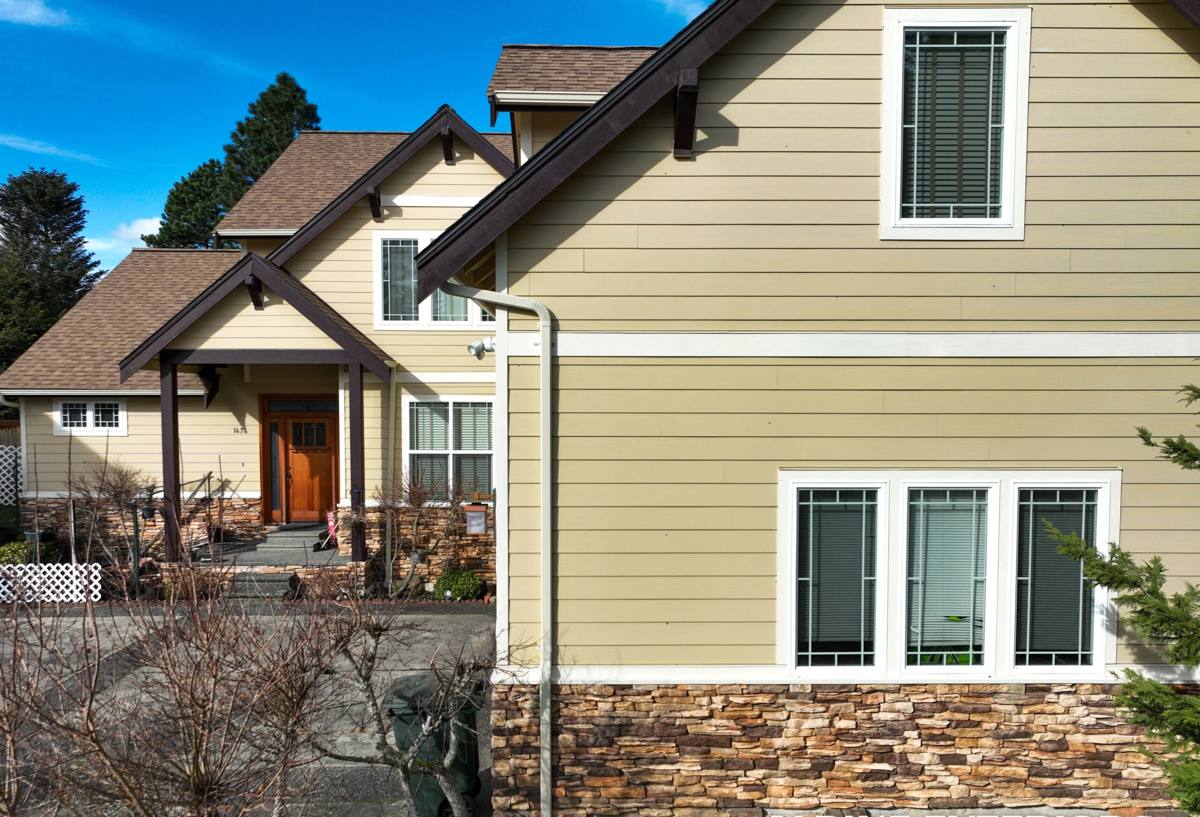
What South Tampa's Climate Actually Does to Windows
Salt Air and Corrosion
Proximity to the bay means airborne salt settles on window frames, hardware, and screens year-round, not just after a storm. On lower-grade aluminum and unprotected steel components, this accelerates pitting and corrosion of hinges, locks, and balance hardware. Vinyl and properly coated aluminum resist this much better, but the fasteners and hardware still matter — cheap hardware is often the first thing to fail on a coastal-adjacent home.
UV Exposure
Florida sun is intense nearly all year, and homes with southern and western exposure in South Tampa take the brunt of it on their window walls. UV breaks down vinyl plasticizers over time, causing brittleness and discoloration, and it degrades low-quality seals and glazing compounds faster than manufacturers' marketing sometimes suggests. Glass packages with a proper Low-E coating and UV-blocking interlayers hold up dramatically better and also cut down on interior fading of floors and furniture.
Wind and Wind-Driven Rain
Hillsborough County's wind-borne debris requirements exist because hurricane-force gusts can turn ordinary yard debris into a projectile, and pressure differentials from a breached window can do serious damage to a roof structure from the inside out. Just as important day-to-day is wind-driven rain — sideways rain during a normal thunderstorm can find its way past a poorly flashed or improperly sealed window even when the glass itself is fine. Most of the water intrusion complaints we see on older installs trace back to installation and flashing mistakes, not the window product itself.
What a Correct Window Replacement Involves
Replacing a window is not just popping out an old unit and caulking in a new one. Done right, it includes:
- Accurate measurement of the rough opening, accounting for any settling or out-of-square conditions common in older South Tampa homes
- Removal of the old window and inspection of the surrounding framing and sill for rot, moisture damage, or prior water intrusion
- Repair of any compromised wood or substrate before the new window goes in — installing a new window over a damaged sill just hides the problem
- Proper flashing and integration with the home's existing weather-resistive barrier so water is directed out, not into the wall cavity
- Setting the window level, plumb, and square, with shims and fasteners rated for the wind load requirements of the opening
- Low-expansion foam or backer rod and sealant in the gap — not just spray foam alone, which can bow frames if overfilled
- Exterior and interior trim and caulking sized and finished to match the home
- A final operation check — every sash, lock, and screen should open, close, and lock smoothly before we consider the job done
Skipping or rushing any one of these steps is how homeowners end up with a window that looks fine for a year or two and then leaks, sticks, or fails a wind event it should have handled.
Choosing the Right Window for a South Tampa Home
Impact-Rated vs. Non-Impact with Shutters
Homeowners in South Tampa generally choose between impact-rated windows (laminated glass built to resist wind-borne debris without additional coverings) and standard windows paired with separate hurricane shutters or panels. Impact-rated windows cost more upfront but mean one less thing to manage before a storm, plus year-round benefits like better sound dampening and UV blocking. Shutter systems can lower the window cost itself but require the homeowner to actually deploy them before every storm, and they don't help with daily UV or noise. There's no universally "right" answer — it depends on budget, how the home is used, and whether the homeowner wants a passive or active storm-prep approach.
Frame Material
Vinyl is the most common choice for straightforward replacements — it doesn't corrode, handles humidity well, and is competitively priced. Aluminum, when properly finished, holds up to coastal air and is often used where a slimmer sightline or larger custom size is needed. Wood-clad options exist for homes where matching a historic or architectural look matters, but they require more upkeep in a humid, salt-air environment and aren't the low-maintenance choice for most South Tampa homeowners. We'll walk through the honest maintenance trade-offs of each rather than pushing whatever is easiest to install.
| Factor | What to Consider |
|---|---|
| Frame material | Vinyl (low maintenance, corrosion-proof) vs. aluminum (slim sightlines, needs quality coating) vs. wood-clad (highest upkeep in humidity) |
| Glass package | Low-E coating and UV-blocking interlayers cut fading and heat gain; single-pane is not appropriate for this climate |
| Impact rating | Impact-rated glass vs. standard glass with separate shutters — affects cost, storm prep effort, and daily noise/UV performance |
| Installation condition | Rot, prior water damage, or out-of-square openings add labor before the window itself goes in |
| Window count and size | Larger openings and full-house replacements have better per-unit pricing than one-off replacements |
| Code and permitting | Wind load and product approval requirements vary by opening size and exposure, affecting product options |
Our Process for South Tampa Window Replacement
We keep the process straightforward and communicate at each step:
- On-site assessment: We inspect every opening, note the condition of the existing frames and sills, and measure for accurate specification.
- Product and quote review: We walk through frame material, glass package, and impact-rating options with honest cost and trade-off explanations — no pressure toward the most expensive option if it's not what the home needs.
- Permitting: Window replacements in Hillsborough County typically require a permit, and impact-rated products need to meet current product approval standards for the area. We handle this so the homeowner isn't chasing paperwork.
- Installation: Careful removal, substrate repair as needed, proper flashing and sealing, and precise setting of each window.
- Final walkthrough: We test every window's operation and check the finish work with the homeowner before calling the job complete.
What to Check Before You Hire Anyone
- Are they licensed to work in Hillsborough County and insured for the work?
- Do they pull permits, or ask you to skip that step?
- Will they inspect and address rot or water damage before installing, or just install over it?
- Do they explain product options in plain terms, including trade-offs, rather than pushing one brand regardless of fit?
- Do they stand behind both the product warranty and their own installation workmanship?
Why Local Installation Experience Matters
A crew that regularly works South Tampa openings already understands the mix of older and newer construction in the area, knows what wind load and product approval requirements typically apply, and has seen firsthand how salt air and UV exposure age different products over a few years — not just at install. That experience shows up in details: choosing hardware that won't corrode prematurely near the water, flashing details that account for wind-driven rain instead of just vertical rain, and realistic guidance on which upgrades are worth the money for a specific home's exposure. It also means fewer surprises with permitting, since local requirements and inspection expectations are already familiar territory.
Maintenance After Installation
A correctly installed, quality window still benefits from basic upkeep in this climate. Rinsing frames and tracks periodically helps clear salt residue before it accumulates on hardware. Checking weep holes for debris keeps water draining properly instead of pooling. Lubricating locks and moving hardware once or twice a year prevents the sticking that salt air and heat cycling can cause. None of this is heavy maintenance, but skipping it entirely shortens the life of even a good window.
If you're weighing window replacement for a South Tampa home, we're happy to take a look and give you a straightforward, no-pressure estimate — just fill out the form below to get started.