 Tampa Window
 Why Ybor City Siding Takes More Than a Standard Install
Ybor City sits close enough to Tampa Bay that its homes take a harder climate hit than siding manufacturers assume in their general installation guides. Between the salt-laden air drifting in off the water, the sun beating down nearly every day of the year, and the wind-driven rain that comes with Hillsborough County's storm season, siding here is under constant, low-grade attack even in a year with no hurricane at all. Add an actual tropical system, and any weak point in the siding system — a bad seam, a skipped flashing detail, a fastener pattern that wasn't rated for the wind zone — turns into the entry point for real damage.
That's the backdrop for every siding replacement we do in this neighborhood. It's not a cosmetic upgrade project; it's a building-envelope project that happens to also make the house look better.
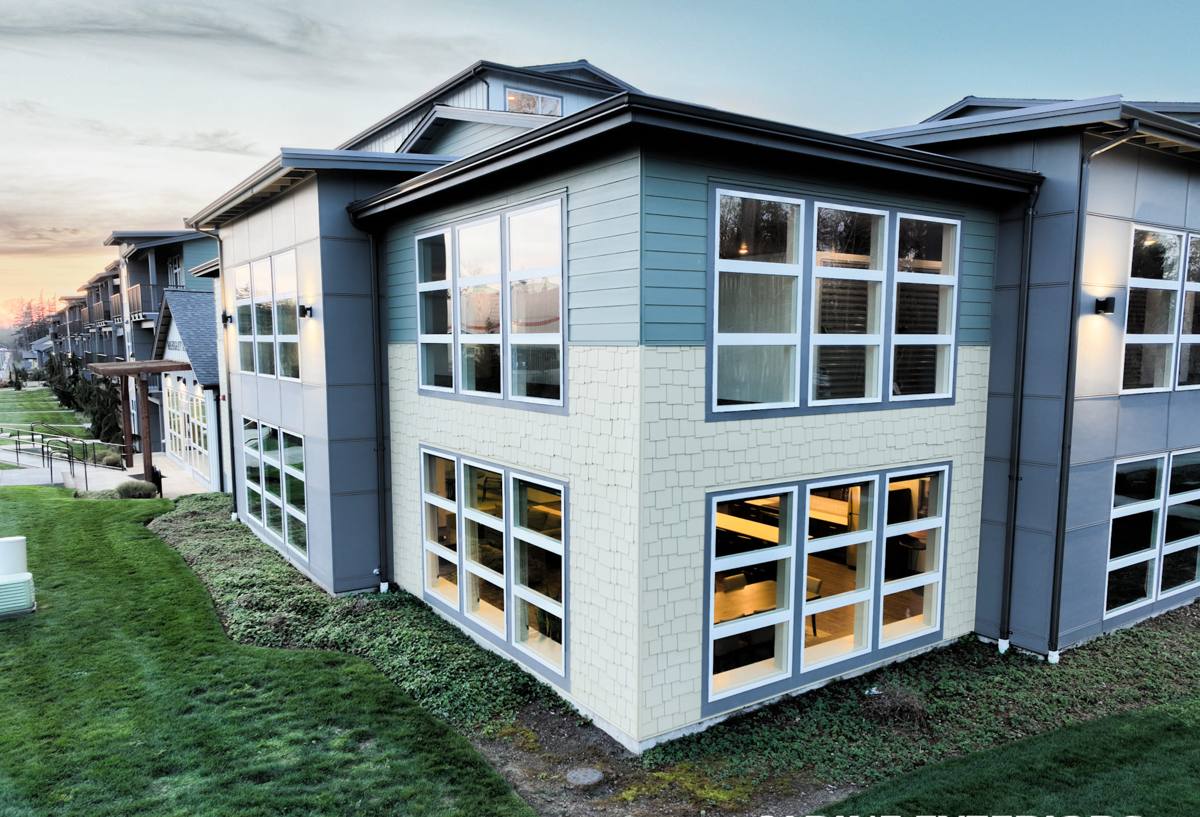
What Ybor City's Housing Stock Means for a Siding Job
Ybor City has a mix of older, close-set homes from an era when wood siding, tight lot lines, and simple roof lines were the norm, alongside newer infill and renovated properties. That mix matters for a siding contractor for a few practical reasons:
- Older wood-sided homes are often masking rot, moisture-trapped sheathing, or decades of prior repairs that only show up once the old siding comes off.
- Tight lot spacing means less room for scaffolding, material staging, and dust/debris control — the crew has to plan logistics before day one, not improvise on site.
- Many structures in this part of Tampa have architectural character worth preserving — trim profiles, porch details, window surrounds — that a siding replacement should work around, not flatten into a generic box.
- Homes this age frequently have outdated or missing weather-resistive barriers behind the old siding, which is exactly where hidden moisture problems start.
None of this is unique to Ybor City, but it's more common here than in newer Tampa-area subdivisions, and it changes how a crew should approach the tear-off phase.
What Correct Siding Replacement Actually Involves
It starts underneath the siding, not with the siding itself
The siding itself is the part homeowners see, but the work that determines whether it lasts happens before a single new board goes up. A correct replacement includes:
- Full tear-off and inspection of the sheathing underneath — not a partial peek, but a real look at every wall plane.
- Repair or replacement of any rotted or water-damaged sheathing before new material touches the wall.
- A continuous, properly lapped weather-resistive barrier, installed so water sheds outward and never gets trapped behind the new siding.
- Correct flashing at every window, door, and penetration — this is the single most common failure point in siding jobs done wrong, and the one that causes the most expensive hidden damage.
- Fastening patterns and clearances that match the manufacturer's specification for our wind zone, not just "close enough."
Then the siding goes on — to spec, not to habit
Fiber cement siding has manufacturer-published installation requirements for fastener spacing, minimum clearances from grade and roofing, joint treatment, and caulking. Those specs exist because siding that's installed loosely or with shortcuts is the siding that fails first in a coastal wind event — not because the material was wrong, but because the installation wasn't rated for the conditions it's actually facing.
Why We Only Install James Hardie Fiber Cement
We install one product line: James Hardie fiber cement siding. That's a deliberate standard, not a limitation we apologize for.
Fiber cement is non-combustible, which matters on a material level regardless of climate. But the bigger reason it's the right call for this part of Florida is that James Hardie engineers specific product formulations — their HZ5 line — for high-humidity, high-UV, storm-prone climates like ours. That's a meaningful difference from a generic siding board: the product itself is built assuming salt air, driving rain, and sustained sun exposure, rather than being a one-size-fits-all product pushed into a climate it wasn't designed for.
The factory-applied ColorPlus finish is also a real advantage here specifically. UV exposure in Tampa is intense and constant, and it's the single biggest reason field-applied paint on siding fails early — chalking, fading, and peeling well before a homeowner expects to repaint. A factory-baked finish, backed by its own finish warranty, holds color and integrity far longer under that kind of sun load than paint applied on site after installation.
We also stand behind it because the warranty is real and transferable, not a marketing line. When a product is backed that way, the manufacturer has a stake in it performing — which lines up with our own interest in not getting called back for damage on a house we sided five years ago.
Comparing Siding Options for a Coastal Tampa Climate
| Factor | Fiber Cement (James Hardie) | Vinyl | Wood / Engineered Wood |
|---|---|---|---|
| Wind/impact resistance | High when installed to spec | Moderate; can crack or blow off in high wind | Moderate; depends heavily on maintenance condition |
| UV / color stability | Factory finish resists fading for years | Can fade and become brittle over time in constant sun | Paint fades and needs recoating regularly |
| Moisture behavior | Engineered to resist moisture damage; won't rot | Doesn't rot but can trap moisture behind panels if installed poorly | Vulnerable to rot, especially with salt air and rain exposure |
| Combustibility | Non-combustible | Combustible | Combustible |
| Maintenance burden | Low — occasional wash, no repainting for years | Low, but repairs are visible (color mismatch on patches) | High — regular repainting and rot inspection needed |
None of these materials are inherently "bad." The trade-offs above are exactly why we made a standard: in a climate that hits siding this hard, we only want our name on installations we're confident will hold up for decades, not just look good on install day.
Our Process for a Ybor City Siding Replacement
- On-site assessment — we walk the exterior, check for existing moisture damage, and talk through any architectural details worth preserving.
- Tear-off and sheathing inspection — old siding comes off, and we document what's actually underneath before quoting any repair work as an add-on.
- Prep and moisture barrier — sheathing repairs, a continuous weather-resistive barrier, and correct flashing at every opening.
- Installation to manufacturer spec — James Hardie HZ5 boards installed with the fastening pattern and clearances rated for our wind zone.
- Site cleanup — old material, nails, and debris cleared from what are often tight, close-set lots.
- Final walkthrough — we go over the finished job with you before calling it done.
Signs your Ybor City home may need siding replacement now
- Visible warping, buckling, or soft spots when you press on the siding.
- Paint that's peeling or bubbling repeatedly in the same spots, which often points to moisture trapped behind the siding.
- Gaps or separation at seams, corners, or around windows and doors.
- Rising energy bills alongside noticeable drafts near exterior walls.
- Visible rot, or a musty smell in rooms along an exterior wall.
- Siding that's more than 20–25 years old and has never been fully inspected behind the surface.
Why a Crew That Already Works in Ybor City Matters
Siding work in this neighborhood isn't identical to a job in a wide-open new-construction subdivision. A crew that already works Tampa and Hillsborough County brings a few concrete advantages:
- Familiarity with local permitting and wind-load requirements that apply to exterior work in this part of the county.
- Experience working on tighter, older lots without turning a project into a logistics headache for you or your neighbors.
- An eye for the age-related surprises common in this area's housing stock — outdated barriers, old repairs, hidden rot — so they're accounted for in the plan instead of causing delays mid-project.
- A track record of installations that have actually been tested by a real Gulf Coast storm season, not just a showroom sample.
That local track record is the difference between a crew that installs siding and a crew that installs siding that's still doing its job five, ten, and twenty years from now in this specific climate.
Ready to Talk About Your Home?
If your Ybor City home's siding is showing its age — or you just want an honest read on whether it's holding up the way it should — we're happy to take a look. Fill out the form below for a free, no-pressure estimate, and we'll walk you through exactly what we see and what it would take to get it right.