 Tampa Window
 Asphalt Shingle Roofing Built for Land O' Lakes' Climate
Land O' Lakes sits inland in Pasco County, just north of the Hillsborough County line, but "inland" doesn't mean sheltered. Homes here face the same weather that shapes every roof across the greater Tampa Bay area: hurricane-force wind gusts during storm season, some of the most intense year-round UV exposure in the continental United States, wind-driven rain that gets forced sideways and upward under shingle edges rather than simply running off, and salt-tinged air that Gulf storms carry well inland. None of that makes asphalt shingle roofing the wrong material for a Land O' Lakes home. It just means the roof has to be installed by a crew accounting for those specific stresses, not one treating the job like any generic roof going on any generic house.
This page covers what a correct asphalt shingle installation or replacement actually looks like for a home in Land O' Lakes — what the local climate demands, what separates a roof that lasts from one that fails early, and how our process runs from the first inspection to final cleanup.
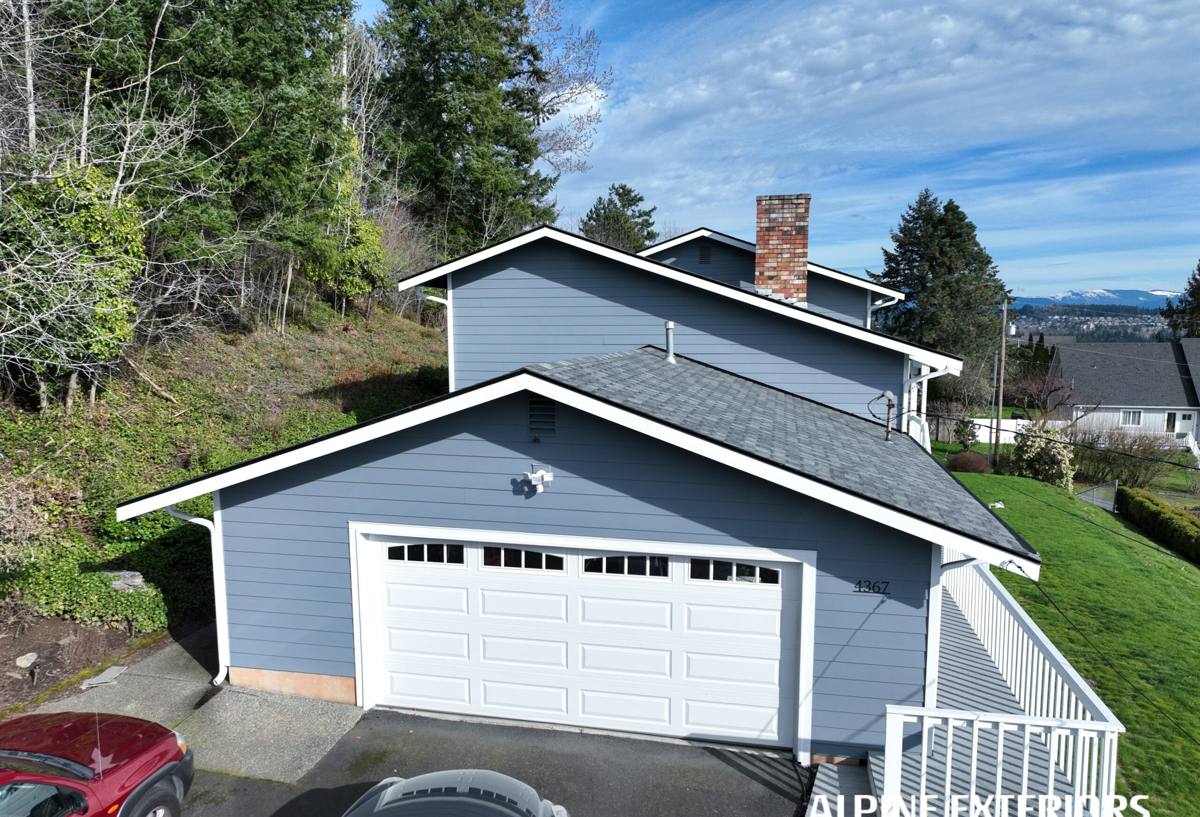
Why Asphalt Shingles Still Make Sense Here
Asphalt shingles remain the practical choice for most Land O' Lakes homes, for good reason. They cost significantly less upfront than metal or tile, they come in a wide range of colors and profiles that suit both older ranch homes and the newer two-story houses common in the area's planned communities, and if isolated damage happens later, sections can often be repaired without replacing the whole roof. What "asphalt shingles" doesn't tell you is the quality of everything underneath the visible surface — and that's exactly where Florida's weather finds its way in.
In our experience, the shingle itself is rarely the first thing to fail on a roof in this area. Failures start at the details around it: the underlayment behind the shingles, how each course is fastened, and how flashing is built at valleys, walls, and penetrations. A mid-grade shingle roof installed correctly will consistently outlast a premium shingle roof installed in a hurry.
What This Climate Actually Demands
- Wind-rated shingles and fastening: Products and installation methods need to meet the wind-speed provisions of the Florida Building Code for this area, not just a shingle's baseline rating on the wrapper.
- Sealed, self-adhered underlayment at vulnerable points: Basic felt is a weaker line of defense than synthetic or self-adhered underlayment when rain is being pushed sideways and up during a storm rather than falling straight down.
- Algae-resistant (AR) granules: Florida's heat and humidity let algae streaking take hold within just a few years on untreated shingles, especially on shaded roof planes.
- UV-stable materials: Near-constant direct sun accelerates granule loss and shingle brittleness faster here than in most of the country, which shortens the effective life of a lower-grade product.
- Balanced attic ventilation: Trapped heat and moisture under the deck work against a roof from underneath at the same time the sun is working against it from above.
What a Correct Asphalt Shingle Installation Involves
Replacing a roof isn't just stripping off old shingles and laying down new ones. Done right, it's a system-level job that starts at the deck and builds up through several layers, each doing a specific job.
Tear-Off and Deck Inspection
A full tear-off down to the plywood or OSB decking is the only way to find rot, soft spots, or hidden moisture damage that's been developing quietly underneath the old shingles. A layover install, where new shingles go directly over an existing layer, skips this step entirely and just seals whatever problems already exist under a fresh surface.
Underlayment and Water Barrier
Synthetic underlayment gives the deck a real secondary water barrier, which matters directly in a climate where wind-driven rain routinely gets forced under shingle edges during storms. Self-adhered membrane at eaves, valleys, and other high-risk transitions adds another layer of protection exactly where water is most likely to find a way in.
Wind-Rated Fastening
The nailing pattern matters as much as the shingle itself. A six-nail pattern placed correctly in the manufacturer's designated nail zone holds up to far higher wind uplift than a rushed four-nail pattern, and it's the difference between shingles that stay put through a tropical storm and ones that peel back at the edges.
Flashing at Valleys, Walls, and Penetrations
Most leaks don't start in the open field of a roof — they start at flashing. Valleys, wall transitions, and pipe or vent penetrations all need flashing that's properly lapped and integrated with the underlayment as part of the system, not caulked over as an afterthought once the shingles are already down.
Ventilation
A balanced intake-and-exhaust system, typically soffit vents paired with a ridge vent, keeps attic temperatures and moisture in check. In a climate that runs hot and humid for most of the year, poor ventilation shortens shingle life from below while the sun is already shortening it from above.
Choosing the Right Shingle for a Land O' Lakes Roof
Most homeowners are choosing between three practical tiers. Each has a real place, but the right one depends on budget, how long you plan to stay in the home, and whether an insurance credit is worth chasing.
| Shingle Type | Typical Wind Rating | Lifespan Expectation | Notes for This Area |
|---|---|---|---|
| 3-Tab | Lower end of current manufacturer ratings | 15–20 years | Lowest upfront cost; increasingly limited availability as manufacturers shift production toward laminate lines |
| Architectural / Laminate | Commonly rated well into hurricane-force range when installed to spec | 25–30 years | The most common choice locally; heavier, dimensional profile resists wind-driven rain better than 3-tab |
| Impact-Rated (Class 3/4) | Same high wind ratings, plus impact resistance | 25–30+ years | Higher upfront cost; some insurers offer premium credits — worth confirming with your agent before you decide |
What Drives the Cost of a Roof in Land O' Lakes
Two roofs of the same square footage can price out very differently. The shingle itself is only one factor.
| Factor | Why It Matters |
|---|---|
| Roof pitch and complexity | Steep roofs or ones with many valleys and hips take longer to work and need more flashing detail |
| Number of existing layers | Tearing off multiple old layers adds labor time and disposal cost |
| Decking condition | Rotted or soft decking found during tear-off has to be replaced before new shingles go down — this is rarely visible until the old roof comes off |
| Shingle tier chosen | Architectural and impact-rated shingles cost more upfront than 3-tab but often pay that back through longevity and, in some cases, insurance credits |
| Permit and code requirements | Local permitting and current Florida Building Code wind provisions can add inspection steps depending on the scope of the job |
Our Process, Start to Finish
- Free on-site inspection: We walk the roof, take measurements and photos, and assess visible deck condition before quoting anything.
- Written proposal: Shingle options, wind rating, warranty terms, and total cost laid out clearly, with no pressure to decide on the spot.
- Permitting: We pull the required permit before any work begins — this isn't optional on a roof replacement in Pasco County.
- Site protection and material staging: Landscaping, driveways, and pool areas get covered before tear-off starts.
- Tear-off and deck repair: Old material comes off down to the deck, and any rot or soft spots get replaced before anything new goes down.
- Underlayment, flashing, and shingle installation: Installed to manufacturer specification and the fastening pattern required for this wind zone.
- Final inspection and cleanup: A magnetic sweep for stray nails, full debris haul-off, and a final walk-through with you.
Signs Your Land O' Lakes Roof Needs Attention
- Granules collecting in gutters or piling up near downspouts
- Curling, cupping, or cracked shingles, especially on south- or west-facing slopes that take the most direct sun
- Shingles missing or lifted after a storm, even if no leak has shown up inside yet
- Dark streaking across the roof field, a common sign of algae growth in Florida's humidity
- Soft spots or noticeable give when the roof is walked
- Rising cooling bills that may point to poor attic ventilation rather than the AC unit itself
Why Hiring a Crew That Works Land O' Lakes Regularly Matters
A roofing crew that works this area regularly already knows the local permitting process, the wind-speed provisions that apply here, and how to schedule around Florida's predictable summer pattern of afternoon storms so exposed decking isn't left uncovered overnight. If your home is in a planned community or an HOA neighborhood — common throughout Land O' Lakes — shingle color and style often need approval before work starts, and it's worth checking that before materials are ordered rather than after.
It's also worth understanding that a shingle's manufacturer warranty and our workmanship warranty cover different things: the manufacturer stands behind material defects, while we stand behind how the roof was installed. Both matter, and we'll walk you through exactly what each one covers before you sign anything. After any major storm, a quick visual check for lifted shingles or exposed fasteners is good practice regardless of the roof's age.
If you're weighing a repair against a full replacement, or just want an honest read on where your current roof stands, we're happy to take a look. Fill out the form below for a free, no-pressure estimate on your Land O' Lakes home.