 Tampa Window
 Custom Decks Built for Ybor City's Climate and Housing Stock
Ybor City is one of the older, more character-filled neighborhoods in Tampa, and that history shows up in the housing stock — historic bungalows, shotgun houses, and a growing number of renovated and infill homes sitting close together on narrower lots. A deck here has to do two jobs at once: fit the look and scale of the property, and survive Hillsborough County's weather without turning into a maintenance headache. That second part is where a lot of decks in this area go wrong. Between hurricane-force wind events, intense year-round UV, wind-driven rain, and salt-laden air drifting in off Tampa Bay, a deck built to a generic national spec will show its age fast — fading, cupping boards, corroding fasteners, and connections that loosen well before they should.
This page focuses specifically on custom deck design and construction for Ybor City properties — what the climate demands, what a correctly built deck actually involves, and how we handle the process from first conversation to final walkthrough.
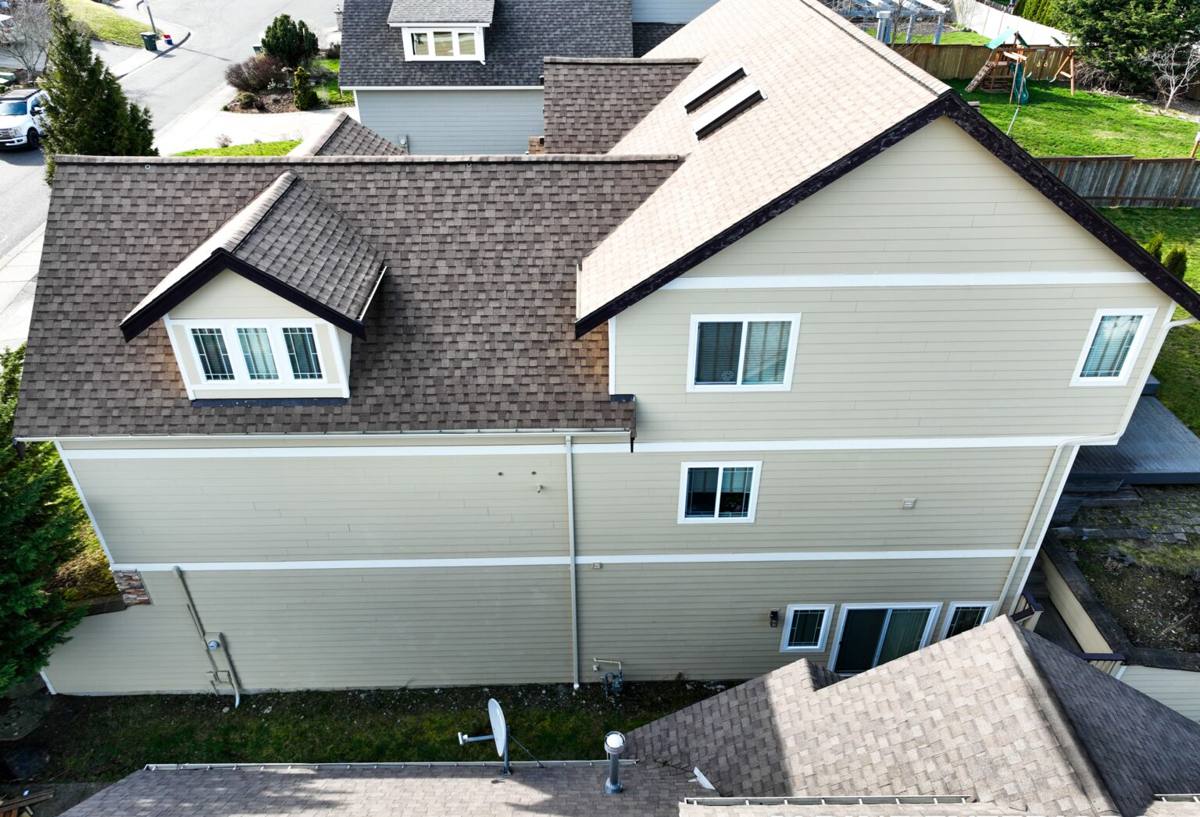
What Ybor City's Weather Actually Does to a Deck
It helps to be specific about the forces at work, because each one attacks a deck differently.
UV and Heat
Tampa gets strong, direct sun nearly year-round. On unshaded or west-facing decks, surface temperatures climb high enough to accelerate the breakdown of wood fibers and the plasticizers in composite decking. Over time this shows up as fading, graying, and — in cheaper composite products — surface chalking. Fasteners and hardware exposed to constant heat cycling also expand and contract more than in milder climates, which loosens connections faster.
Wind-Driven Rain and Humidity
Afternoon storms in this part of Florida don't just rain straight down — wind pushes moisture sideways, into joints, under railings, and against ledger boards where a deck meets the house. Combined with Hillsborough County's humidity, this creates near-constant moisture cycling: wet, dry, wet, dry. Wood that isn't properly sealed or spaced for drainage traps that moisture, which is how rot and fastener corrosion start, often from the inside out where you can't see it.
Hurricane-Force Wind Loads
A deck attached to a house is a structural element, not just a surface to walk on. During tropical storms and hurricanes, wind can create uplift and lateral loads on railings, posts, and the ledger connection. Undersized hardware or poorly fastened ledger boards are a common failure point — not because the decking itself failed, but because the connection to the house wasn't rated for the load.
Salt Air
Ybor City isn't oceanfront, but it's close enough to Tampa Bay that salt-laden air is a real factor, especially on breezy days. Salt accelerates corrosion in fasteners, brackets, and any exposed metal hardware. Standard hardware store screws and connectors that might be fine inland can start rusting and staining decking within a couple of seasons here.
What This Means for Material Choices
There's no single "best" decking material for every Ybor City home — it depends on budget, maintenance appetite, and how the deck will be used. Here's an honest comparison of the options we most often install or discuss with homeowners in this area.
| Material | Heat/UV Behavior | Moisture & Salt Resistance | Maintenance | Typical Lifespan Here |
|---|---|---|---|---|
| Pressure-treated pine | Fades and can check/crack under intense sun without regular sealing | Decent if sealed and fasteners are corrosion-rated; vulnerable if neglected | Needs re-sealing every 1-2 years in this climate | 10-15 years with upkeep |
| Tropical hardwoods (e.g., ipe) | Naturally dense, holds up well to UV with periodic oiling | Excellent natural rot resistance | Oiling needed to maintain color; will silver-gray if left untreated | 20-30+ years |
| Capped composite decking | Fade-resistant caps hold color well; can still get hot underfoot | Strong moisture resistance; check fastener/hardware ratings separately | Low — occasional washing | 25-30 year warranties common |
| Uncapped/older-style composite | More prone to fading and surface wear in high UV | Absorbs moisture more than capped versions | Moderate | 15-20 years |
Our standard on any deck we build here is corrosion-resistant fasteners and structural hardware rated for coastal or high-moisture exposure, regardless of which decking material a homeowner chooses. That's not optional in this climate — it's the difference between a deck that stays tight for decades and one that starts creaking and staining within a few years.
What a Correctly Built Deck Involves
A deck is a structural project before it's a cosmetic one. Here's what we consider non-negotiable on every custom deck build:
Foundation and Framing
Footings need to be sized and set to local code, accounting for Hillsborough County soil conditions and frost-free depth requirements (which are minimal here, but proper bearing still matters). Post spacing and beam sizing should be engineered for the actual load — not just "what looks about right."
The Ledger Connection
Where the deck attaches to the house is the single most important structural connection on the whole project. It needs proper flashing to keep water from getting behind it and into the house's wall assembly, plus lag bolts or through-bolts rated for the load — not just nails or undersized screws. A poorly flashed or under-fastened ledger is one of the most common causes of both water damage and structural failure.
Fastener and Hardware Selection
Given the salt air and humidity, we spec stainless steel or coated corrosion-resistant fasteners and structural connectors (joist hangers, post bases, hurricane ties) rather than standard galvanized hardware, which corrodes noticeably faster here.
Drainage and Spacing
Proper board spacing lets water shed instead of pooling, and framing should be sloped slightly away from the house. Trapped water under or between boards is one of the fastest routes to rot and mold.
Railings and Wind Considerations
Railings need to meet code height and baluster spacing requirements, and posts need to be secured to resist both the vertical loads of daily use and lateral wind loads during storms.
Our Process, Start to Finish
- On-site consultation: We look at the house, the lot, sun exposure, drainage patterns, and how you actually plan to use the space, then talk through material options honestly — including trade-offs, not just upsells.
- Design and layout: We plan the deck's footprint, framing layout, and railing style to fit the home and the lot, keeping in mind Ybor City's often tighter lot sizes and setback rules.
- Permitting: Deck construction in the City of Tampa typically requires a permit and inspection. We handle the permitting process so the structure is inspected and documented correctly — this matters both for safety and for resale down the line.
- Site prep and footings: We lay out and pour footings to the engineered spec before any framing goes up.
- Framing and ledger installation: Structural framing, proper ledger flashing, and corrosion-resistant hardware installation.
- Decking and railings: Installation of your chosen decking material and railing system, with attention to board spacing and drainage.
- Final inspection and walkthrough: We walk the finished deck with you, cover any maintenance recommendations specific to your material choice, and make sure everything's signed off.
Before You Sign a Contract: A Practical Checklist
Whoever you hire for a deck build in Ybor City, these are worth confirming up front:
- Are they pulling a permit through the City of Tampa, and will the work be inspected?
- What specific fastener and hardware grade are they using — is it rated for coastal/high-humidity exposure?
- How is the ledger board being flashed and attached to the house?
- What's the footing depth and spacing, and is it based on an actual load calculation for your deck's size?
- What warranty applies to labor versus materials, and who do you call if something needs adjustment after a storm season?
- Do they have current experience working on homes in your specific neighborhood, with its lot sizes and construction styles?
Why Local Experience in Ybor City Matters
A deck contractor who already works in this part of Tampa understands things a crew coming from outside the area might miss: how tight some of these lots are, what the older housing stock's framing and foundations typically look like, which permitting steps the City of Tampa expects, and just how much of a beating a deck takes here between the sun, the humidity, and hurricane season. That local familiarity shows up in fewer surprises during the build and a deck that's actually specified for the conditions it has to survive, not a generic national-average build.
We also stand behind our work with clear communication throughout the project — no vague timelines, no surprise change orders sprung on you at the end. You'll know what's happening at each stage and why.
Maintenance: Protecting Your Investment After Installation
Even a well-built deck needs some upkeep in this climate. Wood decks benefit from re-sealing every 1-2 years to fight UV and moisture damage. Composite decking generally just needs periodic washing to remove pollen, mildew, and salt residue, but it's worth checking manufacturer guidance for your specific product. On any deck, it's smart to visually check railings, stair connections, and ledger flashing after major storms — catching a loose connector or a small flashing gap early is a lot cheaper than dealing with rot or a structural repair later.
Getting Started
If you're thinking about a custom deck for your Ybor City home, we're happy to walk the property, talk through material and design options honestly, and put together a clear, no-pressure estimate. There's no obligation — just a straightforward look at what your space needs and what it would take to build it right. Use the form below to request your free estimate.