 Tampa Window
 Why Window Replacement in Lutz Is Its Own Job
Lutz sits in the northern part of Hillsborough County, close enough to Tampa to share the same weather system but with its own mix of older homes on larger lots, newer subdivisions, and lakefront properties. Windows here take a beating from a combination that doesn't let up: long stretches of intense UV, sudden afternoon thunderstorms with wind-driven rain, and the occasional hurricane threat that can push wind loads well past what a builder-grade window was ever designed to handle. Add in the humidity that never really goes away, and you have conditions that expose bad window installations faster than almost anywhere else in the country.
A window replacement in Lutz isn't just a cosmetic upgrade. It's a decision about how well your home resists water intrusion, how much your cooling bills run in July and August, and whether your window openings hold up structurally when a storm rolls through. Get the product or the installation wrong, and you'll find out during the next heavy rain or the next named storm — not before.
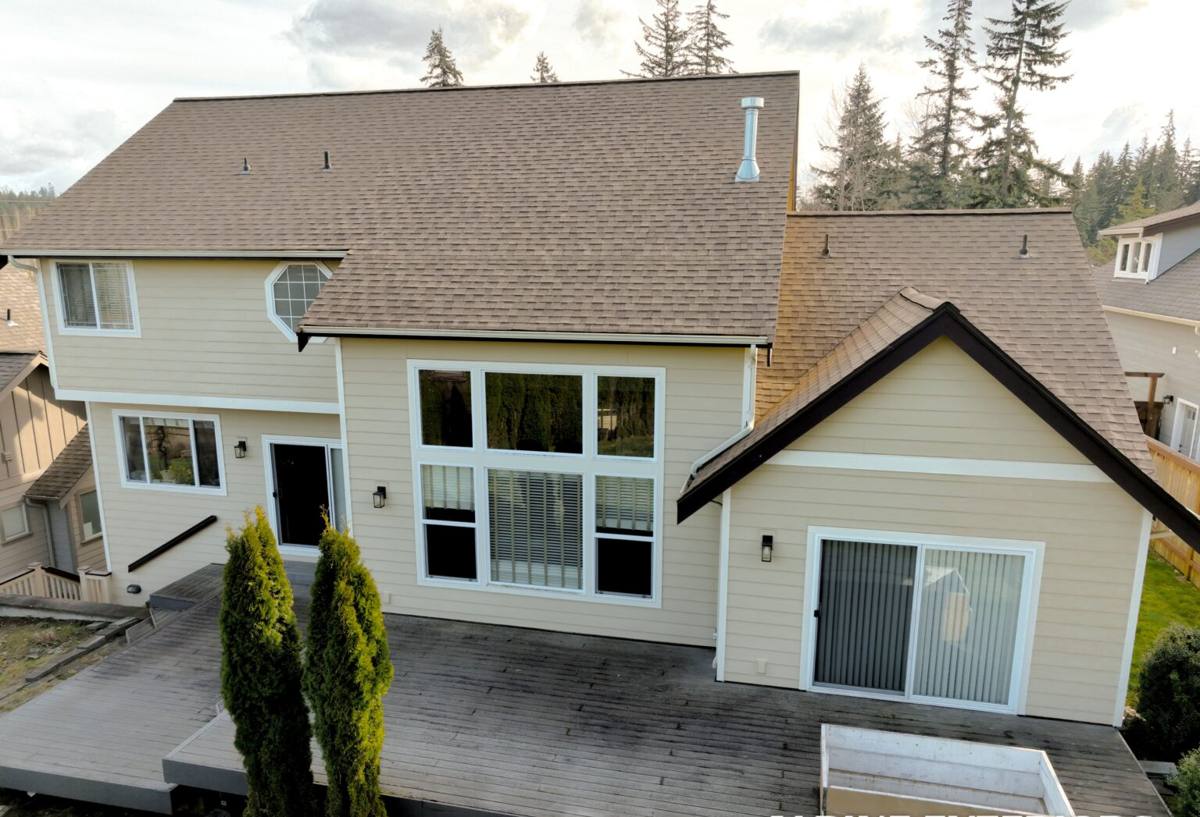
What Lutz Homes Specifically Need From New Windows
Sun and Heat Load
Florida sun is relentless on window frames and glass. Vinyl and even some fiberglass frames can warp or discolor over time if the glazing package isn't rated for high UV exposure. Low-E glass coatings that block solar heat gain matter more here than in almost any other climate — they keep afternoon sun from turning a west-facing room into an oven and take real pressure off your HVAC system.
Wind-Driven Rain
Rain in Tampa Bay rarely falls straight down. It comes in sideways during thunderstorms and tropical systems, which means a window's water management — not just its glass — is what keeps your walls dry. A window can carry a good wind rating on paper and still leak if the flashing and sealant details around it are wrong.
Wind Pressure and Debris
Hillsborough County sits in a wind-borne debris region under Florida's building code, and depending on your exact location and home, you may need impact-rated windows or an approved protective system. This isn't a sales upsell — it's a code requirement tied to your address, and it directly affects what products are even legal to install on your home.
Salt Air Influence
Lutz is inland compared to the coastal Tampa sites, but salt-laden air still moves through the region on sea breezes, especially in summer. Hardware, screws, and frame components that aren't corrosion-resistant will show it over the years — pitting on hinges, streaking on frames, stiff locks.
What a Correct Window Replacement Job Involves
Swapping windows sounds simple — remove old, install new — but most of the failures we get called to fix started with a step that was skipped or rushed. Here's what should happen, in order.
1. Tear-Out and Opening Inspection
The old window comes out and the rough opening gets inspected before anything new goes in. This is when we find wood rot, prior water damage, or framing that's out of square — all things that have to be addressed before a new window can seal properly. Skipping this step just installs a new window on top of an old problem.
2. Flashing and Weatherproofing
This is the step that actually keeps water out, and it's the one most commonly done wrong by crews unfamiliar with local wind-driven rain conditions. Proper flashing tape, sill pans, and integration with the home's existing water barrier matter more than the window brand itself.
3. Setting, Shimming, and Fastening
The window has to be plumb, level, and square, shimmed correctly, and fastened per the manufacturer's installation instructions — which for impact-rated products often specify exact fastener types, spacing, and embedment depth to meet the wind rating the window was tested for. Deviating from those instructions can void both the warranty and the wind-load performance.
4. Sealing and Finish Work
Backer rod and sealant on the exterior, insulation in the gap between frame and rough opening, and interior trim finish. Done right, this is also your last real chance to catch and correct any gaps before they're covered up.
Choosing the Right Window Type for a Lutz Home
There's no single "best" window — the right choice depends on your home's exposure, your budget, and whether you're required to meet impact standards for your specific lot. Here's how the common options stack up for this climate.
| Window Type | Best For | Trade-Offs Here |
|---|---|---|
| Impact-rated (laminated glass) | Homes in wind-borne debris zones, storm-prone lots, added security | Higher upfront cost; heavier sash; strongest option against debris and pressure |
| Non-impact + code-approved shutters/panels | Homeowners meeting code without full impact glass | Lower window cost but requires storm prep labor before every event |
| Vinyl frame | Most residential retrofits, good value | Needs UV-stable formulation; lower-grade vinyl can discolor or warp in intense sun over years |
| Fiberglass/composite frame | Homeowners wanting maximum frame stability | Higher cost; excellent dimensional stability under heat swings |
| Aluminum frame | Larger openings, certain architectural styles | Conducts heat more than vinyl/fiberglass; needs a thermal break for efficiency |
We install what makes sense for your home and your budget, and we'll walk you through what your specific address actually requires under current code rather than defaulting to the most expensive option out of habit.
Signs Your Lutz Home's Windows Are Due for Replacement
- Visible fogging or a persistent haze between panes — the seal on the insulated glass unit has failed
- Windows that are difficult to open, close, or lock, especially after humidity swings
- Soft or discolored wood, or bubbling paint, on the interior or exterior trim around the frame
- A noticeable draft or temperature difference near the window even with it fully closed
- Rooms that get uncomfortably hot in the afternoon despite the AC running
- Visible daylight or gaps around the frame from outside
- Frames that have warped, bowed, or no longer sit flush
- Water staining on the wall or sill after a heavy rain
- Rising energy bills without a clear other cause
Any one of these on its own might be minor. Two or three together usually means the window and its installation are both past the point of a simple repair.
Permits and Code in Hillsborough County
Window replacement in unincorporated Hillsborough County (which covers Lutz) generally requires a permit, and the product installed has to carry a Florida Product Approval or Miami-Dade NOA rating matching the wind zone for your specific property. This isn't optional paperwork — it protects you at resale, and it's often required for insurance purposes, particularly if you're hoping for a wind mitigation credit on your homeowner's policy. We pull permits, schedule inspections, and handle this as a normal part of the job rather than something you have to chase down yourself.
Our Process, Start to Finish
- Free on-site estimate — we look at your existing windows, note any framing or water damage concerns, and measure openings.
- Product selection — we go over options and trade-offs for your specific exposure and budget, including whether your lot requires impact-rated glass.
- Written quote — clear pricing, product specs, and timeline, no surprise add-ons buried in fine print.
- Permit filing — we handle the Hillsborough County permit process before work starts.
- Installation — tear-out, opening inspection, flashing, setting, and finish work, done to manufacturer spec.
- Final walkthrough and inspection — we check operation, seals, and finish with you before we call the job done, and coordinate the county inspection.
Cost Factors to Expect
Every home is different, but the line items that move the price are consistent. This isn't a quote — it's a guide to what you're actually paying for.
| Factor | Why It Matters |
|---|---|
| Impact vs. non-impact glass | Laminated impact glass costs more per unit but can reduce or eliminate the need for separate storm protection |
| Number and size of openings | Larger or custom-sized windows cost more to manufacture and install |
| Frame material | Vinyl is generally the most budget-friendly; fiberglass and impact-rated aluminum run higher |
| Existing damage | Rotted framing or water damage found during tear-out adds repair time and material before the new window goes in |
| Permit and inspection fees | Set by Hillsborough County, separate from the contractor's labor and material cost |
We give straightforward, itemized estimates so you can see what's driving the total, and we'll tell you honestly if a cheaper option is a reasonable fit for your home or if it's cutting a corner you'll regret.
Why It Matters That We Already Work in Lutz
A crew that regularly works Lutz and the surrounding Tampa Bay area already knows the local wind zone requirements, has a working relationship with Hillsborough County's permitting process, and has seen firsthand how the area's combination of sun, humidity, and storm exposure ages different window products and installation methods. That's not something you get from a crew driving in from another market for a one-off job. It also means if you ever have a warranty question or a follow-up concern, you're calling a company that's still local and still reachable — not chasing down someone who's moved on to the next county.
If your windows are original to the home, showing wear, or you're just tired of the heat and noise coming through them, we're happy to take a look. Reach out for a free, no-pressure estimate — we'll assess your specific windows and give you an honest read on what your home actually needs.