 Tampa Window
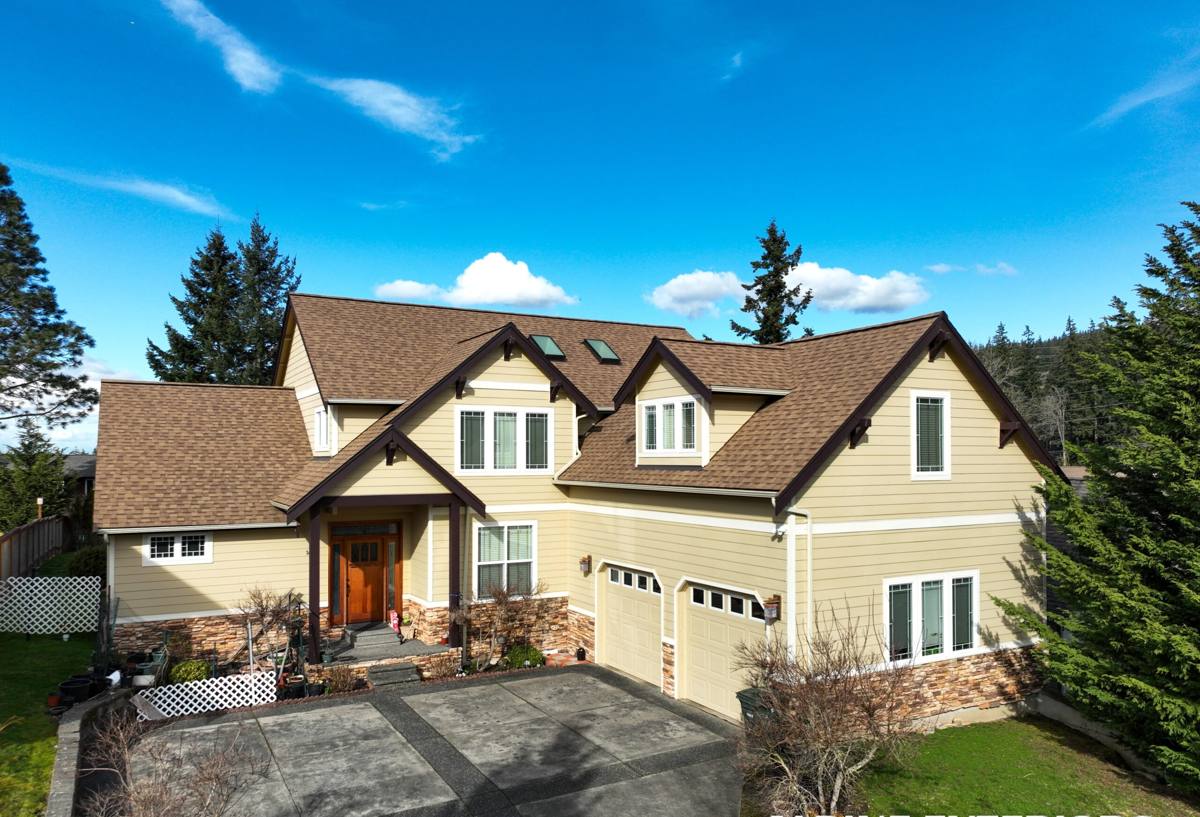
 Westchase Homes Face a Specific Set of Siding Stresses
Westchase sits inside a part of the Tampa area where the exterior of a home works harder than it does almost anywhere else in the country. It isn't one thing that wears siding out here — it's the combination. Long stretches of intense sun, sudden wind-driven storms, and a humid, salt-tinged air mass that moves in off Tampa Bay and the Gulf all load onto the same walls, year after year. A siding product or installation that would hold up fine in a drier, milder climate can fail early here, and homeowners usually don't notice until the damage is already inside the wall.
This page is specifically about siding replacement for Westchase homes, not siding in general. The climate math, the HOA and permitting realities, and the failure patterns we see on tear-offs in this neighborhood are different enough from other parts of Hillsborough County that they're worth walking through on their own.
How Sun, Wind, and Salt Air Actually Break Down Siding
Year-Round UV Exposure
Tampa doesn't get a real winter break from the sun. Siding here takes UV exposure essentially twelve months a year, which accelerates fading, chalking, and surface breakdown in painted and lower-grade materials far faster than the same product would degrade up north. Factory-applied, UV-stable finishes matter more here than almost anywhere else.
Wind-Driven Rain and Moisture Intrusion
Florida rain rarely falls straight down. During storms it comes in sideways, driven by wind, and finds every gap in a lap joint, a poorly flashed window, or a loose panel. Once water gets behind siding, it doesn't dry out quickly in this humidity — it sits against sheathing and framing, which is how rot and mold problems start well before anything looks wrong from the curb.
Hurricane and Tropical-Storm Wind Loads
Hillsborough County sees real hurricane-force wind events, and siding is one of the first things a storm tests. Fastening pattern, nail penetration, and whether the product is actually rated for the wind zone it's installed in all determine whether siding stays on the wall or ends up in the yard.
Salt Air and Fastener Corrosion
Even away from the immediate coastline, the Tampa Bay area carries enough salt in the air to corrode the wrong fasteners and trim hardware over time. Corroded fasteners loosen siding from the inside out, long before the siding face itself shows any wear.
What a Correct Siding Replacement Involves
Replacing siding correctly is not a cosmetic swap. It's a full envelope job, and skipping steps is exactly how houses in this climate end up with rot problems again five years later.
Tear-Off and Substrate Inspection
Every job starts with full removal of the old siding down to the sheathing, because that's the only way to actually see what's underneath. Soft or water-damaged sheathing and framing get identified and repaired before anything new goes up — covering damaged substrate with new siding just hides the problem.
Moisture Barrier and Flashing
A correctly lapped weather-resistant barrier, along with proper flashing at windows, doors, and any wall penetration, is what actually keeps wind-driven rain out of the wall assembly. This is the part of the job nobody sees once it's finished, and it's also the part that matters most in this climate.
Fastening to Spec
Fastener type, spacing, and penetration depth need to match both the manufacturer's requirements and the wind zone the home sits in. This is a detail that's easy to shortcut and impossible to check later without pulling siding back off.
Trim, Caulking, and Finish
Corner boards, trim, and joints get sealed with the right materials for a humid climate, and the finish needs to be factory-applied and UV-stable rather than relying on field-applied paint to hold color and protect the surface over time.
Why We Install Only James Hardie Fiber Cement
This crew installs James Hardie siding exclusively. We don't install vinyl, LP SmartSide, Cemplank, Allura, or wood siding, and that's a deliberate standard, not a limitation in what we're capable of installing.
Fiber cement is non-combustible and dimensionally stable in heat and humidity in a way that wood-based and vinyl products simply aren't. James Hardie's ColorPlus factory finish is baked on and warranted against fading, which matters directly in a market with this much year-round sun exposure. Hardie also engineers its lap siding specifically for hot, humid climate zones — the formulation used in Florida is built for exactly the moisture and heat conditions Westchase homes deal with, rather than a one-size-fits-all national product. Add a strong, transferable manufacturer warranty on top of that, and it's the product we're comfortable standing behind on a home that's going to face Gulf-influenced weather for the next few decades.
Our Siding Replacement Process in Westchase
- On-site assessment — we look at the current siding, sheathing condition where accessible, trim, and any known trouble spots before quoting anything.
- Written proposal and product selection — scope, Hardie product line, and color/profile options laid out clearly, with no vague allowances.
- HOA and permitting — many Westchase homes fall under an HOA or deed-restricted community with an architectural review step, and most jobs also require a Hillsborough County building permit; we handle the documentation for both rather than leaving it to the homeowner to figure out.
- Tear-off and substrate repair — full removal, inspection, and repair of any compromised sheathing or framing before anything new goes on.
- Install to manufacturer and wind-zone spec — barrier, flashing, fastening, and finish work done to the standard the product and the climate require.
- Final walkthrough and cleanup — a full walk of the exterior with the homeowner before we consider the job done.
Cost Factors for Westchase Siding Replacement
Every home is different, so we don't publish flat per-square-foot pricing, but these are the factors that actually move the number on a Westchase job:
| Factor | Why It Matters |
|---|---|
| Home size and wall square footage | Straightforward driver of material and labor volume |
| Number of stories | Two-story homes need staging and add labor time and safety requirements |
| Extent of hidden rot or sheathing damage | Found during tear-off; repairing it correctly adds cost but prevents repeat failure |
| Trim, corner detail, and architectural features | More cuts, more joints, and more finish work |
| HOA-driven color or profile requirements | Can affect product selection and lead time on certain colors |
| Access and site conditions | Fencing, landscaping, and tight lot lines affect setup and crew time |
How Hardie Compares to Other Materials You'll See Discussed
Homeowners researching siding replacement in this area usually run across vinyl and engineered wood products as lower-cost options. Both have real strengths — vinyl is inexpensive and low-maintenance in mild climates, and engineered wood products install quickly and take paint well. Where they run into trouble here is moisture and heat performance: vinyl can warp or become brittle under sustained UV and heat, and wood-based products depend heavily on field-applied coatings and perfect installation to keep moisture out over time in a climate that gives them little margin for error.
| Material | Where It Holds Up | Where It Struggles Here |
|---|---|---|
| Vinyl | Low upfront cost, minimal maintenance | Heat distortion, UV brittleness, limited wind rating in higher grades only |
| Engineered wood (LP SmartSide-type) | Lightweight, fast install, workable | Moisture sensitivity at cut edges and joints if not sealed perfectly |
| James Hardie fiber cement | Non-combustible, factory UV-stable finish, hot-humid engineered line | Higher install skill required; heavier material to handle |
Why a Crew That Already Works in Westchase Matters
Siding replacement in this neighborhood isn't just a technical job — it's a logistics and process job too. A crew that already works in Westchase knows the general shape of the HOA architectural review process, knows what Hillsborough County inspectors are going to check on a siding permit, and has already seen how the local wind and moisture pattern actually treats different products and details over time. That's the difference between a contractor guessing at what will hold up here and one who's watched it happen.
Familiarity also just makes the project run smoother — fewer surprises on scheduling, fewer back-and-forth trips for paperwork, and a crew that isn't learning the neighborhood's quirks on your home for the first time.
What to Ask Before You Hire
- Do they pull permits themselves, or leave that to you?
- Will they put moisture barrier, flashing, and fastening specs in writing, not just "code compliant"?
- Do they inspect and repair sheathing before installing new siding, or install over what's there?
- Are they familiar with HOA architectural review requirements in this neighborhood?
- What manufacturer warranty applies, and is it transferable if you sell the home?
- Can they show you the specific Hardie product line and color options rather than a generic sample?
If your Westchase home's siding is fading, cupping, showing soft spots, or just due for replacement, we're happy to take a look and put together a straightforward, no-pressure estimate — fill out the form below to get started.