 Tampa Window
 Deck Repair Built for Hyde Park's Climate
Hyde Park sits close to the water, with the kind of exposure that's harder on an outdoor deck than most homeowners realize. Between the Tampa Bay humidity, near-daily summer thunderstorms, intense year-round UV, and the salt-laden air that drifts in off the bay, an untreated or aging deck can go from "a little worn" to "unsafe to stand on" faster than it would inland. We repair decks throughout Hyde Park's mix of historic bungalows, Craftsman-style homes, and newer construction, and the failure patterns we see are consistent enough that we can usually tell what's wrong before we even pull up a board.
This page covers what deck repair actually involves in this part of Hillsborough County, what a correct repair looks like versus a cosmetic patch job, and how our process works from first call to final walkthrough.
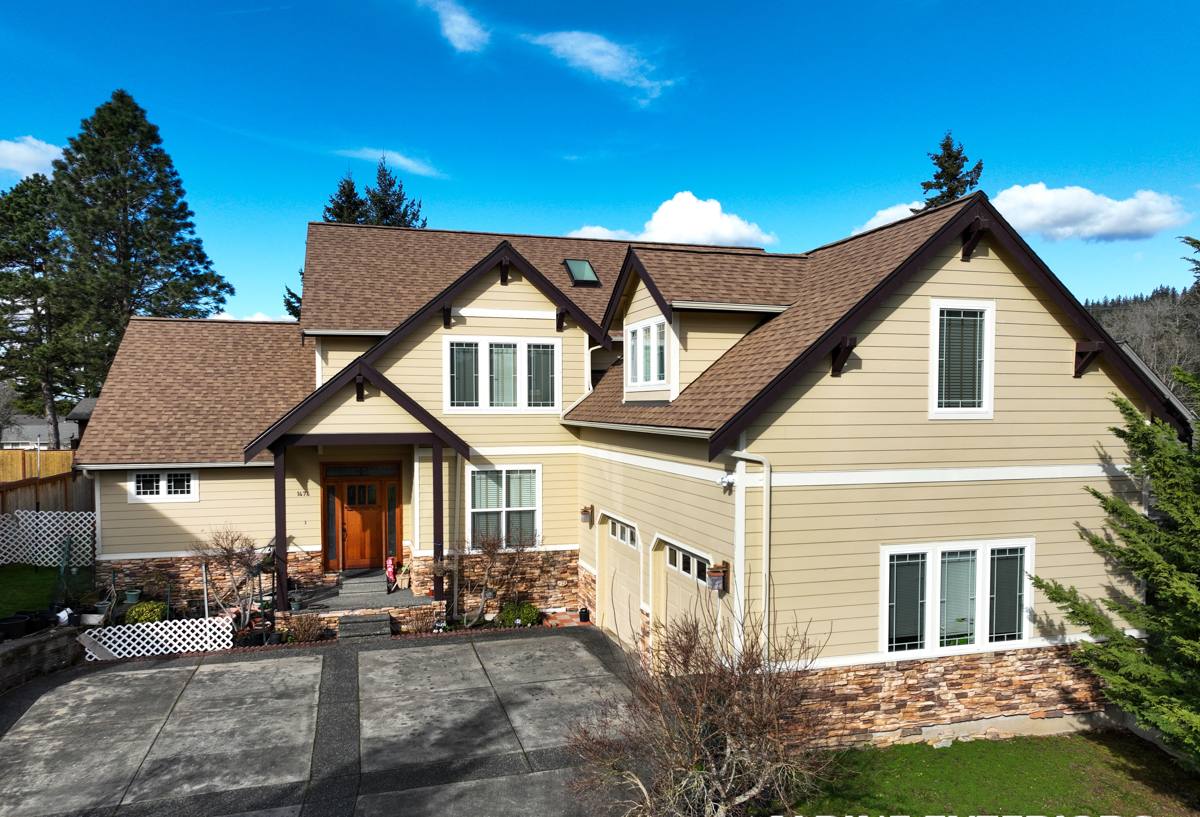
What Tampa's Weather Does to a Deck
Every deck material reacts to the same set of stresses here, just at different speeds:
- UV exposure: Florida sun breaks down the surface fibers of wood decking and fades or chalks composite boards over years of direct exposure, leading to graying, splintering, and surface checking.
- Wind-driven rain: Storms here rarely fall straight down. Rain gets pushed sideways into ledger boards, railing posts, and any gap where flashing has failed, which drives moisture into places it was never meant to reach.
- Humidity and standing moisture: Decks that don't drain and dry properly stay damp between rain events, which is exactly the environment wood rot and mold need to take hold.
- Salt air: Even a few miles inland from the bay, airborne salt accelerates corrosion on fasteners, structural hardware, and metal railing components.
- Hurricane-force wind loads: Tropical systems put real lateral and uplift stress on railings, guardrail posts, and the ledger connection to the house — the parts of a deck most likely to have been under-built or weakened by rot in the first place.
None of these forces act alone. A ledger board with a small flashing gap lets in wind-driven rain, humidity keeps it from drying out, UV weakens the surrounding wood's ability to shed water, and salt air corrodes the fasteners holding it together. By the time a homeowner notices soft decking or a wobbly rail, that combination has usually been working on the structure for a while.
Common Deck Problems We See in Hyde Park
Structural Issues
The most serious problems are usually invisible from the top of the deck. Ledger board separation from the house, rotted or undersized joists, corroded joist hangers, and posts that have lost their footing connection are all structural failures that a fresh coat of stain will hide but not fix. These are also the issues most directly tied to safety — a deck can look fine on the surface and still be unsafe to load with furniture and people.
Surface and Board Damage
Cupped, splintering, or soft decking boards are the most visible sign of trouble and usually the easiest to repair, provided the framing underneath is sound. Nail pops, where fasteners back out as wood swells and shrinks with humidity, are common on older wood decks and create trip hazards even when the board itself is fine.
Railing and Guardrail Failures
Loose or wobbly railings are one of the most common repair calls we get, and one of the most important to take seriously. A guardrail that shifts under load is a fall risk, and railing posts are frequently attached with fasteners that have corroded from years of salt air and moisture exposure.
Fastener and Hardware Corrosion
Standard fasteners that aren't rated for exterior or coastal-influenced use will rust, stain the surrounding wood, and eventually lose holding strength. This is one of the most under-diagnosed problems on older decks, because the corrosion is happening below the deck or inside the wood where it isn't visible until a board or rail actually gives way.
Stairs
Deck stairs take constant foot traffic and are often the first place rot shows up, especially where stringers meet the ground or a concrete pad. Uneven or spongy stair treads are a repair we prioritize, since stairs are the highest-traffic, highest-consequence part of most decks.
Wood vs. Composite: What It Means for Your Repair
What your deck is built from changes both what typically fails and how we approach the repair.
| Factor | Pressure-Treated Wood | Composite Decking |
|---|---|---|
| Most common failure in this climate | Rot, splintering, fastener pop, UV graying | Fading/chalking at the surface, occasional swelling at cut edges if not properly capped |
| Repair approach | Board-by-board replacement is straightforward; framing repairs use matched lumber | Requires matching board profile and color; some older composite lines are harder to source replacement boards for |
| Maintenance to prevent repeat issues | Periodic sealing/staining, prompt attention to any soft spots | Lower surface maintenance, but framing underneath still needs the same moisture protection |
| Typical lifespan with upkeep | 15-25 years depending on exposure and maintenance | 25+ years for the boards themselves; substructure life depends on the framing material and moisture control |
One thing that doesn't change between the two: the framing underneath — joists, beams, ledger, posts — is almost always pressure-treated lumber or engineered material, regardless of what the surface decking is made of. A composite deck with rotted framing underneath is just as unsafe as a wood deck with the same problem, which is why we inspect the structure on every repair, not just the visible boards.
What a Correct Deck Repair Actually Involves
A repair that only addresses what's visible from above tends to come back within a season or two. We treat every repair call as a chance to check the parts of the deck that actually determine whether it's safe:
- Structural inspection first. We check the ledger board connection and flashing, joist condition, post and footing stability, and any hardware for corrosion before we touch a single deck board.
- Fix the cause, not just the symptom. If a soft board sits over a joist that's been absorbing water because of a flashing gap, replacing the board without fixing the flashing just buys time.
- Match materials appropriately. Replacement lumber should be the correct pressure-treated rating for ground contact or above-ground use depending on location, and fasteners should be corrosion-resistant hardware suited to coastal-influenced air, not standard interior-grade screws.
- Address railings and guardrails to code. Guardrail height, baluster spacing, and post attachment all have to meet Florida Building Code requirements, not just "feel sturdy."
- Reseal or finish exposed wood. Any new lumber gets sealed appropriately so it isn't immediately absorbing Tampa's humidity and UV from day one.
Our Deck Repair Process
We keep the process straightforward because most homeowners just want to know their deck is safe and how long it will take.
1. On-Site Assessment
We walk the full deck — surface, railings, stairs, and the structure underneath where accessible — and identify what's cosmetic versus what's structural. We'll tell you plainly which repairs are urgent and which can reasonably wait.
2. Written Scope and Estimate
You get a clear breakdown of what needs to be repaired or replaced, in plain language, before any work starts. No surprise scope changes mid-project.
3. Permitting, When Required
Structural deck repairs in Hillsborough County can require a permit depending on the scope of work — this is different from simply swapping a few worn boards. We handle that determination and the paperwork when it applies, so the repair is documented and won't cause problems at resale or insurance renewal.
4. The Repair Itself
We replace what needs replacing, repair what can be soundly repaired, and use fasteners and hardware appropriate for Tampa's coastal-influenced air rather than whatever happens to be cheapest.
5. Final Walkthrough
Before we consider the job done, we walk the deck with you, check railings for stability, and confirm everything meets the standard we'd want on our own home.
Signs Your Hyde Park Deck Needs Repair Now
Some deck problems can wait for routine maintenance. Others shouldn't wait at all. If you're seeing any of the following, it's worth a professional look:
- Boards that feel soft, spongy, or flex noticeably underfoot
- Any wobble or give in a railing or guardrail post
- Visible gaps, cracking, or staining where the deck meets the house (ledger board area)
- Rust streaks running down from fasteners or hardware
- Stair treads or stringers that feel uneven or unstable
- Wood that's gone gray and splintery, especially combined with soft spots
- Visible mold, mildew, or persistent damp areas that don't dry out between rains
- Posts that appear to have shifted or settled at their base
If you're noticing more than one of these at once, that's often a sign the underlying moisture or fastener problem has been developing for a while, not just a single isolated issue.
What Deck Repair Typically Costs
Every deck and every repair scope is different, so we won't quote a number without seeing the deck, but the factors that drive cost are consistent:
| Factor | Why It Matters |
|---|---|
| Extent of structural damage | Framing and ledger repairs cost more than surface board replacement because of the labor to access and rebuild them safely |
| Deck size and height | Larger and taller (multi-level or elevated) decks require more material and more labor time |
| Material match | Sourcing matching composite boards or specific wood grades can affect cost versus a straightforward pressure-treated repair |
| Permit requirements | Structural repairs that require permitting add inspection and documentation time to the project |
| Railing and stair scope | Code-compliant guardrail and stair work involves precise spacing and attachment requirements that take more care than a straight board swap |
As a general rule, isolated board and railing repairs are the least expensive category of deck work, while ledger, framing, and footing repairs cost more because they involve the structural core of the deck. We'll always tell you honestly if a repair no longer makes sense compared to a partial or full rebuild.
Why Hire a Crew That Already Works in Hyde Park
Deck repair looks straightforward from a distance, but the difference between a repair that lasts and one that fails again in a year usually comes down to whether the contractor actually understood what caused the damage in the first place. A crew that regularly works in Hyde Park and the surrounding Tampa neighborhoods has already seen how the local combination of humidity, salt air, UV, and storm exposure plays out on real decks — which means less time diagnosing and more time getting the repair right the first time.
We're also familiar with Hillsborough County's permitting expectations for structural deck work, so you're not left guessing whether your repair needs to be inspected or documented. And because we're local, we're not disappearing after the job — if something about the repair doesn't sit right with you, we're a call away, not a company that worked here once and moved on.
Keeping Your Deck in Good Shape After the Repair
A repaired deck stays repaired longer with a little basic upkeep. Rinse off salt residue and debris periodically, especially after storms. Keep an eye on drainage so water isn't pooling against ledger boards or posts. If you have a wood deck, plan on resealing or restaining on a regular cycle rather than waiting until the finish has completely worn away. And if you notice a soft board, a loose rail, or a rust stain, deal with it while it's a small repair — in this climate, small problems on a deck don't stay small for long.
If your Hyde Park deck has soft spots, a shaky railing, or you just want an honest assessment of where it stands, we're happy to take a look. Fill out the form below for a free, no-pressure estimate — we'll tell you exactly what we find and what we'd recommend, whether that's a targeted repair or nothing at all.