 Tampa Window
 Why Decks Wear Out Faster on Davis Islands
Davis Islands sits surrounded by water, and that location is exactly what makes deck replacement here different from a typical inland job. Salt air off Tampa Bay settles into fasteners, framing connectors, and wood grain year-round, not just after a storm. Add Florida's intense, near-constant UV exposure and the wind-driven rain that comes with our summer storm pattern and hurricane season, and you have a combination that ages an outdoor structure faster than almost anywhere else in Hillsborough County. A deck that might last two decades in a drier, inland climate can show real structural fatigue in half that time on a waterfront lot.
None of this means a deck on Davis Islands is a losing battle. It means the materials, fasteners, and construction details have to be chosen for this specific environment, not for a generic build. That's the difference between a deck replacement that holds up and one that starts failing again in a few short years.
Signs Your Deck Has Reached the End of Its Useful Life
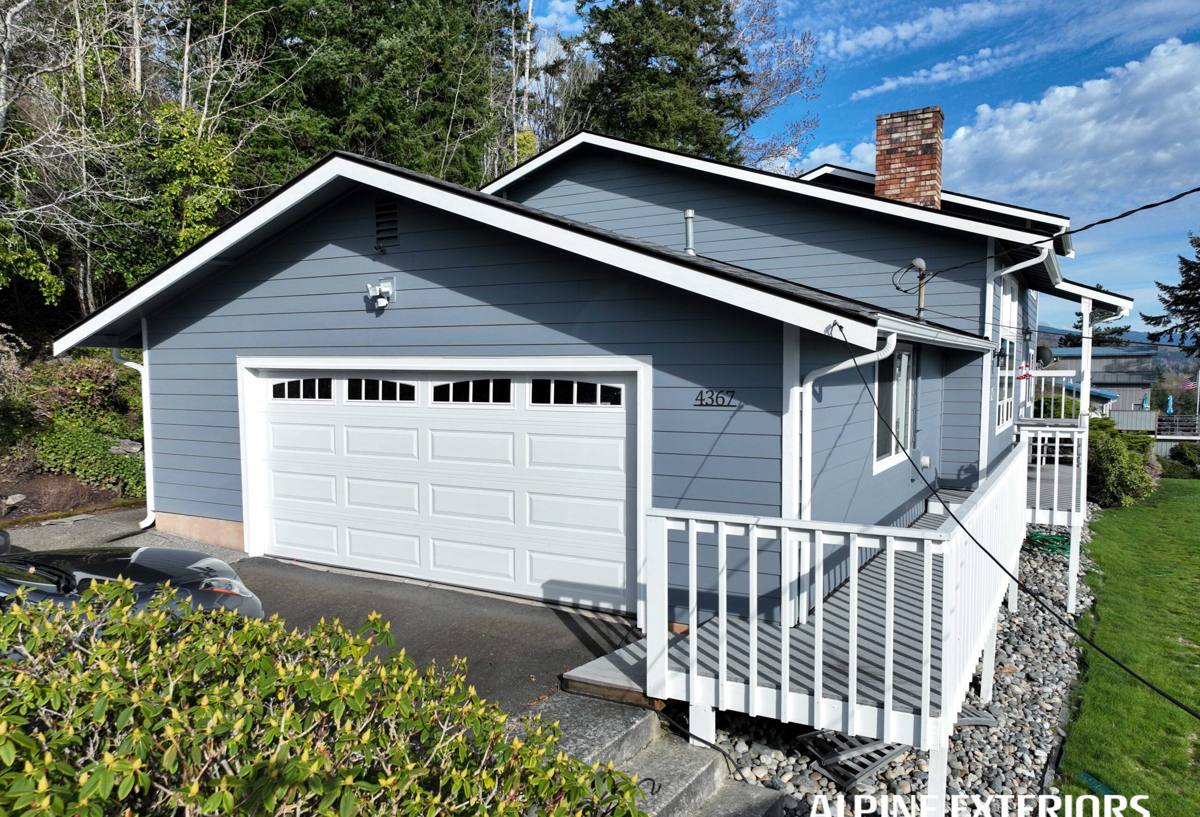
Homeowners often ask us whether a deck can be patched or repaired instead of replaced. Sometimes it can. But certain signs point to problems that live in the structure itself, not just the surface, and no amount of surface repair fixes them. If you're seeing more than one or two of these, it's worth having the whole structure evaluated rather than continuing to spot-repair:
- Boards that feel soft, spongy, or spring back slowly when you step on them
- Rust streaks bleeding out from screw heads or bolts, a sign the fastener itself is corroding
- Railings or posts that wobble or flex under normal weight
- Gaps or cupping between boards that keep getting worse each season
- Visible separation where the deck meets the house, at the ledger board
- Mold or mildew that returns within weeks of cleaning it
- Cracked, splitting, or splintering wood on structural members, not just the decking surface
- A deck built before current wind-load and fastening standards, with no documentation of prior permitted work
Any one of these can usually be repaired in isolation. Several together, especially involving fasteners or the ledger connection, usually mean the deck's working life is over.
What a Correct Deck Replacement Actually Involves
A deck looks simple from the top, but the parts that determine whether it lasts are underneath. A correct replacement addresses every layer, not just the decking boards people see.
Footings and Ledger Attachment
The footings carry the structure's weight into the ground, and the ledger board ties the deck to the house. On a waterfront property, soil composition and moisture behavior around footings deserve real attention, and the ledger connection needs proper flashing so water doesn't work its way into the house's rim joist over time. A poorly flashed ledger is one of the most common hidden failure points we find when replacing an older deck.
Structural Framing and Fasteners
Joists, beams, and posts need to be sized correctly for the deck's span and load, and every connector, bolt, and screw should be rated for coastal exposure. Standard hardware corrodes noticeably faster in salt air; corrosion-resistant fasteners and connectors cost a little more up front and are the difference between framing that lasts and framing that quietly weakens from the inside.
Decking, Railings, and Wind-Load Design
The visible decking and railing come last, but they still have to meet current wind-load and guard-height requirements, especially given how exposed a waterfront lot is during hurricane season. Railing posts and baluster spacing are code items, not style choices, and they're worth getting right the first time.
Choosing a Decking Material for Salt Air and Sun
There's no single "best" decking material for every home, but on Davis Islands, salt exposure and UV should weigh heavily in the decision. Here's how the common options compare for this specific environment:
| Material | Salt Air / Moisture Resistance | Maintenance | Typical Lifespan Here | Notes |
|---|---|---|---|---|
| Pressure-treated wood | Moderate; needs sealing to hold up | Annual cleaning and resealing | 10–15 years | Lowest upfront cost, highest upkeep in coastal air |
| Composite decking | Good; resists rot and salt corrosion | Occasional washing, no sealing | 20–30 years | Higher upfront cost, more consistent long-term performance |
| PVC/vinyl decking | Very good; fully synthetic, no wood fibers to rot | Minimal; occasional rinse | 25+ years | Best moisture and UV resistance; premium price point |
| Tropical hardwoods (e.g. ipe) | Good if maintained | Regular oiling to prevent graying and cracking | 20+ years with upkeep | Dense and durable, but maintenance-sensitive and heavier on framing |
For most Davis Islands homes we work with, composite or PVC decking earns its higher price tag through lower maintenance and steadier performance against salt air and sun, especially on decks that see direct bay exposure. Pressure-treated wood still has a place on a tighter budget, but it needs a real maintenance commitment to hold up in this climate. We'll walk through the honest trade-offs for your specific site and sun/wind exposure rather than pushing one product across the board.
Permitting and Code Requirements in Hillsborough County
Deck replacement in Hillsborough County is permitted work, and for good reason: the Florida Building Code sets structural and wind-load standards specifically because of how much coastal wind exposure this region gets. A permitted job means the footings, framing, fastening, and railing all get inspected against current code, not just built to look right. That inspection step matters more on a waterfront lot than almost anywhere else in the county.
Some properties in island and waterfront neighborhoods also carry additional deed restrictions or architectural guidelines that can affect exterior work, including deck materials, colors, or railing styles. If your property falls under any such review, we'll flag it early so it doesn't hold up your project mid-build. Skipping the permit process to save time is a common shortcut with unpermitted decks we're asked to replace — it almost always costs more later, either at resale or when a problem surfaces that insurance won't cover because the work was never inspected.
Our Deck Replacement Process
We keep the process straightforward and predictable, because the last thing a homeowner needs mid-project is uncertainty about what happens next:
- On-site assessment. We inspect the existing deck's framing, ledger connection, footings, and fasteners, not just the surface boards, to confirm whether replacement is actually needed and what it should involve.
- Design and material selection. We go over decking and railing options against your budget, sun exposure, and how close the deck sits to the water.
- Permitting. We handle the Hillsborough County permit submission and scheduling the required inspections.
- Demolition and disposal. The old structure comes out cleanly, with attention to protecting landscaping and any adjacent dock, seawall, or pool equipment.
- Framing and structural work. New footings, joists, and ledger flashing go in to current code, with corrosion-resistant hardware throughout.
- Decking and railing installation. Boards and railings go on with proper spacing and fastening for wind load.
- Final inspection and walkthrough. We confirm the county inspection passes and walk the finished deck with you before calling the job done.
Why It Matters to Hire a Crew That Already Works on Davis Islands
Working on an island connected to the rest of Tampa by a single bridge changes the logistics of a construction job. Material deliveries, equipment staging, and parking all take more planning than on a typical mainland lot, and a crew unfamiliar with the area often loses time figuring that out on your dime. A crew that already works Davis Islands regularly knows how to stage a job efficiently, work respectfully in a tight-knit waterfront community, and coordinate around docks, seawalls, and narrow lot access without it becoming your problem to manage.
There's also a permitting-familiarity advantage. A contractor who submits Hillsborough County deck permits regularly knows what the reviewers expect to see and how to avoid the back-and-forth that delays a project by weeks. That local experience shows up as a smoother, faster process for you, not just faster work once we're on site.
Keeping Your New Deck Ready for Tampa Bay's Climate
A correctly built deck still needs some ongoing attention in this environment. A little maintenance goes a long way toward protecting the investment:
- Rinse salt spray and debris off the deck surface periodically, especially after storms
- Reseal wood decking on the manufacturer's recommended schedule, typically annually
- Check railing posts and fasteners for looseness or corrosion once or twice a year
- Inspect ledger board flashing where the deck meets the house for any sign of water intrusion
- Clear standing water and organic debris from between boards to prevent mold and rot
- After hurricane season, walk the structure for storm-related wear before it becomes a bigger repair
If you're weighing whether your current deck needs a full replacement or just targeted repair, or you're ready to plan a new one built for Davis Islands' salt air, sun, and wind, we're glad to take a look and give you an honest read. Reach out for a free, no-pressure estimate using the form below.