 Tampa Window
 Deck Repair Built for Westchase's Climate
Westchase decks take a beating that decks in drier, milder climates never have to deal with. Between Hillsborough County's long, humid summers, intense UV exposure nearly year-round, sudden afternoon downpours, and the occasional direct hit from a tropical system, a deck here ages differently than one in Ohio or Colorado. Wood fibers swell and shrink with every wet-dry cycle, fasteners corrode faster in Florida's humidity, and UV breaks down finishes and composite surfaces at a pace that catches a lot of homeowners off guard.
We repair decks throughout Westchase and the surrounding Tampa area, and the patterns we see are consistent: rot starting at ledger boards and post bases where water sits longest, fastener corrosion working loose railings and stair stringers, and surface degradation on boards that get full sun exposure most of the day. None of that means your deck is doomed — it means repairs need to account for how Tampa weather actually behaves, not just patch what's visibly broken.
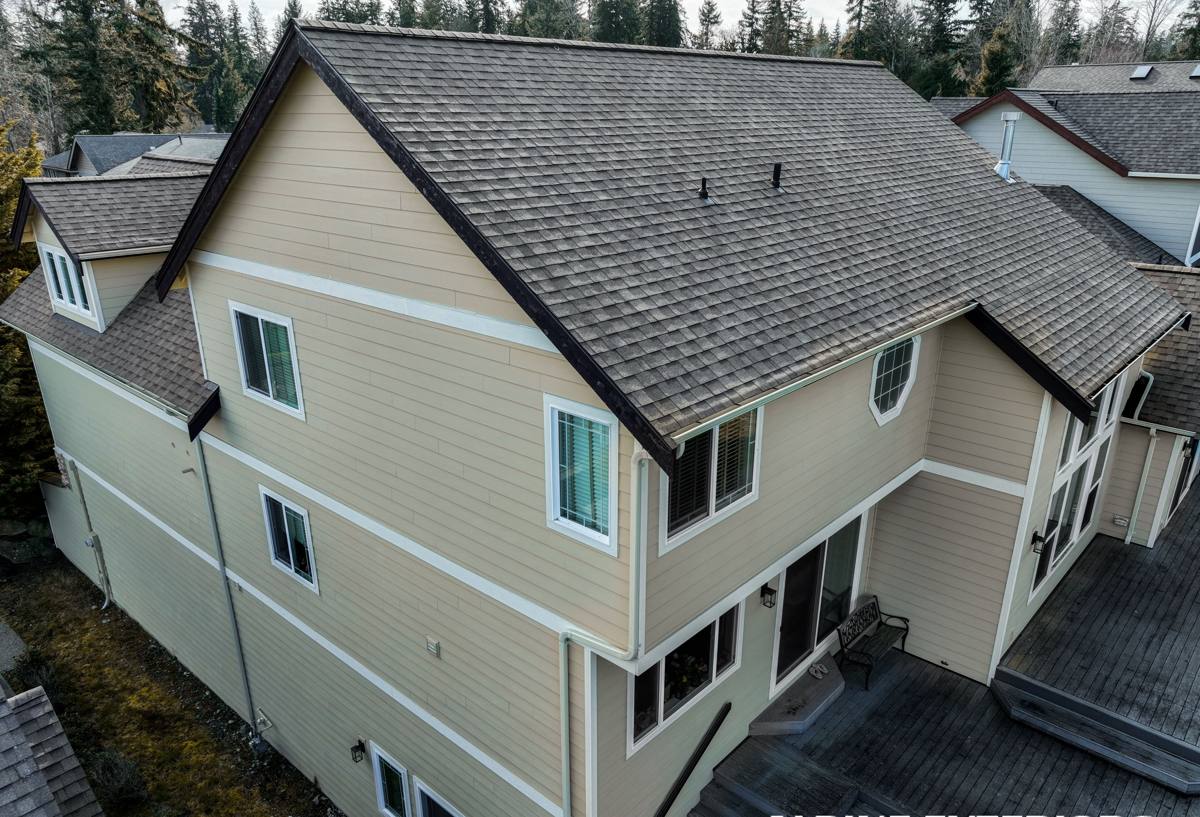
What Tampa's Climate Does to a Deck Over Time
Heat and UV
Florida sun is relentless. Wood decking loses its natural oils and starts to gray, crack, and splinter faster here than in most of the country. Composite decking fades too, though at a slower and more even rate. UV also breaks down sealants and finishes, which is why a deck that was sealed once and forgotten tends to show damage years before one that's been maintained on a regular schedule.
Wind-Driven Rain and Humidity
Tampa's rain rarely falls straight down. Wind-driven rain gets pushed into joints, under railings, and against ledger boards attached to the house — exactly the spots that are hardest to inspect and slowest to dry. Add in ambient humidity that keeps wood damp even between rain events, and you've got ideal conditions for rot and mold if the deck's drainage and ventilation aren't right.
Hurricane-Force Wind Loads
Even decks that never take direct storm damage get stressed by repeated high-wind events. Racking forces loosen fasteners, ledger connections, and post-to-beam joints over time. A deck that seemed structurally sound can develop hidden play in its connections after a few storm seasons, which is why we always check structural attachment points, not just the decking surface, on any repair visit.
Salt Air
Westchase sits inland from the bay, but salt-laden air still travels with onshore winds and accelerates corrosion of exposed fasteners, brackets, and metal railing hardware. It's a slower effect than what coastal properties see, but it adds up over the life of a deck.
Common Deck Problems We Find in Westchase
- Soft or spongy decking boards — usually a sign of trapped moisture and early-stage rot beneath the surface finish.
- Rust streaks around fasteners — indicates corroding screws or nails that are losing their grip on the wood.
- Loose or wobbly railings and stair stringers — often a connection problem at the post base, not just a cosmetic issue.
- Gaps or separation at the ledger board — where the deck attaches to the house, a critical structural point that needs to stay properly flashed and sealed.
- Graying, cracking, or splintering wood surfaces — UV and weathering breaking down the wood fibers themselves.
- Standing water or slow drainage — a sign the deck's slope or gaps between boards aren't shedding water the way they should.
- Discolored or stained composite boards — can point to mold growth in areas that don't get enough airflow or sun to dry out.
What a Correct Deck Repair Actually Involves
A lot of deck "repairs" amount to swapping a few obviously bad boards and calling it done. That approach misses the point when the underlying cause — moisture intrusion, a failing ledger connection, corroded fasteners — is left untouched and keeps damaging whatever gets installed next to it.
Our approach starts with diagnosis, not assumption
- We inspect the full structure, not just the visible surface — posts, beams, joists, ledger board, and all fastener connections.
- We probe suspect boards and framing members to find soft spots that aren't visible from the surface.
- We check the ledger board attachment and flashing, since this is the single most common source of hidden rot on an attached deck.
- We evaluate drainage — whether water is actually shedding away from the structure or pooling somewhere it shouldn't.
- We identify which fasteners and hardware have corroded and need replacement with materials rated for Florida's humidity and salt exposure.
Only after that inspection do we scope the actual repair — which might be a handful of boards, a full railing rebuild, ledger reattachment and flashing correction, or in some cases a recommendation that certain sections be rebuilt rather than patched, if the framing underneath has been compromised for too long.
Repair vs. Rebuild: How We Help You Decide
| Factor | Points Toward Repair | Points Toward Rebuild |
|---|---|---|
| Structural framing (posts, beams, joists) | Solid, no soft spots | Rot or soft framing found |
| Ledger board condition | Properly flashed, dry | Water staining, separation, rot |
| Extent of damaged decking | Isolated boards | Widespread graying, splintering, or softness |
| Age of the deck | Under 10-12 years, maintained | Older, little to no maintenance history |
| Railing and stair stability | Firm, properly fastened | Loose, wobbly, or corroded connections |
| Overall cost comparison | Repair cost is a fraction of rebuild | Repair cost approaches rebuild cost |
We'll walk you through where your deck lands on that table honestly. If a repair will genuinely hold up through Tampa's next few storm seasons, we'll say so. If the framing is too far gone and a repair would just be a short-term patch, we'll tell you that too, along with why.
Materials That Hold Up in Hillsborough County
Material choice matters more here than in most parts of the country, because the wet-dry cycling and UV exposure are harder on some products than others. A few standards we apply on Westchase deck repairs:
- Fasteners: stainless steel or coated fasteners rated for coastal and high-humidity environments — standard hardware store screws corrode too fast here to be worth the labor savings.
- Framing lumber: pressure-treated lumber rated for ground contact where posts and beams are exposed to persistent moisture.
- Flashing: proper ledger board flashing that actually sheds water away from the house rather than trapping it against the rim joist.
- Sealants and finishes: UV-resistant products reapplied on a realistic schedule, since even the best sealant breaks down under Florida sun faster than the label sometimes implies.
We'll talk through wood versus composite decking honestly if you're replacing sections — each has real trade-offs in maintenance, upfront cost, and how it ages under constant UV and humidity, and there's no single right answer for every homeowner.
Our Process for Westchase Deck Repairs
- Free on-site inspection. We look at the whole structure, not just the spot you called about.
- Honest written scope. You get a clear explanation of what's actually wrong, what needs to be fixed, and what can reasonably wait.
- Repair or rebuild recommendation. Based on framing condition, not on what's easiest to sell.
- Scheduled work with weather awareness. We plan around Tampa's rain patterns so work isn't rushed into a wet structure.
- Final walkthrough. We check every repaired connection and surface with you before calling the job done.
Why a Crew That Already Works Westchase Matters
Deck repair isn't just carpentry — it's carpentry that has to survive a specific climate. A crew that regularly works Westchase and the greater Tampa area already knows which fastener grades hold up, which framing details fail first in this humidity, and how local drainage and soil conditions affect post stability. That's knowledge you don't get from a crew that mostly works decks in a different climate zone and treats Florida jobs the same way.
We're not asking you to take our word for the diagnosis, either. Any legitimate repair scope should be something we can explain in plain terms — what's damaged, why, and what fixing it correctly involves. If a contractor can't walk you through that, that's worth noticing.
Simple Maintenance That Extends the Life of a Repair
- Sweep debris off the deck surface regularly so moisture doesn't get trapped against boards.
- Check railings and stair connections for looseness a couple times a year, especially after storm season.
- Reapply sealant or stain on the schedule recommended for the specific product, not just when it visibly looks worn.
- Keep gutters and downspouts directing water away from the deck structure, not onto it.
- Have the ledger board and under-deck framing looked at periodically, since that's the area most likely to hide developing rot.
A repair done right, paired with basic maintenance, should hold up well through Tampa's weather for years. If you're noticing soft boards, loose railings, rust stains, or other signs your deck needs attention, we're happy to take a look and give you a straight answer about what it needs — no pressure, no upsell. Reach out for a free estimate using the form below.