 Tampa Window
 Building a Deck That Actually Holds Up in Wesley Chapel
Wesley Chapel has grown fast, and a lot of that growth is newer construction — which means a lot of homeowners are adding their first deck rather than replacing a worn-out one. That's a good position to be in, but it also means the temptation is to treat a deck like any other backyard project: pick a size, pick a material, get it built. In the Tampa Bay area, that approach shortens a deck's life by years. The same sun, humidity, and wind that make outdoor living here so appealing are also what break decks down early when they're built to a generic spec instead of a Florida one.
A deck built for Wesley Chapel needs to handle intense UV exposure nearly every month of the year, sudden heavy downpours that come in sideways during summer storms, the structural wind loads that come with hurricane season, and the humidity that never really lets wood dry out completely. None of that is exotic — it's just what this region does — but it changes what "correct" looks like for footings, fasteners, decking material, and finish.
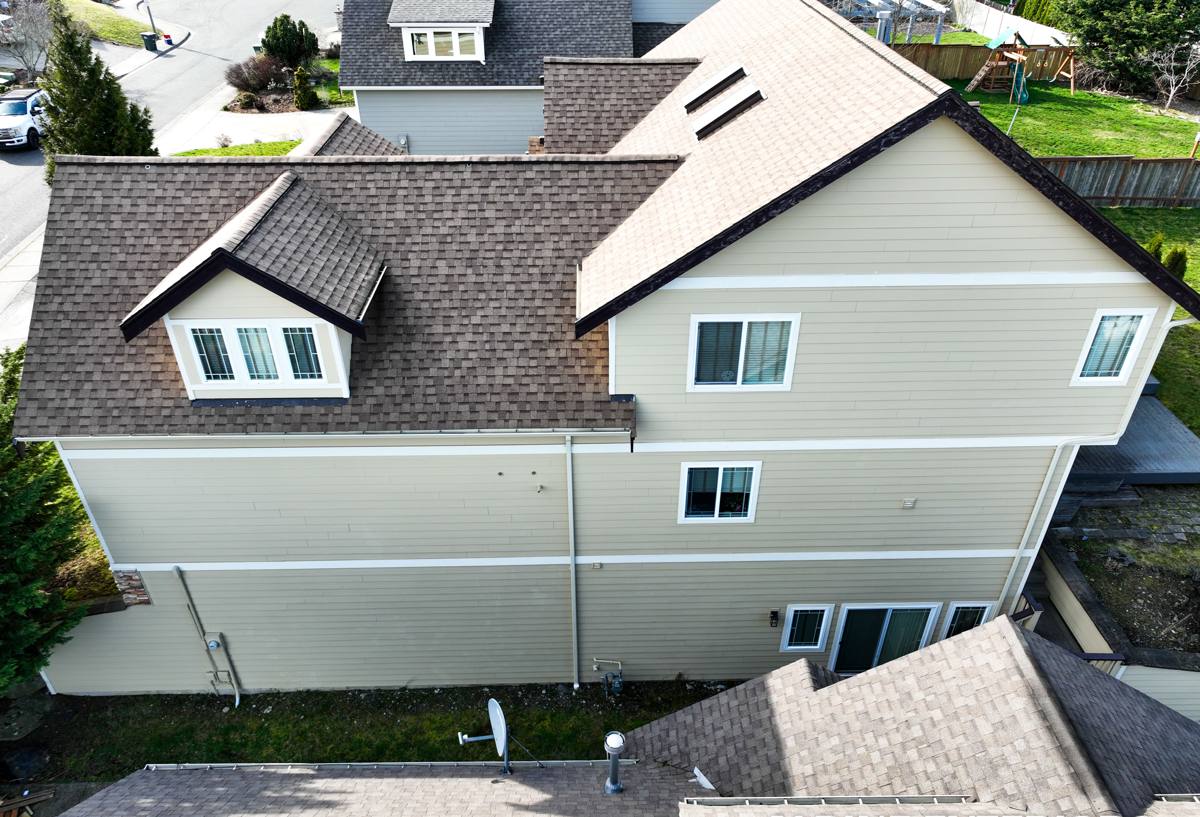
What Tampa Bay's Climate Does to a Deck Over Time
UV and Heat
Florida sun is stronger and more consistent than what most decking products, especially lower-grade composites and unsealed wood, are rated to handle without fading, chalking, or getting brittle at the surface. Dark-colored boards can also reach uncomfortable surface temperatures in direct summer sun — worth factoring into color choice, not just style.
Wind-Driven Rain and Humidity
Afternoon storms here don't fall straight down — wind pushes rain sideways into railings, under boards, and against ledger connections. Combined with our year-round humidity, any spot where water can collect or wood can't dry out becomes a rot or corrosion risk faster than it would in a drier climate.
Wind Load and Storm Exposure
Hillsborough County sits in a wind-borne debris region, and framing, fasteners, and railing attachment all need to be sized for that — not just for everyday use, but for the gusts that come with our tropical storm and hurricane season. A deck that "looks sturdy" isn't the same as one engineered to current wind-load requirements.
Salt-Laden Air
Wesley Chapel isn't beachfront, but the Tampa Bay region as a whole sits close enough to the Gulf that salt-carrying air moves inland on prevailing breezes. Over years, that accelerates corrosion on lower-grade fasteners and hardware even well away from the coast — one more reason we don't treat material specs as optional here.
Choosing the Right Decking Material for This Climate
There's no single "best" decking material — there's a best material for your budget, your maintenance appetite, and how much direct sun and rain your deck will actually see. Here's how the common options actually perform under Tampa Bay conditions:
| Material | Upfront Cost | Maintenance | How It Handles Our Climate |
|---|---|---|---|
| Pressure-treated pine | Lowest | Annual sealing/staining recommended | Affordable and repairable, but needs consistent upkeep or it grays, splinters, and can cup under UV and moisture cycling |
| Capped composite | Mid-to-high | Periodic cleaning, no sealing/staining | Strong UV and moisture resistance; capped versions resist the fading and staining that plague uncapped composites in full Florida sun |
| PVC/vinyl decking | Highest | Lowest — cleaning only | Fully moisture-proof and very stable in heat and humidity, at a higher material cost |
| Tropical hardwood | High | Regular oiling to maintain color | Naturally dense and rot-resistant, but requires real commitment to upkeep or it silvers and can develop surface checking |
We'll walk you through this trade-off honestly during your estimate rather than steering you toward whatever has the best margin. A lot of Wesley Chapel homeowners land on capped composite because it strikes a reasonable balance for our climate — but pressure-treated framing under any of these materials is non-negotiable, and we'll explain why below.
Framing Wood Is Not the Same Decision as Surface Decking
Even a composite or PVC deck surface sits on a wood structural frame in nearly every residential build. That framing lumber needs to be rated for ground contact or above-ground exposure as appropriate, and every fastener and connector touching it needs to be corrosion-resistant — coated or stainless hardware, not standard-grade fasteners that will streak and weaken over a Florida summer.
What a Correctly Built Deck Involves Here
A deck is only as good as what's underneath it and how it's attached to your house. The visible decking gets all the attention, but these are the parts that actually determine whether a deck lasts 10 years or 25:
- Footings sized and set to local frost-line and soil-bearing requirements, not just "deep enough to look right"
- A properly flashed ledger board connection where the deck meets the house — this is the single most common failure point on older decks
- Joist spacing and beam sizing matched to your decking material's span rating, not a generic layout
- Corrosion-resistant structural connectors and fasteners rated for our humidity and salt-carrying air
- Railing and post attachment engineered for wind and lateral load, not just vertical weight
- Proper drainage and airflow underneath the deck so moisture doesn't get trapped against framing
Skipping or under-building any one of these doesn't usually show up on day one. It shows up two or three years in, as soft spots, rust streaks, a wobbly railing, or worse.
Our Process for Wesley Chapel Deck Projects
1. On-Site Consultation
We look at your yard's sun exposure, drainage, existing house connection points, and how you actually want to use the space before talking materials or layout.
2. Design and Material Selection
We put together a layout and material recommendation based on your budget, maintenance preference, and how much direct sun and weather exposure the space gets — with the honest trade-offs from the table above laid out clearly.
3. Permitting
Deck construction in Hillsborough County requires a permit in the vast majority of cases, and inspections check footing depth, ledger attachment, and structural connections along the way. We handle this process rather than leaving you to navigate it.
4. Framing and Structural Build
This is where the climate-specific decisions — footing depth, fastener grade, ledger flashing — actually get executed, not just specified on paper.
5. Decking, Railing, and Finish
Surface material goes down per manufacturer spacing guidelines (composite and PVC boards expand and contract with heat more than wood, and gapping has to account for that), followed by railing and any finishing details.
6. Final Walkthrough and Inspection
We review the finished deck with you and make sure it passes final inspection before we consider the job done.
Permits and Code in Hillsborough County
Most new decks and significant deck rebuilds in the Wesley Chapel area require a building permit, and inspections typically cover footing depth, ledger board attachment, and structural framing before decking goes down. Skipping permitting isn't just a legal risk — it also means no third-party check on the structural elements that are hardest to verify once the deck is finished and covered. We pull permits as a standard part of the job, not an add-on.
Keeping a Wesley Chapel Deck Looking and Performing Right
Whatever material you choose, a little seasonal attention goes a long way in this climate:
- Clear leaves and debris from between boards and around posts so moisture doesn't sit trapped against the surface
- Rinse pollen, dirt, and salt residue off the surface periodically — a garden hose and soft brush is usually enough
- Check railing posts and stair connections once or twice a year for any looseness
- Re-seal or re-stain wood decking on the manufacturer's recommended schedule — don't wait until it visibly grays
- Look underneath the deck occasionally for standing water, soft framing, or rust streaking on hardware
- After a major storm, do a quick visual check of railings and ledger attachment before heavy use
Why a Crew That Already Works in Wesley Chapel Matters
Building decks correctly for this climate isn't a mystery, but it does require actually accounting for it — in the fastener grade you spec, the footing depth you dig to, the decking gap you leave for thermal movement, and the permit process you follow. A crew that works Wesley Chapel and the greater Tampa area regularly already knows the local permitting office's expectations, has already seen how different materials hold up a few summers in, and isn't learning Hillsborough County's wind-load and footing requirements for the first time on your project. That familiarity shows up in fewer surprises during inspection and a deck that's actually specified for where it's being built, not a generic template.
If you're planning a new deck or thinking through your options for your Wesley Chapel property, we're happy to walk the site, talk through materials honestly, and put together a straightforward estimate — no pressure, no obligation. Just fill out the form below to get started.