 Tampa Window
 Why Custom Windows Matter for Wesley Chapel Homes
Wesley Chapel has grown into one of the busiest residential corridors north of Tampa, and a lot of that growth shows up in the windows homeowners are stuck with. Builder-grade windows that came standard in a subdivision aren't always sized, rated, or glazed for what a fast-growing inland community in west-central Florida actually deals with over fifteen or twenty years of ownership: hurricane-force wind events, sun exposure that doesn't let up for months at a stretch, and the kind of wind-driven rain that finds every gap in a poorly flashed frame.
"Custom" windows aren't a luxury upgrade here — for a lot of Wesley Chapel homes, custom work is the only way to get a window that's actually sized right, rated right, and installed right for the house you own. This page covers that specific service, not a general product pitch: what it takes to get custom window work right on a home in this part of Pasco and Hillsborough County.
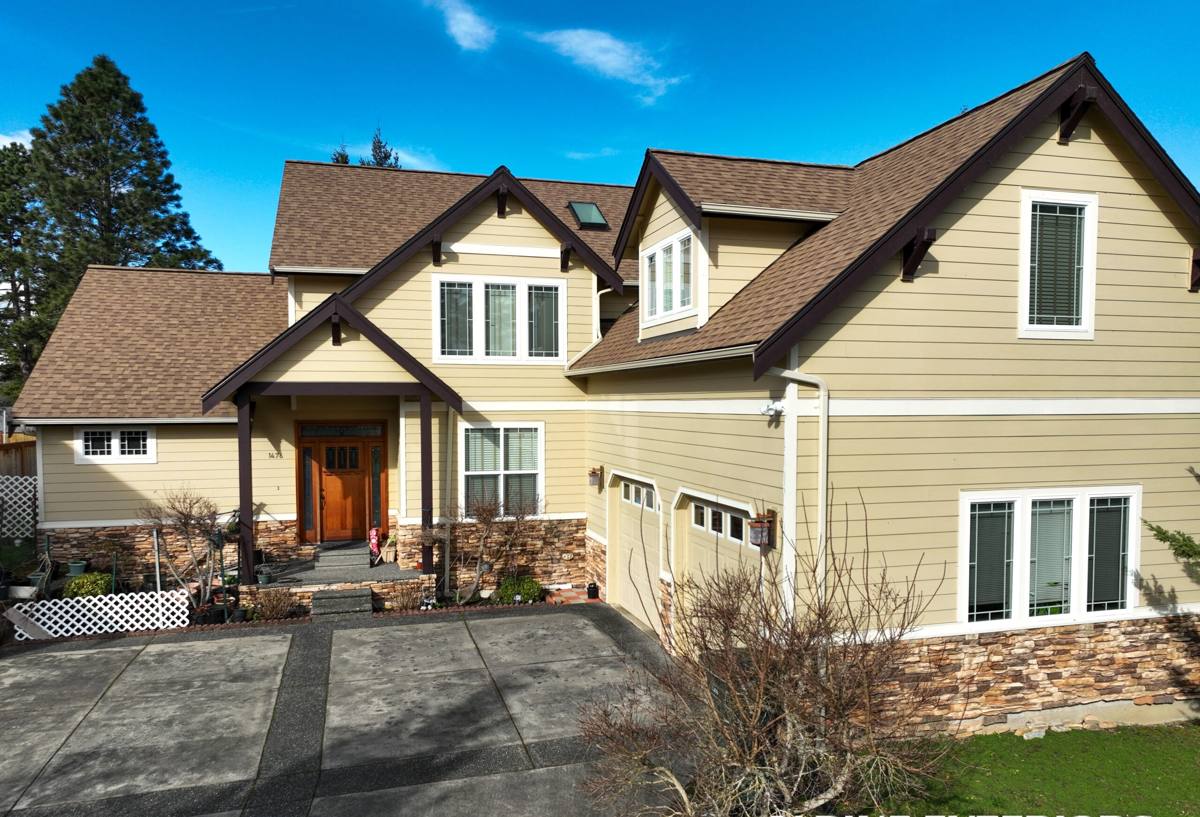
What "Custom" Actually Means
The word gets used loosely in this trade, so here's what it means when we use it:
- Non-standard openings: bay, bow, arched, oversized, or odd-shaped windows that don't come off a shelf in a stock size.
- Replacement work in additions or renovated rooms where the rough opening doesn't match any current stock unit.
- Matching window lines across a whole house so sightlines, grid patterns, and hardware stay consistent room to room.
- New construction or major remodels where you're choosing frame material, glass package, and configuration from scratch instead of replacing like-for-like.
None of that requires exotic materials. It requires accurate measurement, correct load calculations, and a manufacturer willing to build to those numbers — which rules out a chunk of the "instant quote" catalog programs that only handle stock sizes.
What Wesley Chapel's Climate Actually Does to Windows
Wind and Storm Pressure
Wesley Chapel isn't in Florida's High-Velocity Hurricane Zone — that designation applies to Miami-Dade and Broward County — but it sits squarely inside the Florida Building Code's wind-borne debris region, and every hurricane season brings a real chance of hurricane-force gusts. Windows here need a documented design pressure rating and, in most cases, either impact-rated glass or an approved shutter system. That's not a cosmetic requirement; a window that fails under wind load takes pressure and water straight into the rest of the building envelope.
Year-Round UV and Heat
Central Florida sun is intense nearly year-round, not just in summer. Cheap glass and low-grade vinyl frames chalk, yellow, and go soft on the sunniest exposures years before they should. Low-E coatings and the right frame material aren't optional upgrades in this climate — they're what keeps a window performing the same on a west-facing wall as it does on the shaded side of the house.
Wind-Driven Rain and Humidity
Afternoon storms in this part of the state don't fall straight down; wind pushes rain sideways into every seam, nailing flange, and sill. Combine that with the humidity that sits over this region most of the year, and any gap in flashing or sealant becomes a slow leak into the wall cavity long before it ever shows up as a stain inside the house.
Choosing the Right Frame and Glass
Frame Materials
The frame does most of the long-term work. Vinyl is the most common choice in this market because it doesn't corrode and handles moisture well, but quality varies a lot between manufacturers — thin, poorly reinforced vinyl will bow and warp under sustained Florida heat. Aluminum holds tight tolerances on large or custom openings and is genuinely strong, but it conducts heat, so it needs a thermal break to perform here rather than just look good on the spec sheet. Fiberglass costs more up front but moves very little with temperature swings, which matters on large custom units and darker frame colors that absorb more heat.
Glass Packages
Impact-rated glass — laminated glass set in a reinforced frame — meets Florida's wind-borne debris requirements without shutters, stays in place if it's struck, and adds a meaningful buffer against UV and outside noise. Non-impact glass paired with code-approved shutters costs less up front but adds an ongoing maintenance and readiness burden: someone has to actually deploy the shutters correctly before every storm. Both approaches can be fully code-compliant. The right choice depends on the house, the budget, and how much you want your hurricane prep depending on shutters going up under time pressure. Argon-filled double-pane glass and Low-E coatings apply to either option and are worth asking about regardless of which glazing route you choose.
| Frame Material | Heat & UV Behavior | Moisture/Humidity Resistance | Best Fit |
|---|---|---|---|
| Vinyl (quality-grade) | Good; cheaper profiles can soften over time | Excellent, won't corrode | Most standard and custom replacements |
| Aluminum (thermally broken) | Fair; needs the thermal break to perform | Excellent | Large custom openings, higher wind loads |
| Fiberglass | Excellent, minimal expansion/contraction | Excellent | Oversized units, darker frame colors |
What Drives the Cost of a Custom Window Project
We won't quote a number without seeing the openings, but here's what actually moves the price on a custom job, in rough order of impact:
| Factor | Why It Matters | Typical Cost Impact |
|---|---|---|
| Opening size and shape | Non-standard shapes (bay, bow, arched) require custom manufacturing, not stock units | High |
| Glass package | Impact-rated laminated glass costs more than non-impact glass paired with shutters | Moderate to High |
| Frame material | Fiberglass and thermally broken aluminum run higher than standard vinyl | Moderate |
| Structural changes | Enlarging or reshaping a rough opening involves framing, not just window swap-out | High |
| Number of openings and access | Second-story or hard-access windows add labor time | Low to Moderate |
Codes, Permits, and Wind Zones
Most of Wesley Chapel sits in Pasco County, with parts near the southern edge close enough to the Hillsborough County line that jurisdiction depends on the exact address. That determines which county building department pulls and inspects the permit — and it's the kind of detail that trips up crews who don't work this area regularly. Every custom installation still has to meet the same baseline requirements no matter which county is involved: current Florida Building Code wind load and impact criteria for the site's mapped design wind speed, correct egress sizing on any window serving as a required bedroom exit, and the state energy code's limits on U-factor and solar heat gain coefficient for our climate zone.
A legitimate contractor pulls the permit, schedules the required inspection, and hands over the product approval documentation for the specific windows installed. That paperwork is what protects you at resale and with your insurance carrier — not just on install day. If your neighborhood has an HOA with architectural review, which many Wesley Chapel communities do, we can help confirm what documentation the association will want to see before work starts, since that review is separate from the county permit.
How We Handle a Custom Window Job
A checklist we hold ourselves to on every custom job in this area:
- On-site measurement of every opening — not a phone or photo estimate, since custom work only holds up off real numbers.
- Written product approval and design pressure rating for the specific windows going in, matched to your address's wind zone.
- Permit pulled through the correct county before any existing window comes out.
- Proper flashing and sealant detail at the rough opening, not just caulk around the trim afterward.
- Old units removed and disposed of, with the opening inspected for hidden rot or moisture damage before the new unit goes in.
- Final inspection scheduled and passed, with documentation handed over for your records.
We walk every item above with the homeowner before anything is signed, because the flashing and sealant detail is what determines whether a window leaks in five years — and it's also the part that becomes invisible once trim goes back on.
Mistakes That Cost Homeowners Later
The problems we get called out to fix usually aren't bad windows — they're bad installs of decent windows. Foam-and-caulk used as the only water management instead of proper flashing. Openings that were never checked for rot before a new unit went in, so a leak just continues behind a fresh frame. Impact ratings assumed rather than documented, which becomes a real problem at insurance renewal or resale when someone actually asks for the paperwork and there isn't any. None of this shows up on install day. It shows up during the next big storm, or the next time someone tries to sell the house.
Why Local Experience in Wesley Chapel Matters
A crew that already works this area knows which county permitting office handles your specific address, what local inspectors are actually checking for, and what the typical construction in this part of the county looks like — which matters when you're sizing custom openings, matching sightlines across a whole house, or figuring out what's really behind an existing frame. That familiarity shortens the permit and inspection process and cuts out the guesswork that comes with a crew learning an unfamiliar jurisdiction on your project.
If you're weighing custom window options for a Wesley Chapel home, we'll come measure the openings, walk you through frame and glass choices that make sense for your exposure and budget, and give you a straight, no-pressure estimate below — no obligation to move forward.