 Tampa Window
 Why Energy-Efficient Windows Matter More in Valrico
Valrico sits inland from Tampa Bay, but that doesn't spare it from the same climate load the rest of Hillsborough County deals with: long stretches of high heat and humidity, intense UV exposure nearly year-round, sudden heavy downpours, and the occasional run-in with tropical storm or hurricane winds. Windows are one of the biggest thermal weak points in a house, and in a climate like ours they're working overtime almost every day of the year. An older or poorly sealed window doesn't just let in a draft in the winter — it lets in radiant heat all summer long, which shows up directly on your cooling bill.
When we talk about "energy-efficient windows" for a Valrico home, we're not talking about a single upgrade. It's a combination of glass technology, frame material, installation quality, and how well the window is sealed into the rough opening. Get any one of those wrong and you lose most of the benefit, even with a good window.
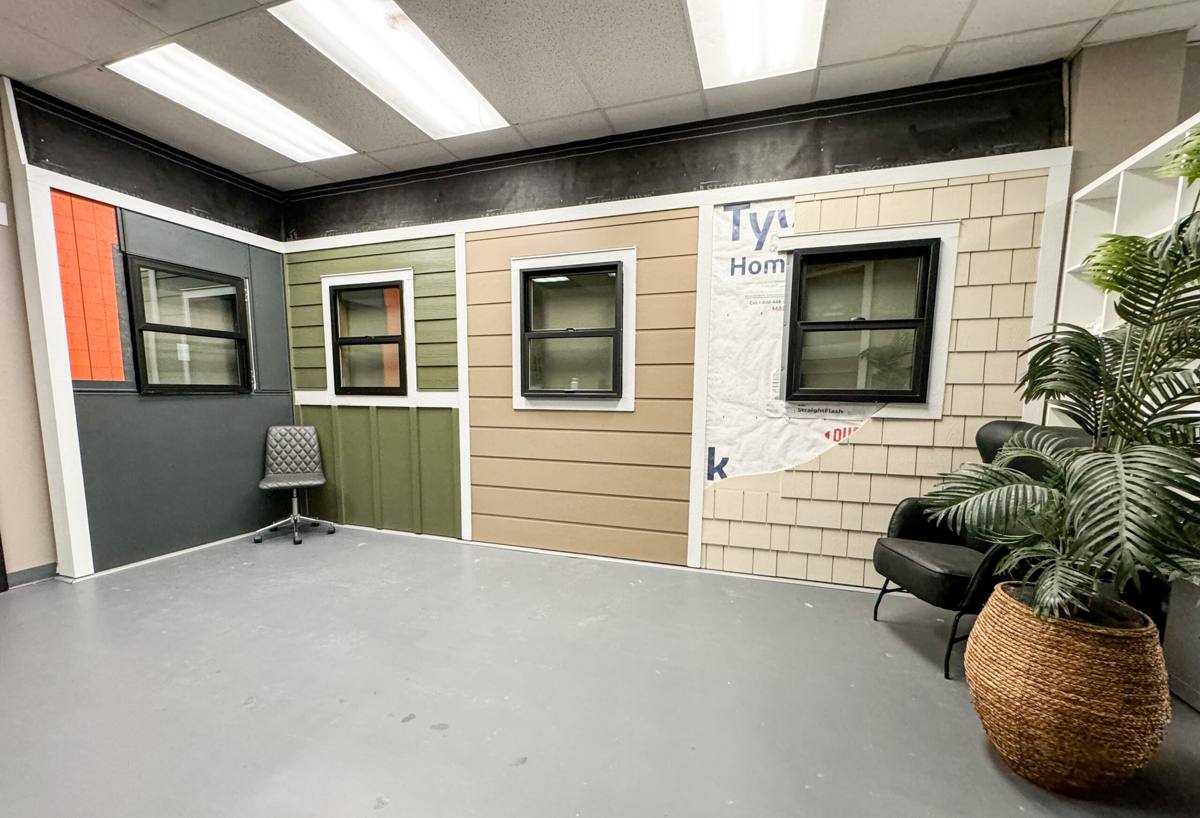
What Local Homes Are Actually Fighting
Before talking about products, it helps to be specific about what a window in this area has to hold up against, because it shapes every decision that follows:
- Solar heat gain: Florida's sun angle and long daylight hours mean west- and south-facing windows take a heavy, near-constant heat load for most of the year.
- UV exposure: Unprotected glass and low-quality vinyl or seals break down faster here than in milder climates — UV degrades sealants, frame color, and interior furnishings alike.
- Wind-driven rain: Tampa Bay area storms often come in sideways. A window that's watertight in a calm rain can still leak under wind pressure if flashing and sealant weren't done correctly.
- Storm and gust loads: Hillsborough County building code sets wind-resistance requirements for replacement windows based on local wind speed maps, and inspectors check for it.
- Humidity and moisture cycling: Constant humidity swings stress seals and can lead to fogged double-pane units if the glass unit wasn't manufactured or installed well.
Any legitimate energy-efficiency job in Valrico has to account for all five of these at once — not just the "keep the cool air in" part.
What "Energy-Efficient" Actually Means on a Window Label
Low-E Glass and Insulated Glass Units
Most modern energy-efficient windows use insulated glass units (two or three panes with a sealed gas-filled gap) with a Low-E (low-emissivity) coating. The coating is a microscopically thin metallic layer that reflects infrared heat while still letting visible light through. In a hot climate, the goal is a Low-E coating tuned to block solar heat gain rather than one optimized for cold-climate heat retention — using the wrong Low-E package is a common mistake that leaves a homeowner wondering why a "good" window still runs hot.
The Numbers That Actually Matter
Every legitimate window carries an NFRC (National Fenestration Rating Council) label with a few key numbers. For Florida homes, the two to pay attention to first are:
- SHGC (Solar Heat Gain Coefficient): Lower is better here — it tells you how much solar heat passes through the glass. This matters more than almost anything else in our climate.
- U-Factor: Measures how well the window resists heat transfer overall. Lower is still better, though it matters less here than in cold climates.
A window can advertise "energy efficient" on the box and still be a poor fit for a west-facing Florida wall if the SHGC number is high. We size glass packages to orientation, not just to a generic "energy star" sticker.
Frame Materials: What We Recommend and Why
Frame material affects durability, maintenance, and how well the frame itself insulates. Here's how the common options stack up for a Valrico installation:
| Frame Material | Heat/UV Performance | Maintenance | Our Take |
|---|---|---|---|
| Vinyl | Good insulator; quality UV-stable vinyl holds up well | Low — no painting, won't rust or corrode | Our standard recommendation for most Valrico homes; best value for performance |
| Fiberglass | Excellent — very stable through heat cycling, low expansion/contraction | Low | Strong option for larger openings or homeowners who want extra rigidity; higher cost |
| Aluminum | Weaker insulator (conducts heat) unless thermally broken | Low, but can pit or corrode near salt air over time | We only use it where a low-profile sightline is required, and always thermally broken |
| Wood/wood-clad | Good insulator | High — regular sealing and upkeep needed in humid climates | We don't push wood frames for this climate; the maintenance burden and moisture sensitivity aren't a good trade for most homeowners here |
We're upfront when a material isn't a good match for a given home — for example, bare (non-thermally-broken) aluminum on a heavily sun-exposed wall, or a wood frame close to standing moisture. That's a professional judgment call, not a knock on any manufacturer.
What a Correct Installation Actually Involves
The window unit itself is maybe half the job. The other half is how it goes into the wall, and this is where a lot of energy loss and water intrusion problems actually start. A correct installation follows a specific sequence:
- Remove the old window and inspect the rough opening, sill, and framing for rot, prior water damage, or out-of-square conditions.
- Repair or shim the opening as needed before the new unit ever goes in — skipping this step is how leaks happen later.
- Install flashing and a sill pan so any water that gets past the exterior seal has somewhere to drain, not into the wall cavity.
- Set the window level, plumb, and square, then fasten per the manufacturer's and code-required schedule.
- Insulate the gap between the frame and the rough opening — usually low-expansion foam, not just fiberglass batting, to also cut air infiltration.
- Seal the exterior with the correct sealant for our climate, rated for UV exposure and movement.
- Finish interior and exterior trim, then test operation and check the seal.
Skip the sill pan or use the wrong sealant and you can end up with a window that looks fine and even tests fine on a calm day, but fails during a wind-driven rain event — which, in this part of Florida, is a matter of when, not if.
Our Process for a Valrico Window Job
We keep the process straightforward and try not to waste your time with upsells you don't need:
- On-site assessment: We look at each opening individually — orientation, current condition, drainage, and any framing issues — rather than quoting off a phone call alone.
- Straightforward estimate: You get a clear breakdown of what's being replaced, the glass and frame spec, and the price — no pressure to decide on the spot.
- Custom ordering: Replacement windows are built to your exact openings; we confirm measurements before the order is placed so there's no guessing.
- Installation day: Old units come out, openings are inspected and prepped, new units go in following the sequence above, and the site is cleaned up as we go.
- Final walkthrough: We check operation, locks, and seals with you before we consider the job done.
What Affects the Cost of an Energy-Efficient Window Job
Every home is different, so we don't quote sight unseen — but these are the main factors that move the price up or down:
| Cost Factor | Why It Matters |
|---|---|
| Number and size of openings | More glass and larger units mean more material and labor per window |
| Frame material chosen | Vinyl is typically the most budget-friendly; fiberglass and impact-rated units cost more |
| Impact vs. non-impact glass | Laminated impact glass costs more than standard insulated glass but can reduce or eliminate the need for separate shutters |
| Condition of the existing opening | Rot, prior water damage, or out-of-square framing adds repair time before the new window can go in |
| Access and site conditions | Second-story windows, tight landscaping, or limited access can add labor time |
We give homeowners honest ranges based on what's actually in front of us, not a generic per-window number that doesn't hold up once we're on site.
Why a Crew That Already Works in Valrico Makes a Difference
A window installer who works regularly in Hillsborough County knows the local permitting process, what the county's inspectors are actually checking for on wind-load and product approval documentation, and which install details tend to cause callbacks in our specific climate versus a milder one. That's not something you pick up from a single job in the area — it comes from doing this work here repeatedly, season after season, through actual Florida heat and actual Florida storms.
It also means we're not guessing about which glass packages perform well on west-facing Florida exposures, or which sealant products hold up to our UV levels instead of chalking and cracking within a couple of years. A crew that treats every market the same way tends to make the same mistakes over and over; a crew rooted in this area corrects for them from the start.
Signs Your Current Windows Are Working Against You
You don't need a technical inspection to spot most of these:
- Rooms near west- or south-facing windows feel noticeably hotter than the rest of the house.
- You can feel air movement at the frame or sash when it's windy outside.
- Condensation or fogging appears between the panes of a double-pane window — a sign the seal has failed.
- Frames are warped, discolored, or chalky from UV exposure.
- You hear more outside noise than you'd expect for the distance from the road.
- Cooling costs have crept up without any other clear cause.
Any one of these is worth a look. Several at once usually means it's time to talk about replacement rather than repair.
If you're weighing your options for windows in Valrico, we're happy to take a look and give you a straight answer about what your home actually needs — no pressure, no inflated scare tactics. Use the form below to request a free estimate and we'll go from there.