 Tampa Window
 Why Town 'n' Country Homes Need Siding Built for This Climate
Town 'n' Country sits in one of the more demanding exterior-durability zones in the country. Homes here deal with hurricane-force winds during storm season, wind-driven rain that gets pushed sideways into wall assemblies, months of intense UV exposure that most siding materials were never engineered to survive, and salt-laden air drifting in from Tampa Bay that accelerates corrosion and finish breakdown on anything not built for it. Add Hillsborough County's humidity, which barely lets up even in the cooler months, and you have a climate that exposes every weakness in a siding product within a few years instead of a few decades.
A lot of the housing stock in this part of Hillsborough County spans several decades — older ranch-style homes from the postwar boom years alongside newer construction — and the siding on many of them was never matched to what Florida actually does to a building envelope. That mismatch shows up as warped panels, swollen seams, chalky or peeling paint, and soft spots around windows and corners. Choosing the right siding material for a Town 'n' Country home isn't a cosmetic decision; it's a structural and financial one.
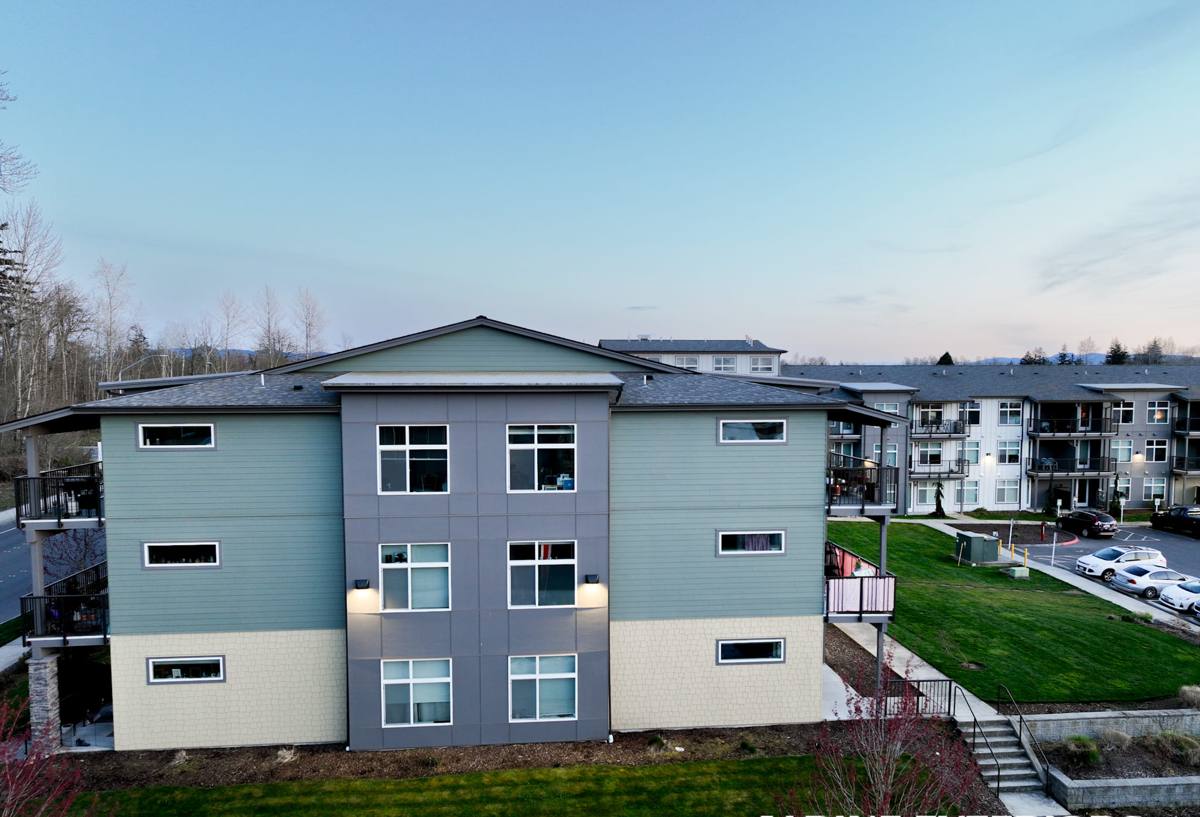
What James Hardie Siding Delivers That Other Materials Can't
We install James Hardie fiber cement siding exclusively. That's not a marketing preference — it's a standard we settled on after weighing how different siding materials actually perform in this climate over time, not just how they look on installation day.
Fiber Cement vs. the Alternatives
Vinyl siding softens, warps, and can pull away from fasteners in high heat, and it has no real defense against wind-driven debris in a tropical storm. Engineered wood products like LP SmartSide depend on an intact factory coating to keep moisture out; once that coating is compromised at a cut edge or fastener point, the wood-strand core is vulnerable to swelling and rot in a humid climate like this one. Primed wood and cedar require an ongoing paint and caulk maintenance schedule that most homeowners underestimate, and cedar in particular is combustible — a real consideration in a state where wildfire risk exists alongside hurricane risk.
James Hardie fiber cement is made from cement, sand, and cellulose fibers. It doesn't have an organic core to rot, it's non-combustible, and it holds up to sustained UV exposure without the chalking and fading that plagues other materials. It's also heavy and rigid enough to resist the kind of wind-driven impact damage that Gulf Coast storms produce.
The HZ5 Product Line: Engineered for Climates Like This
James Hardie builds region-specific formulations rather than a single one-size-fits-all product, and Florida falls into their HZ5 climate zone — engineered specifically to resist the combination of high humidity and wind-driven rain that defines the Gulf Coast. That matters more than it sounds. A siding product engineered for a dry Southwest climate handles moisture differently than one engineered for coastal Florida, and installing the wrong formulation in the wrong region can shorten its service life even if the installation itself is done correctly.
On top of the HZ5 substrate, ColorPlus Technology bakes the finish onto the board in a factory-controlled process rather than relying on a job-site paint job. That finish is formulated to resist UV fading and holds color far longer than field-applied paint, which is a meaningful advantage under Florida's sun. It also comes backed by a manufacturer finish warranty separate from the substrate warranty — both of which are transferable if you sell the home.
What a Correct Hardie Installation Actually Involves
Fiber cement siding is only as good as the installation behind it. James Hardie publishes detailed installation specifications, and skipping them is the single most common reason a Hardie job underperforms — not the product itself.
The Details That Matter Most in This Climate
- Proper clearance between the bottom of the siding and grade, roofing, decks, and patios to prevent wicking moisture
- Correct fastener type, spacing, and penetration depth — under- or over-driven nails compromise wind resistance
- A code-compliant water-resistive barrier and flashing detail behind the siding, not just at the surface
- Properly sized gaps at butt joints and trim to allow for expansion without caulking every seam solid
- Corners, window and door trim, and penetrations sealed with compatible sealants, not generic caulk
- Field-cut edges primed and sealed before installation to protect against moisture intrusion at cuts
Every one of these details is inspectable, and every one of them affects how the siding performs the first time a named storm pushes rain horizontally into a wall. A crew that treats these as optional steps rather than requirements is the biggest risk to a Hardie installation — bigger than the product choice itself.
Our Process, Start to Finish
Inspection and Assessment
We start with a walk-around of the home to check the condition of the existing siding, sheathing, and trim, looking for hidden moisture damage that isn't visible from the street. This tells us whether we're dealing with a straightforward re-side or whether there's sheathing or framing repair needed underneath.
Product and Color Selection
We walk you through the relevant Hardie profiles — lap siding, panel siding, trim, and soffit — and the ColorPlus palette, so you're choosing based on what fits the home's style and HOA or neighborhood expectations, not just what's in stock.
Removal and Prep
Old siding comes off, the sheathing gets inspected and repaired where needed, and a compliant water-resistive barrier goes on before a single piece of Hardie touches the wall.
Installation to Manufacturer Spec
Installation follows James Hardie's published fastening, clearance, and flashing requirements for the HZ5 zone — not a generalized approach borrowed from other siding materials.
Final Walkthrough
We go through the finished job with you, checking seams, trim lines, and caulking before calling it complete.
What Affects the Cost of a Hardie Siding Project
Every home is different, and we're not going to throw out a number that doesn't reflect your actual house. But these are the factors that most influence what a Town 'n' Country homeowner ends up paying:
| Cost Factor | Why It Matters |
|---|---|
| Home size and wall complexity | More square footage, gables, and dormers mean more material and labor time |
| Current siding removal | Multiple layers of old siding or extensive rot repair adds time before installation even starts |
| Siding profile chosen | Lap siding, shingle-style panels, and vertical panel siding carry different material and labor costs |
| Trim and accessory work | Window trim, corner boards, and fascia detail add finish quality but also add labor |
| Sheathing or framing repair | Hidden moisture damage found during tear-off can require carpentry work before re-siding |
| Color and finish selection | Factory ColorPlus finishes and premium colors carry different pricing than primed-for-paint options |
The only way to get an accurate number is a real inspection of your specific home — anyone quoting a firm price sight unseen is guessing.
Signs a Town 'n' Country Home Needs Siding Attention
Florida's climate accelerates siding problems, so catching issues early usually means a repair instead of a full replacement. Watch for:
- Visible warping, buckling, or gaps between siding panels
- Paint that's chalking, peeling, or fading unevenly across the wall
- Soft or spongy spots when you press on the siding, especially near the bottom edge
- Rising utility bills that suggest the wall assembly is no longer insulating properly
- Visible mold, mildew, or dark staining that keeps returning after cleaning
- Siding that shows storm damage — cracked panels, lifted edges, or missing sections after high wind
Why It Matters That We Already Work in Town 'n' Country
A crew that regularly works this community knows what the housing stock looks like, what typical framing and sheathing conditions to expect on homes of different ages, and what wind and moisture exposure actually does to a wall assembly here versus a drier inland market. That local familiarity shows up in faster, more accurate inspections and fewer surprises once a job is underway. It also means we're not guessing at code and permitting expectations that apply to Hillsborough County work — we handle that as a normal part of the job.
Because we install only James Hardie products, our crews aren't splitting their attention across five different manufacturers' installation specs. Every job follows the same HZ5-appropriate standard, which is part of how we keep quality consistent from house to house.
A Straightforward Path Forward
If your siding is showing its age, took a beating in a recent storm, or you're simply planning ahead before it becomes a bigger problem, we're happy to take a look and give you an honest read on what your home actually needs. Reach out for a free, no-pressure estimate using the form below.