 Tampa Window
 Deck Repair Built for Town 'n' Country's Climate
Town 'n' Country sits close enough to Tampa Bay that salt-laden air, heavy summer humidity, and wind-driven rain are a daily fact of life for anything built outdoors. A deck out here isn't just furniture for your backyard — it's a structure that takes a beating from intense year-round UV, sudden downpours, and the occasional hurricane-force wind event. We repair decks in this neighborhood regularly, and the failure patterns we see are consistent enough that we can usually tell what's wrong before we even pull out a screwdriver.
This page covers deck repair specifically — not full rebuilds, not new construction. If your deck is structurally sound but showing its age, or if a specific area has failed, this is the service that gets it back to safe and solid without paying for a whole new structure.
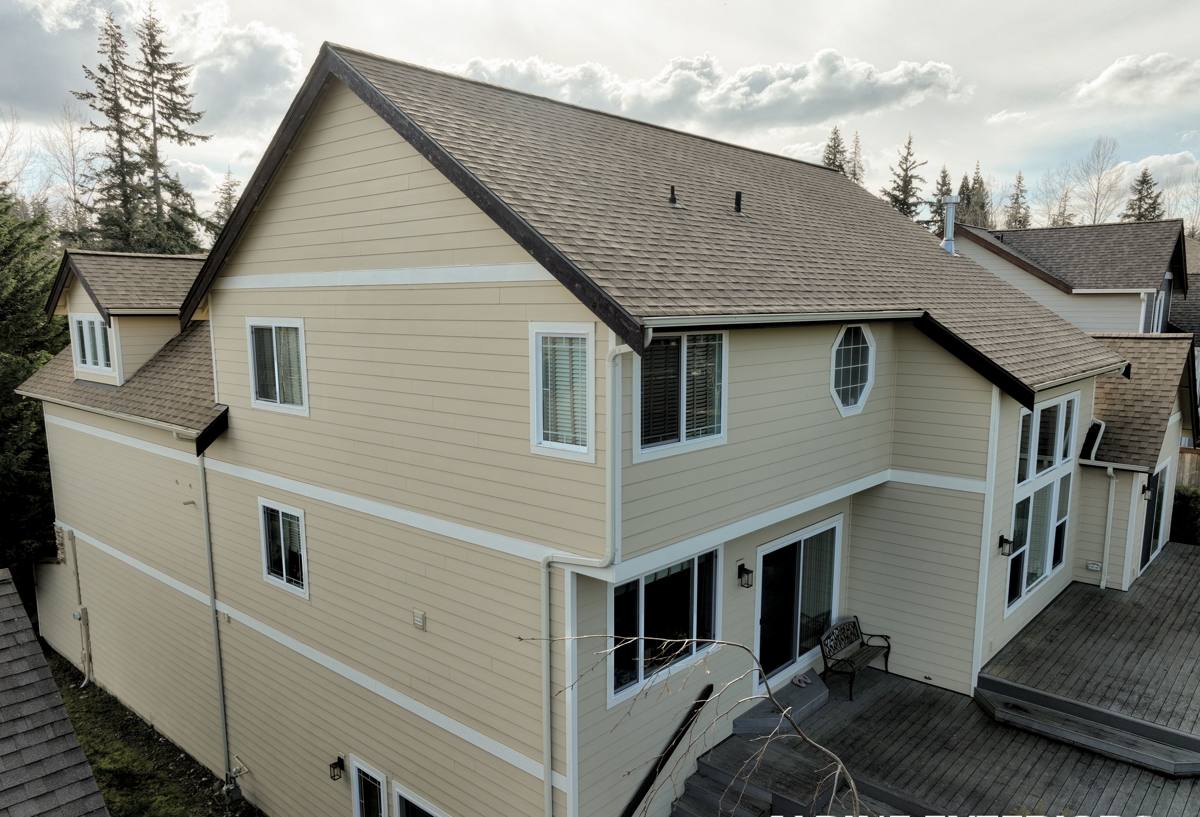
Why Decks in This Area Fail Faster Than the National Average
Sun and Heat
Tampa gets some of the most consistent, intense UV exposure in the country. On wood decks, that UV breaks down the lignin in the surface fibers, which is why untreated or under-maintained boards go gray and start to splinter within a couple of years. On composite decking, UV exposure combined with heat cycling can cause fading and, on older or lower-grade products, surface degradation at board edges.
Wind-Driven Rain and Humidity
Hillsborough County doesn't get a dry season the way northern climates do — it gets a wet season and a "less wet" season. Rain here often comes in sideways during storms, driving moisture into joints, fastener holes, and ledger connections that were never designed to shed water from that angle. Combined with our humidity, wood that doesn't dry out fully between rain events stays damp at the connections, which is exactly where rot starts.
Salt Air
Even well inland from the coast, Tampa Bay's proximity means salt content in the air is higher than most of the country. Salt accelerates corrosion on any exposed metal — nails, screws, joist hangers, bolts — long before the wood around them shows obvious damage. A deck can look fine on the surface while its fasteners are quietly failing underneath.
Hurricane-Force Wind Events
Every deck in this area needs to be built and repaired with wind uplift in mind. Loose railings, under-secured ledger boards, and improperly fastened joists are liabilities during a named storm, not just cosmetic issues.
What a Correct Deck Repair Actually Involves
A lot of deck "repairs" we get called out to fix are patch jobs — a board swapped here, a screw added there — that don't address the underlying cause. Here's what we check on every repair visit, regardless of what the homeowner initially called about:
- Ledger board attachment to the house — this is the single most important structural connection on most decks, and the most common place we find hidden rot
- Joist hangers and fasteners for corrosion, especially on decks more than 8-10 years old
- Support posts and footings for movement, cracking, or wood-to-ground contact that's inviting moisture and pests
- Deck boards for soft spots, cupping, or fastener pop, which usually points to moisture trapped underneath
- Railings and stair stringers for looseness — a common code and safety issue
- Flashing at the house connection, which is often missing or failed on older installs and is a major source of hidden water intrusion
Skipping any of these means you're addressing the symptom, not the problem. A board replacement over a rotted, unflashed ledger connection just buys you a year or two before the same failure shows up again.
Common Repairs We Handle
Board Replacement
Individual boards that have cupped, split, or gone soft get swapped out. We match species and, where possible, weathering so the repair doesn't stand out like a patch.
Structural Fastener and Hardware Upgrades
Old decks are frequently held together with hardware that predates current corrosion-resistance standards, especially in coastal-influenced air. We upgrade to hot-dip galvanized or stainless hardware rated for this environment.
Ledger Board and Flashing Repair
When we find rot or missing flashing at the house connection, this gets prioritized — it's the repair most likely to prevent a future structural failure, and it's also the one most often ignored by quick patch jobs.
Railing and Stair Stabilization
Loose railings are both a liability and, in many cases, a code compliance issue. We re-anchor, replace failed balusters, and confirm spacing and height meet current requirements where the repair scope touches those elements.
Post and Footing Correction
Posts that have shifted, settled, or rotted at the base get sistered, replaced, or re-set on proper footings, depending on severity.
Wood vs. Composite: What We Tell Homeowners Honestly
Both materials show up on decks throughout Town 'n' Country, and both can perform well here if maintained correctly. Here's the honest trade-off breakdown we give every homeowner, without steering anyone toward a sale:
| Factor | Wood (Pressure-Treated / Hardwood) | Composite |
|---|---|---|
| UV resistance | Grays and weathers without sealing; needs re-sealing every 1-2 years in our climate | Fades slowly over years; capped composites resist this better than uncapped |
| Moisture behavior | Can absorb and release water repeatedly; rot risk if not sealed or ventilated | Doesn't rot, but poor drainage underneath can still trap moisture against the structure |
| Repair cost per board | Generally lower material cost, easier to source a matching replacement piece | Can cost more per board; matching color/texture to an older run is sometimes difficult |
| Maintenance burden | Higher — sealing, staining, periodic inspection | Lower — occasional cleaning, no sealing needed |
| Structural framing | Almost always pressure-treated lumber regardless of decking material above | Same — composite deck boards still sit on a wood or steel frame |
Note that the framing underneath a composite deck is still typically wood, which means the failure points we described above — ledger boards, joist hangers, fasteners — apply just as much to composite decks as to all-wood ones. Composite decking doesn't make the structure underneath maintenance-free.
How Our Repair Process Works
- On-site inspection. We walk the full deck, not just the area you flagged, checking ledger, framing, fasteners, and surface boards.
- Written scope and estimate. You get a clear list of what's failing, what's marginal, and what's fine — with cost broken out so you can decide what to prioritize if budget is a factor.
- Repair. We do the work in the sequence that matters structurally first — connections and framing before cosmetic board replacement.
- Hardware and fastener check. Every repair includes an upgrade of any corroded hardware in the repair area to corrosion-resistant fasteners suited to our salt-air conditions.
- Final walkthrough. We show you what was done and flag anything we think you should keep an eye on going forward.
Cost Factors for Deck Repair in This Area
Every deck is different, so we don't quote blind over the phone, but these are the factors that move the price up or down:
| Factor | Why It Matters |
|---|---|
| Extent of ledger/framing rot | Structural repairs cost more than surface board swaps and take priority |
| Deck material | Composite material and matching costs can run higher than treated lumber |
| Access | Decks with limited underside access take longer to inspect and repair properly |
| Height and railing code requirements | Elevated decks with railing work may need to meet current code, adding scope |
| Extent of hardware corrosion | Older decks in salt-air-exposed areas often need more hardware replaced than expected |
We'd rather give you an honest range after seeing the deck than a number over the phone that doesn't hold up once we're underneath it.
Signs Your Town 'n' Country Deck Needs Repair Now
- Boards that flex, bounce, or feel soft underfoot
- Visible rust staining around fasteners or hardware
- Railings that move when pushed on
- Gaps, cracking, or separation where the deck meets the house
- Wood that's gone gray, splintery, or spongy to the touch
- Standing water or slow drying on the deck surface after rain
- Visible daylight or gaps around ledger board flashing
If you're seeing any two or more of these, it's worth having someone look underneath before the next big rain event or storm season test finds the weak point for you.
Why a Crew That Already Works Town 'n' Country Matters
Deck repair isn't a one-size-fits-all trade. A crew that works Hillsborough County regularly knows which fastener grades hold up against our salt air and which don't, knows what wind-rated railing connections actually need to look like, and has seen enough local ledger and framing failures to know where to look first instead of guessing. That local repetition is what keeps a repair from turning into a return visit a year later. We're not asking you to take that on faith — a straightforward inspection will show you exactly what shape your deck is in and what it would take to fix it right.
If your deck needs attention, we're happy to come take a look and give you a straight answer — no pressure, no upsell. Fill out the form below for a free estimate.